
Taylor Swift blocks Trump from using her music on TikTok
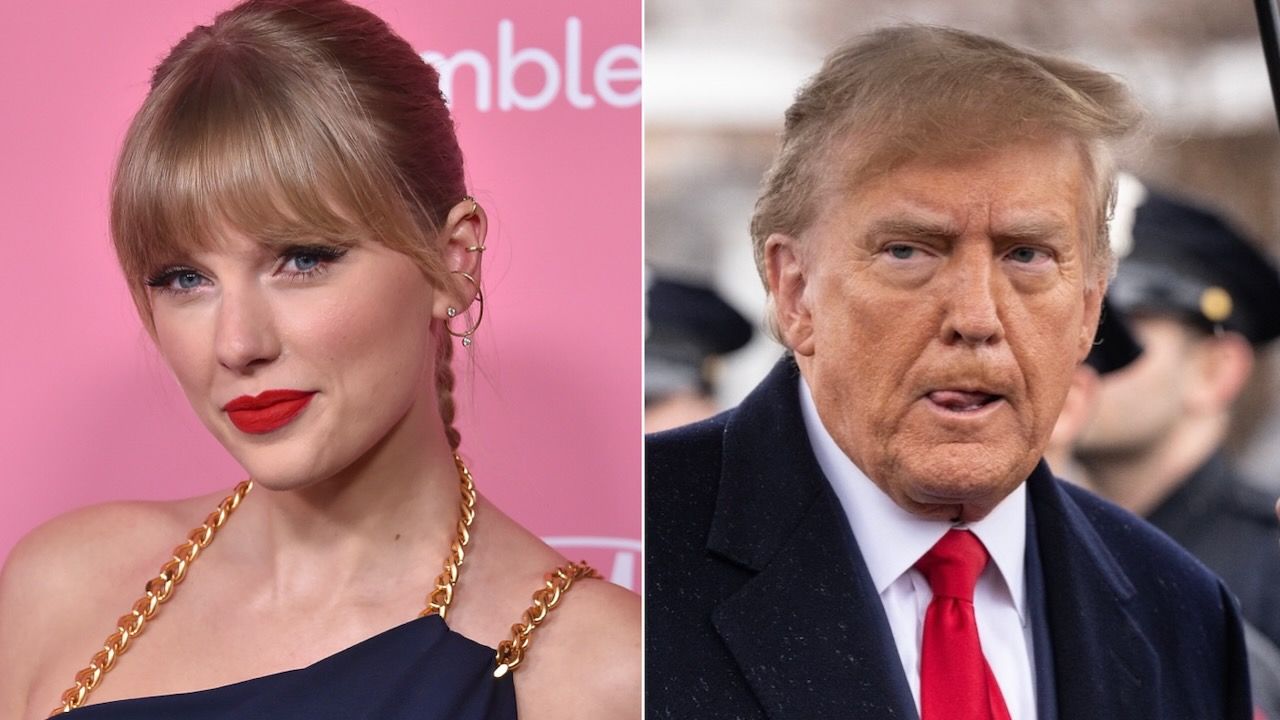
The Digital Divide: Taylor Swift Takes a Stand Against Political Appropriation on TikTok
In a move that has sparked significant online debate regarding intellectual property and political usage, singer Taylor Swift has taken direct action against the use of her music on the social media platform TikTok. The artist recently blocked Donald Trump from using her song “august” on a recent post featuring his “Team Trump” branding, opting to disable the audio entirely.
This confrontation is not an isolated incident but rather part of a broader pattern. Throughout the year, various TikTok accounts associated with Donald Trump, including the official account for the White House, have been seen utilizing Swift’s music in their content. This practice has drawn attention from Swift and her fanbase, who are increasingly vocal about the commercialization and appropriation of their work within the digital landscape.
The situation highlights the growing tension between mainstream pop culture, political figures, and the rapidly evolving rules governing digital media. For artists, platforms like TikTok offer unparalleled reach but also present complex challenges regarding copyright, consent, and the integrity of creative ownership.
Swift’s decision to intervene on this matter serves as a potent reminder that digital spaces are not merely passive mirrors but active arenas where creators and consumers fight for control over the content they engage with. By taking steps to control how her music is used, she is asserting the boundaries of her creative property in a space where viral trends often supersede formal licensing agreements.
The conflict extends beyond a single post; it touches upon the larger implications of how music is integrated into political messaging on global platforms. It forces a conversation about the responsibilities of public figures and the rights of artists when their work becomes interwoven with political narratives.
Buy on Amazon
Credit