
Why Chris Carter Cut the Kissing from I Want to Believe
The Art of the Edit: Unpacking Chris Carter’s X-Files Director’s Cut
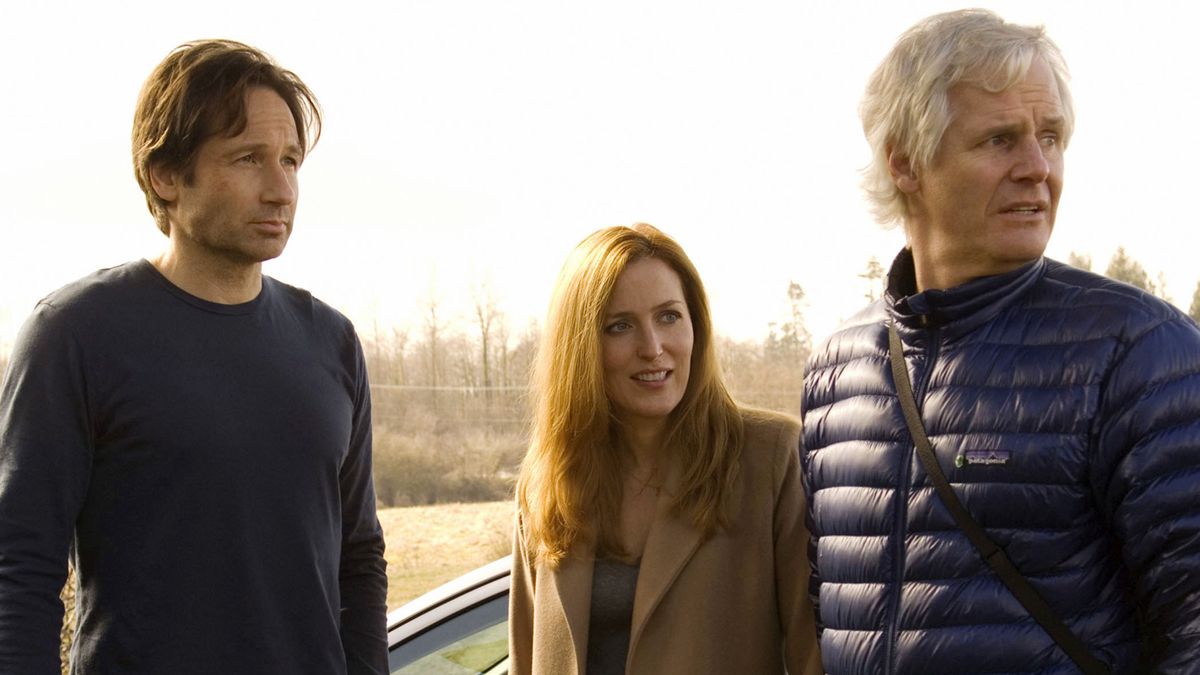
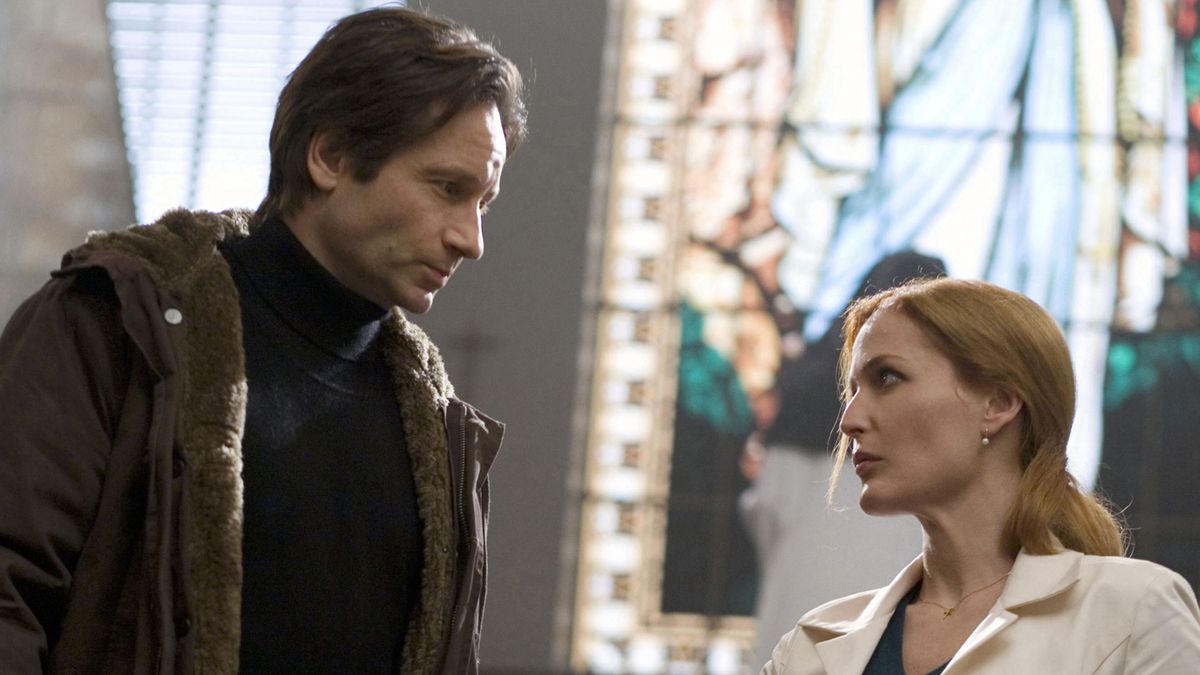
When iconic television franchises are adapted for the big screen, the result is often scrutinized for every detail. One such adaptation, The X-Files: I Want to Believe, has sparked conversations among fans and cinephiles alike regarding pacing and narrative focus. Recently, attention has turned to Chris Carter’s director’s cut of the film, which offers a unique perspective on the iconic series.
This version, presented with the subtitle Vrach Frankenshteyn, provides a streamlined experience for those looking to delve deeper into the narrative fabric of the story. However, what truly stands out is the difference in runtime compared to the original theatrical release from 2008.
The director’s cut is noticeably shorter, trimming seven to eight minutes from the original version that audiences saw in theaters. This deviation from standard practice for director’s cuts immediately sets it apart. It suggests a deliberate choice in how the story is told and paced, moving beyond simple assembly of existing footage.
When asked about this variation, TV veteran Chris Carter offered an insight into his filmmaking philosophy. He noted that such specific alterations are not typical of what he usually refers to as director’s cuts, offering a candid observation on the nature of creative editing.
Carter admitted that these specific edits fall outside the usual convention of making rough cuts available for review. Instead, he shared a humorous reflection on the process itself: “Director’s cuts are typically kitchen…” This comment highlights the often-unseen, highly nuanced work involved in shaping a cinematic narrative, emphasizing that even seemingly small changes carry significant weight.
Ultimately, this version serves as a fascinating reminder that the final product is just one interpretation among many. It invites viewers to appreciate the deliberate choices made during the editing process and how these decisions shape the final viewing experience of an enduring classic.
Buy on Amazon
Credit