Trump says Kennedy Center could be ripped down for recognition
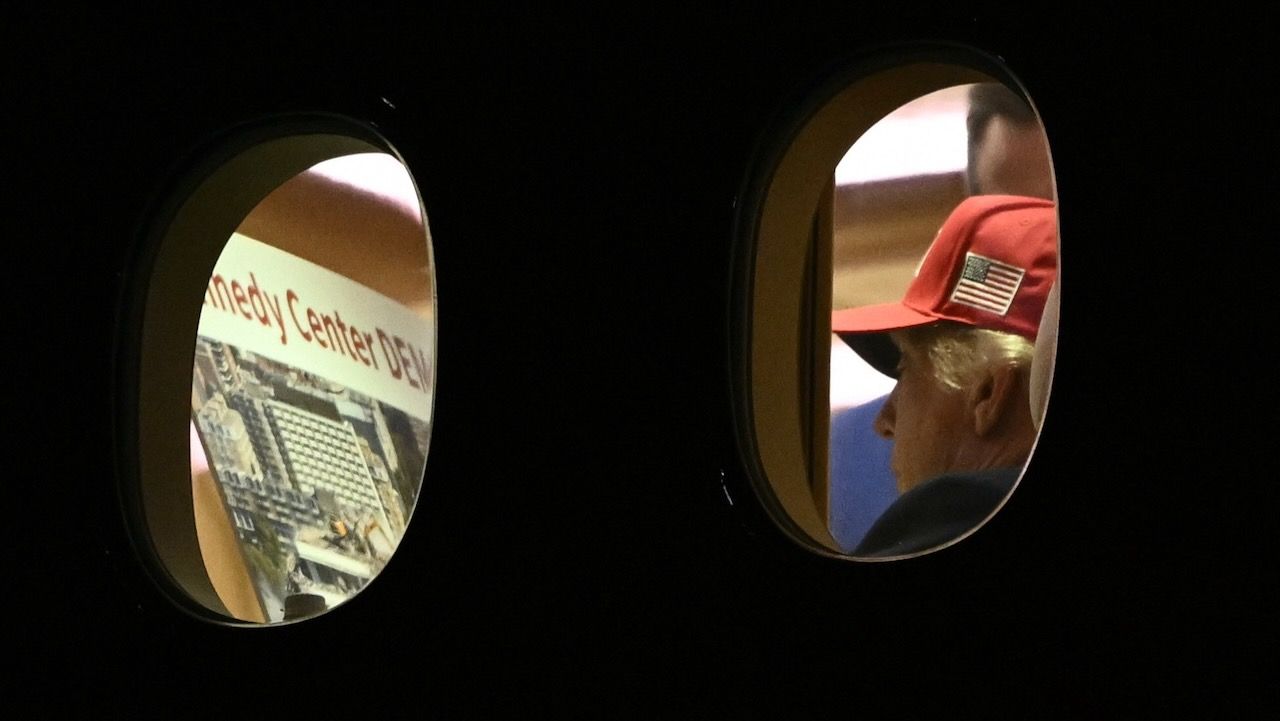
This week brought a fresh wave of controversy surrounding the fate of the Kennedy Center, pitting public safety and financial accountability against powerful political aspirations.
A federal judge recently intervened in a legal matter, rejecting an effort to formally add Donald Trump’s name to the building through the board he appointed. This legal setback immediately preceded a significant shift in action concerning the landmark itself.
Following this judicial decision, Trump moved to close the Kennedy Center. His rationale for this dramatic move rested on serious claims of safety concerns and persistent financial issues plaguing the institution.
The push to close was accompanied by a decisive halt to major planned improvements, specifically freezing a $257 million renovation program. The implications of halting such a large-scale project for a nationally recognized memorial are considerable.
The controversy highlights the complex intersection of private ownership, public trust, and the politics of monumental public spaces. Whether the claims of safety and finance ultimately prevail, the saga surrounding the Kennedy Center remains a compelling example of high-stakes institutional drama.
The reaction from the president to these developments remains the critical question hanging over the narrative as the story unfolds.
Buy on Amazon
Credit