Saddest Roast Action
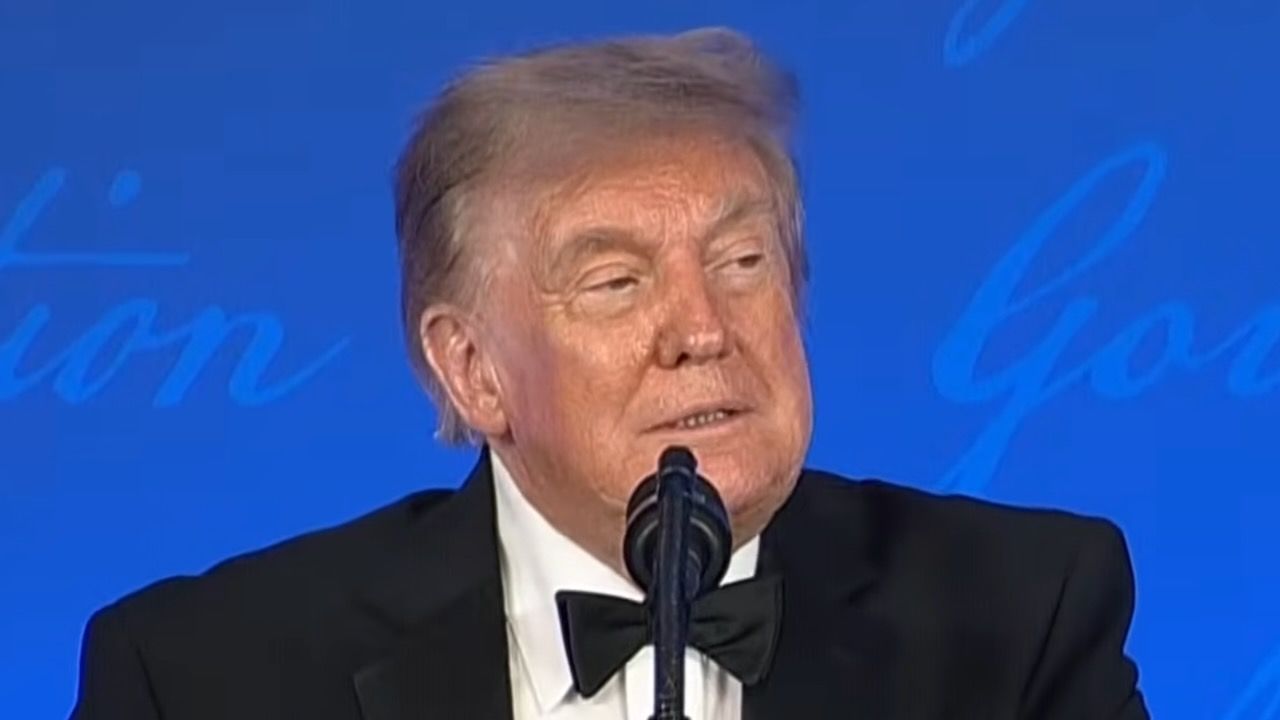
The Dinner That Changed Everything: Tracing the Roots of a Presidential Campaign
There is often a story behind the rise of a major political figure, a narrative woven from public perception and historical moments. For Donald Trump, one such narrative carries a particularly potent thread: the connection between his pursuit of the presidency and a pivotal evening in White House history—the 2011 White House Correspondents’ Dinner.
This event, many suggest, serves as an early, telling chapter in understanding the political dynamics that shaped his subsequent career. It wasn’t just another social gathering; it became a symbolic point of reference, highlighting the friction between public figures and the narratives they promote.
The backdrop to this historical connection involves the long-standing controversy surrounding the birther conspiracy theory. For years, Trump had been a prominent proponent of these claims, which placed him at the center of complex political debates regarding national identity and history.
It was during the 2011 dinner that the dynamic shifted dramatically. In an instance widely remembered for its sharp commentary, President Obama openly mocked Trump. This moment, steeped in public memory, is frequently cited as a turning point, marking a moment where the relationship between the political figure and the establishment became sharply defined.
The perceived slight, or perhaps the resulting reaction to that public mockery, is theorized by some observers to have influenced subsequent political decisions, setting an often-cited trajectory for Trump’s ambition toward the presidency. The dinner thus becomes more than just a memory; it is viewed as a foundational moment in understanding the forces that propelled his political journey.
Even more telling might be the pattern that followed. After that significant event, Trump opted not to attend subsequent Correspondents’ Dinners. This choice, among other actions, feeds into the larger, enduring story of how public interactions and political positioning can shape an individual’s path in the public eye. It illustrates how even seemingly small social engagements can carry disproportionate weight when viewed through a historical lens.
Buy on Amazon
Credit