Lollapalooza Flood Lessons


Festivals Are Concerts on Hard Mode
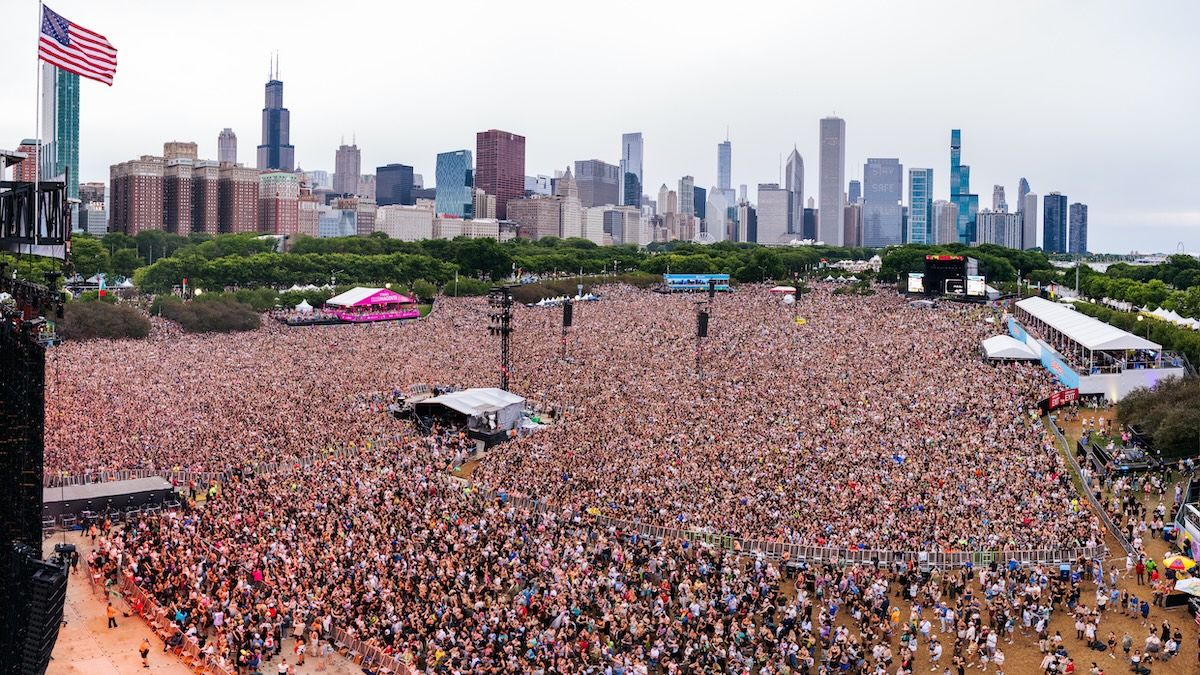
The shift from intimate venues to sprawling outdoor festivals fundamentally changes how we experience live music. It’s less a simple volume increase and more a complete recalibration of performance, acoustics, and audience attention. If you think of it as just putting a band on a bigger stage, you’re missing the fascinating psychological complexity of turning a coffee shop set into an arena spectacle.
In the confines of a dimly lit club or a cozy coffee shop, the relationship between the performer and the audience is often immediate and intense. Musicians thrive in spaces where attention is focused, where every note carries weight, and where the shared experience feels deeply personal. It’s a space built for intimacy—a place where you feel like an invited guest at a private gathering.
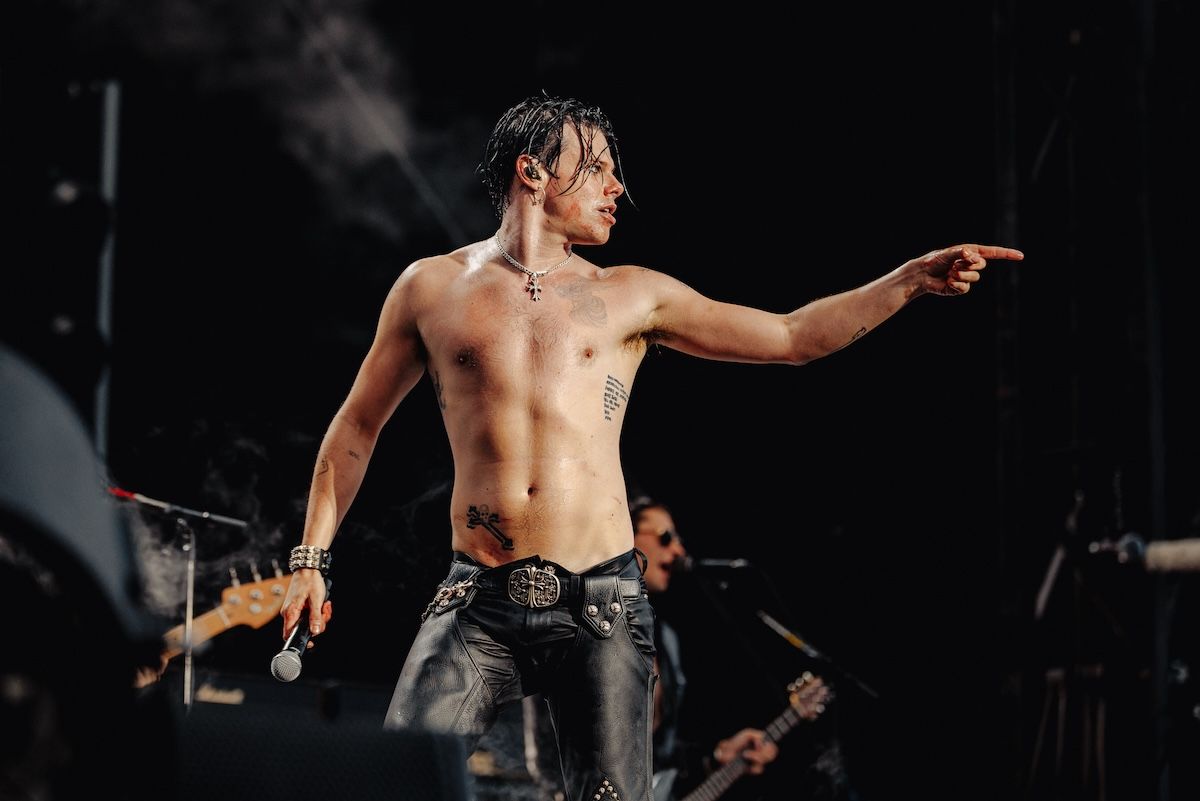
But step outside those walls and into the vast expanse of a music festival, and the rules change entirely. Here, performance becomes a negotiation with the environment. The acoustic challenges are immense; sound travels differently across open fields, bouncing off unseen surfaces, and battling ambient noise. Performers must fight not only for the attention of the crowd but also against the chaotic symphony of the outdoors.
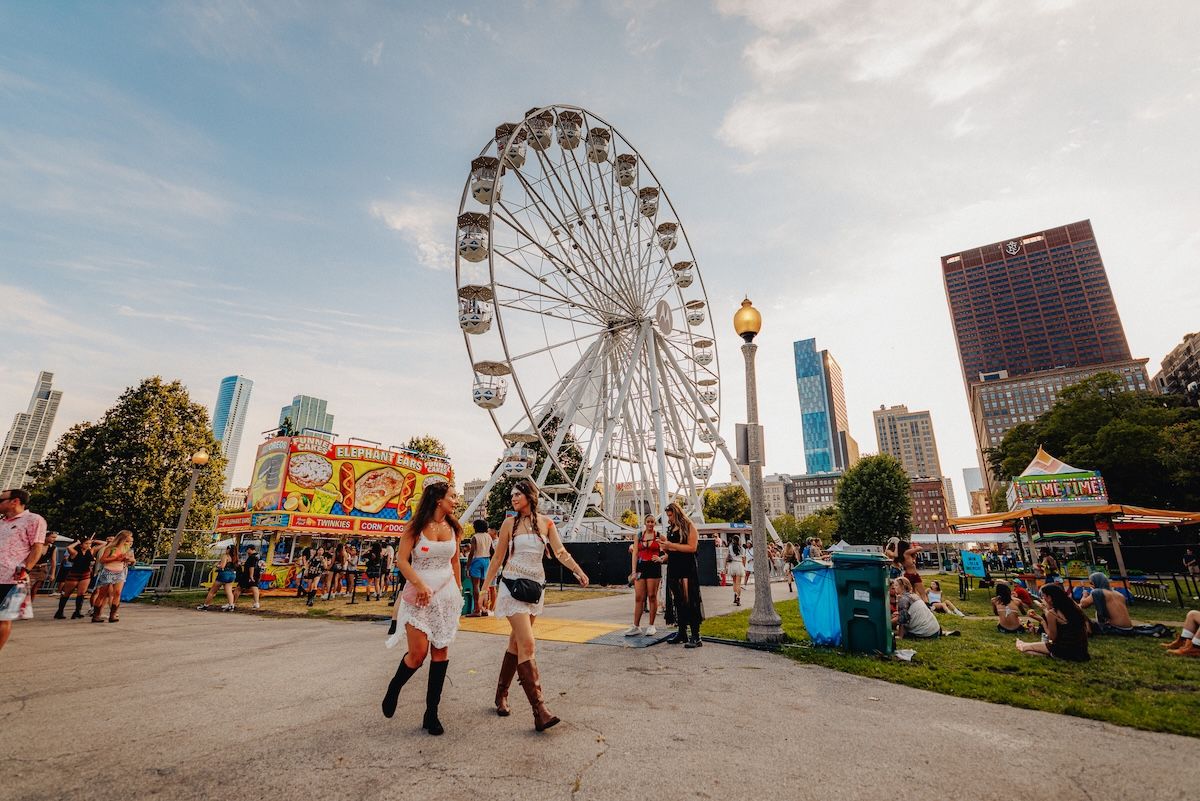
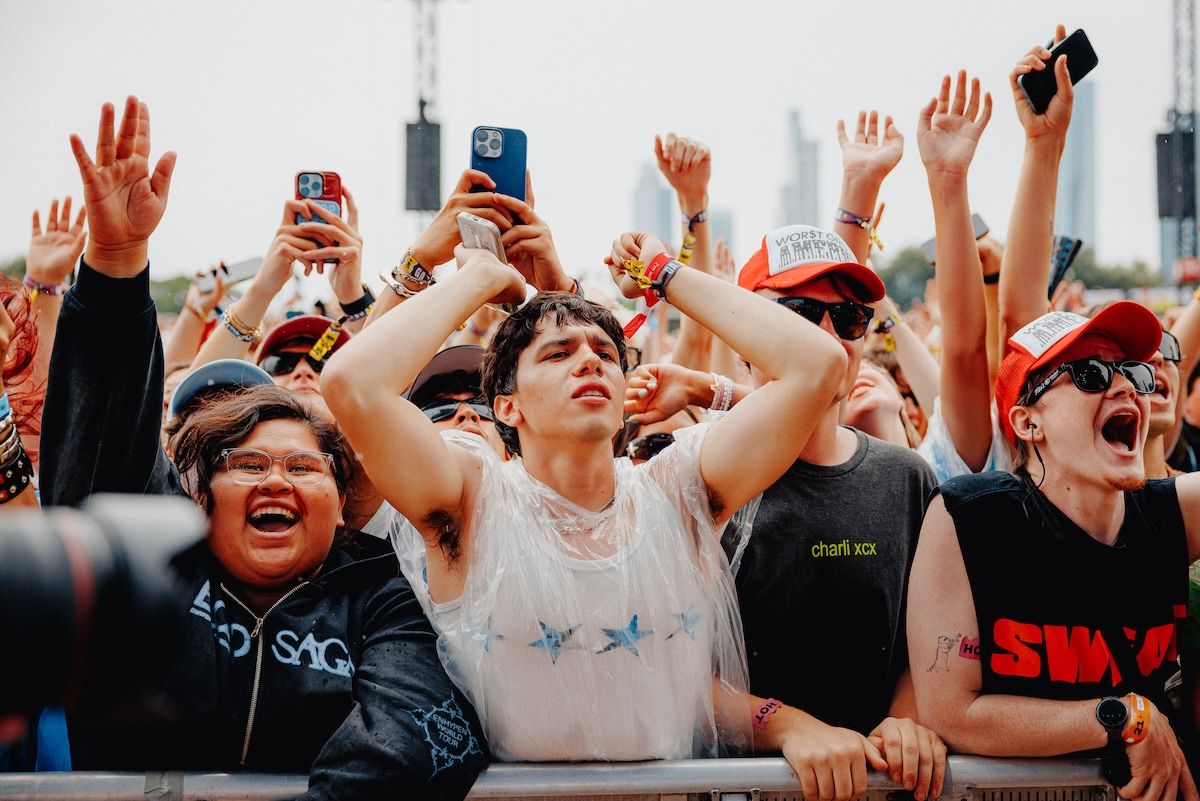
The sheer volume of distraction at a festival introduces another layer of complexity. Amidst cheering crowds, competing sensory inputs, and endless peripheral sights, the focus shifts from deep listening to broad engagement. The audience is simultaneously consuming the music, watching other acts, managing social interactions, and simply navigating the environment.
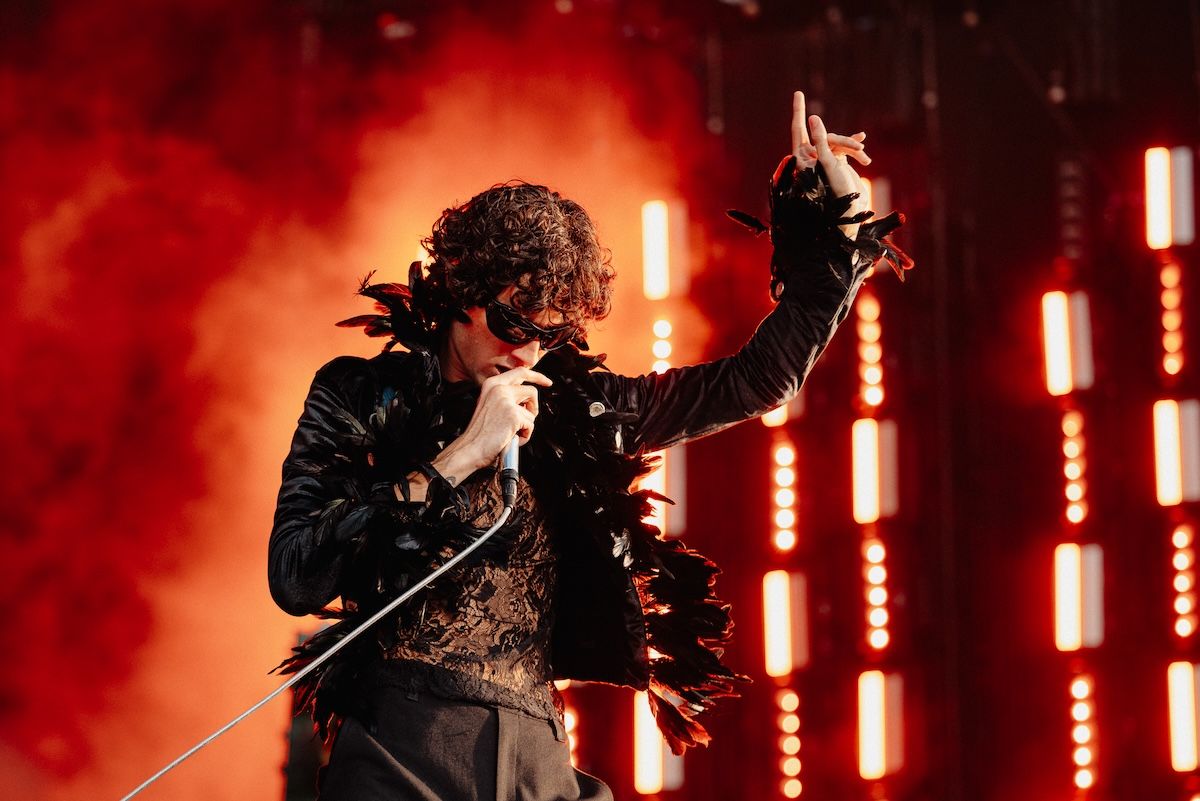
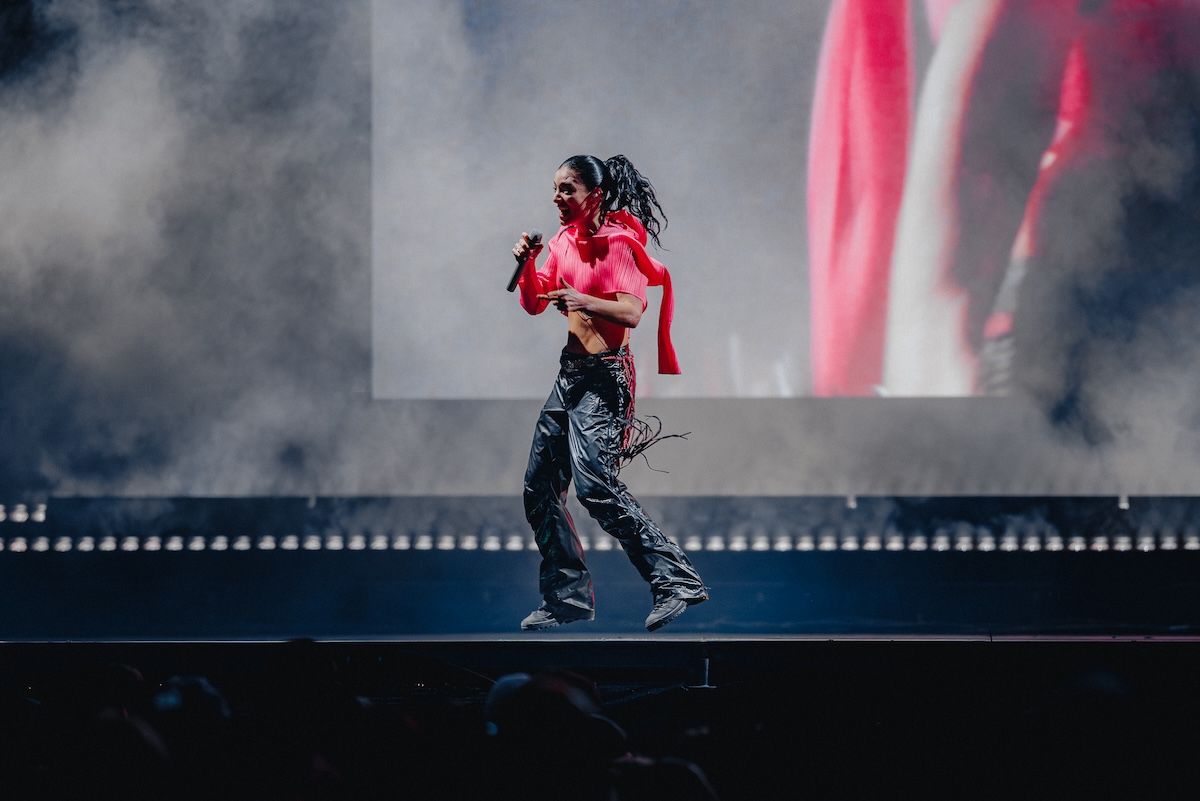
This dynamic creates a fascinating tension: veteran performers accustomed to the focused intensity of smaller settings are suddenly met by what can feel like indifference. They arrive ready to deliver an intimate experience, only to find themselves performing for a massive, diffuse collective. This shift forces a surprise—a realization that success in the festival arena isn’t just about hitting the right notes; it’s about mastering public presence and navigating the unpredictable energy of a large crowd.
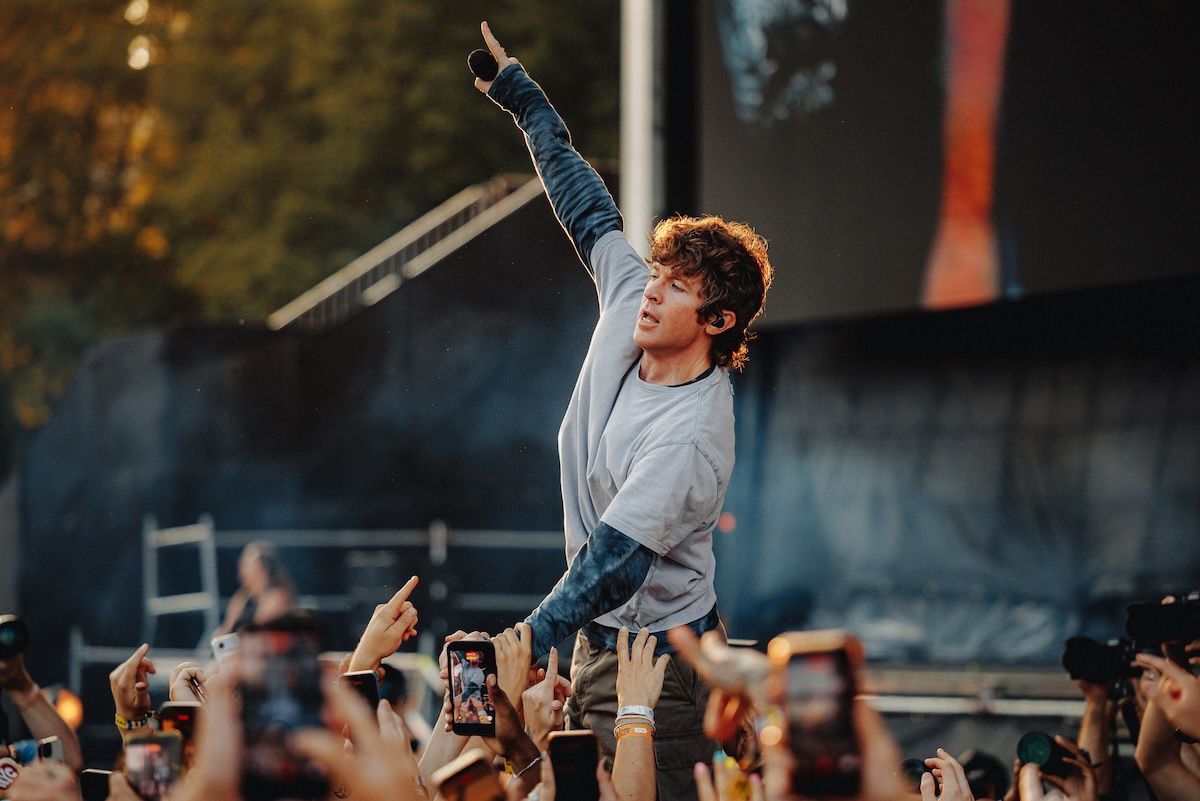
The true magic of these outdoor events lies not just in the spectacle, but in the unexpected lessons learned by everyone involved. Performers discover new ways to connect with expansive audiences, adapting their delivery and their understanding of sound to match the grand scale of the environment. The result is often a performance that is more raw, more communal, and ultimately, far more engaging than anything confined to a smaller room.
Buy on Amazon
Credit