CD Revenue surges 60% in the first half of 2026
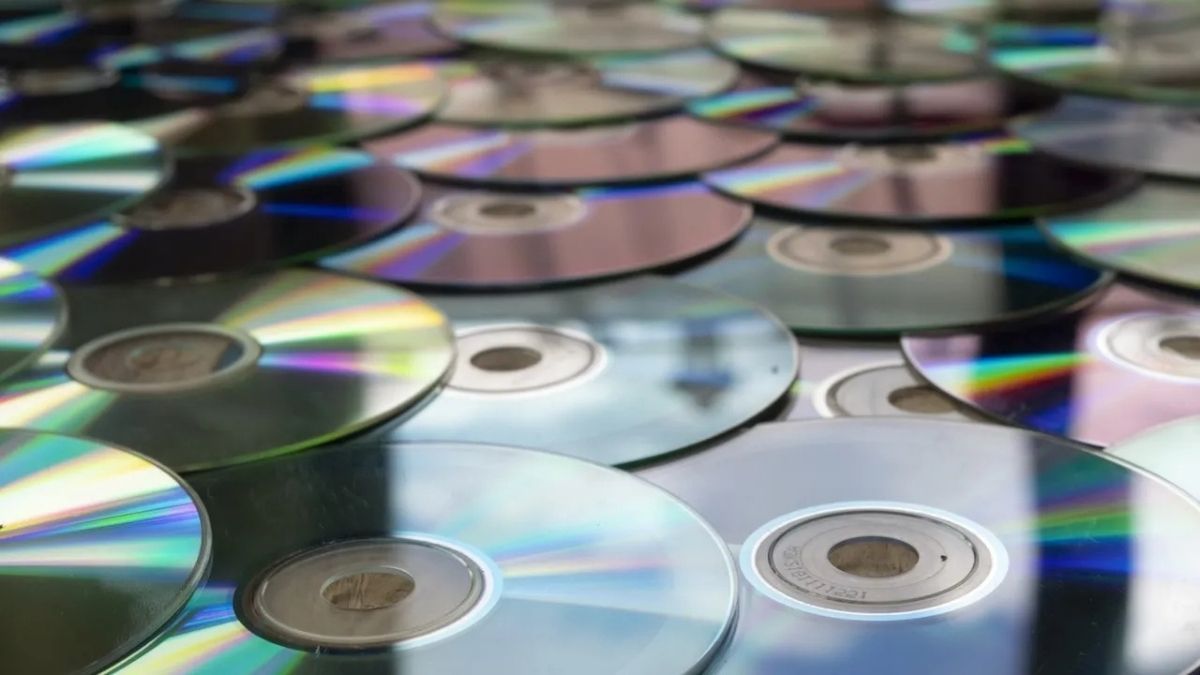
For a hot minute, the compact disc seemed destined for the dusty realm of nostalgia. It was a relic, sealed in jewel cases, often relegated to the backseat of the car, a tangible memory of a bygone era of music consumption.
But the music industry rarely stays put, and the landscape of recorded media is constantly shifting. Today, that old technology is making a surprising, energetic comeback, proving that sometimes the classics do more than just gather dust—they become a thriving part of the modern market.
The compact disc is now one of the fastest-growing segments within the recorded music industry, defying the dominance of digital streaming and offering a unique blend of physical ownership and digital convenience.
This unexpected resurgence signals a fascinating dynamic between old-school physical media and the relentless pace of digital innovation. It’s a story about how consumer habits evolve and how tangible objects can find a new, powerful role in a hyper-digital world.
The shift isn’t just about collecting; it’s about experience. For many listeners, owning a CD offers a distinct physical connection to their music, a curated collection that transcends the fleeting nature of digital downloads. It represents a deliberate choice for ownership, a commitment to music as a physical artifact.
This growing trend highlights a counter-movement against the ephemeral nature of streaming services, demonstrating that there is still a significant appetite for music in a physical format. It blends the tactile pleasure of listening with the satisfaction of owning a piece of music history.
As the Recording Industry Association of America acknowledges this pivot, it confirms that the CD is far from obsolete. Instead, it is evolving, adapting, and finding a vibrant place in the contemporary music ecosystem, proving that even the most nostalgic technology can become the unexpected future.
Buy on Amazon
Credit
