
Why Comedy Needs Movie Theaters David Duchovny on Music and Film
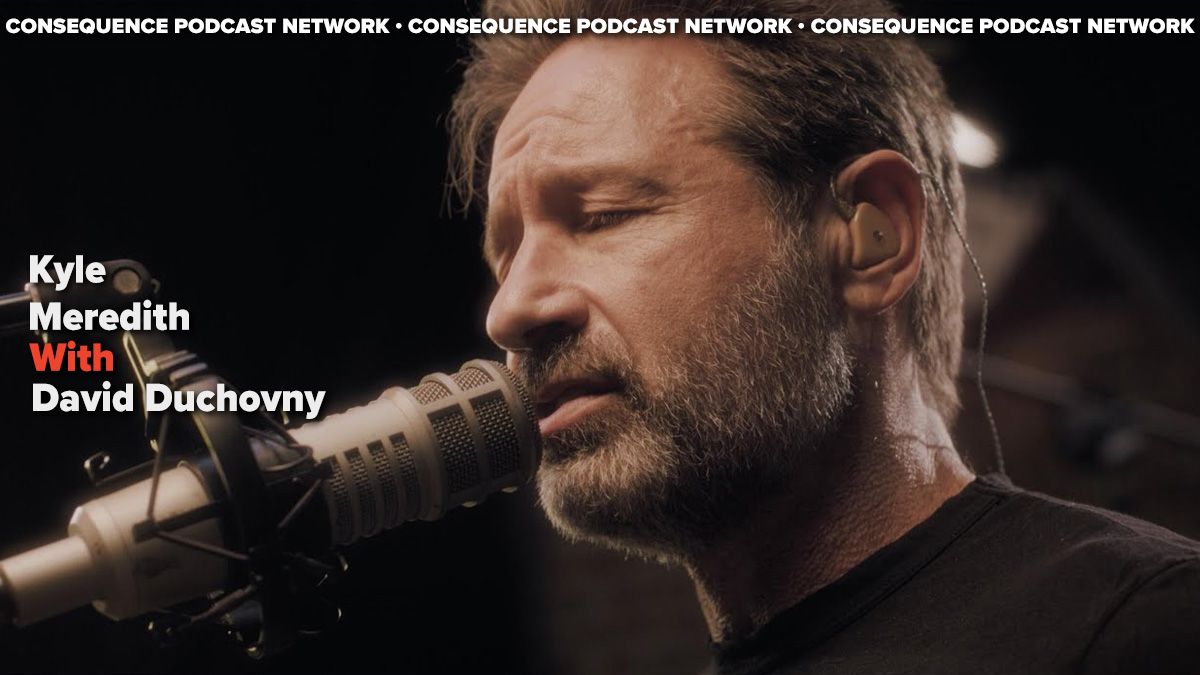
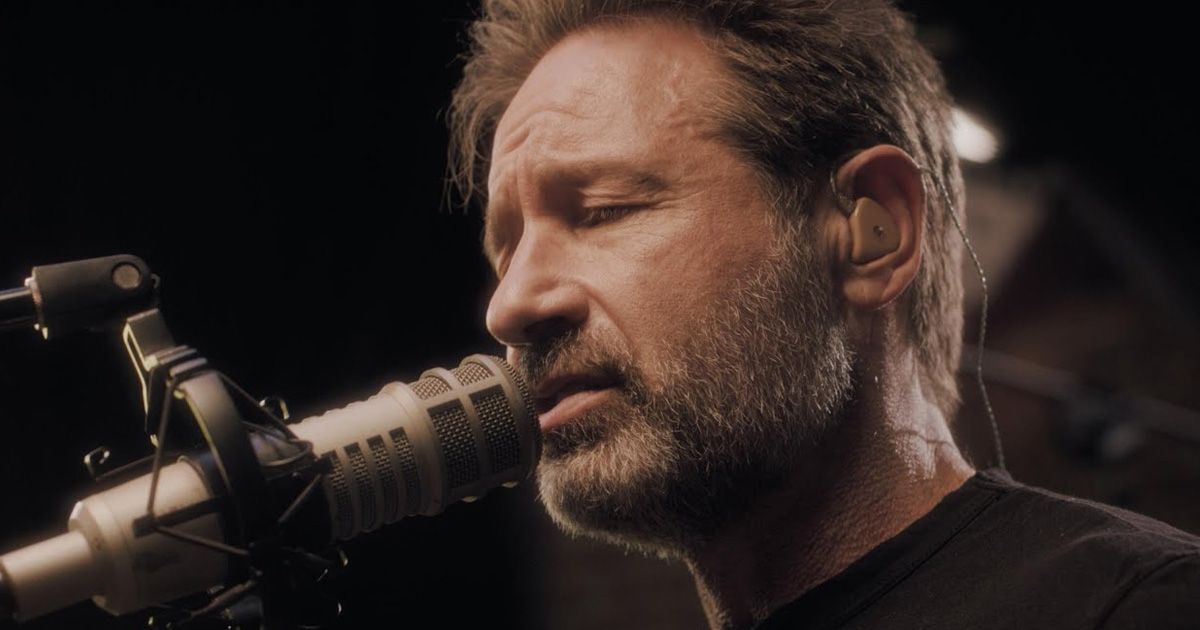
David Duchovny Retreats to the Archives for His Fourth Album
For a decade, David Duchovny has navigated the shifting landscape of creative identity, walking the tightrope between the demands of acting and the pursuit of musical expression. The label of actor-turned-musician has become increasingly anachronistic in his journey.
In a refreshing move that prioritizes reflection over reinvention, Duchovny’s latest offering, the fourth album, Prince of Pieces, proves that sometimes the most resonant art is found not in chasing the immediate self, but in revisiting the accumulated history of sound.
Instead of attempting to capture whatever version of himself might be standing in the studio at any given moment, this new work delves into a rich collection of songs that have matured over years. It is an exercise in sonic archaeology, mining memories and influences rather than chasing fleeting trends.
This approach suggests a deliberate shift from the pressure of contemporary creation to the comfort of established musical lineage. Prince of Pieces isn’t just a collection of tracks; it is a conversation with his own artistic past, allowing the weight and wisdom of accumulated experience to inform the new compositions.
By returning to these deeply rooted songs, Duchovny demonstrates that true musical depth often lies in synthesis—blending lived experience with creative output. It’s an invitation to listen not just to the present sound, but to the entire narrative that has shaped the artist’s voice.
The album offers listeners a chance to engage with music built on endurance and history, proving that the most compelling melodies are often those found in the archives of personal experience.
Buy on Amazon
Credit