Zack Snyder: 300 is one of the gayest movies ever made
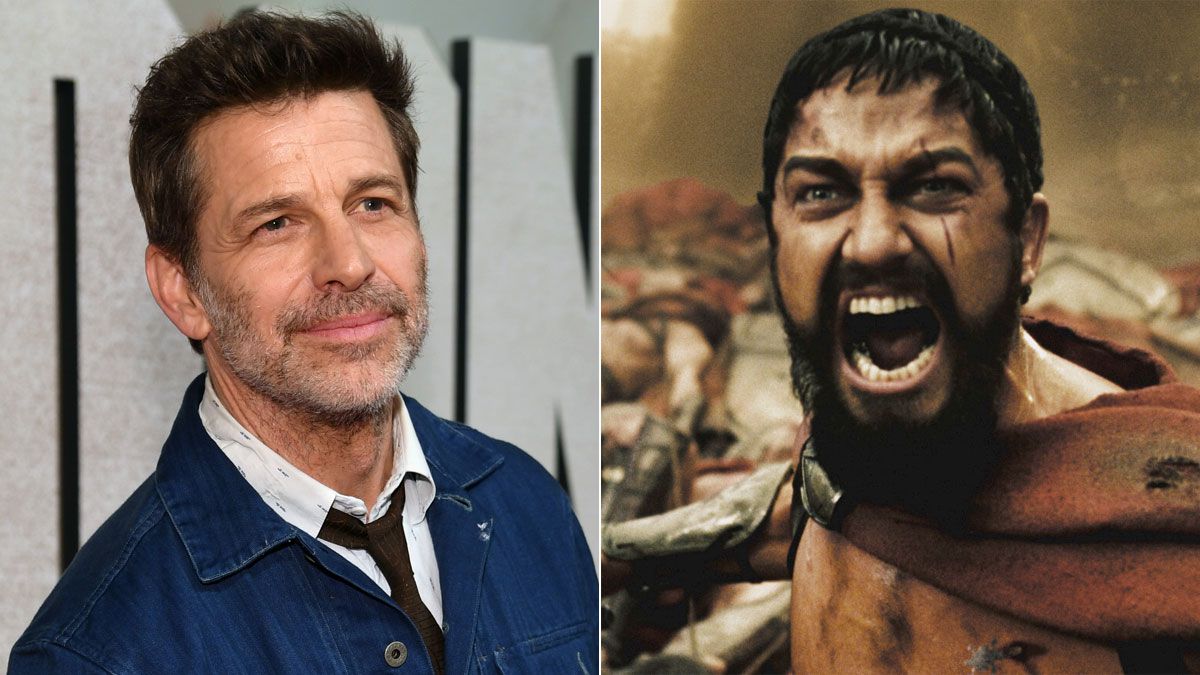
The Art of Controversy: Zack Snyder Navigates the Storm After TIFF Premiere
The Toronto Film Festival typically serves as a launchpad for cinematic brilliance, a place where new voices are introduced to the global spotlight. However, for director Zack Snyder’s latest feature, The Last Photograph, the festival experience was less a celebration and more a crucible of intense public reaction. While some critics offered measured praise, the film immediately became entangled in a far more volatile debate about its aesthetic and the persona of its creator.
The buzz surrounding the premiere quickly shifted from cinematic discussion to polarized commentary. As is often the case with visually striking and emotionally intense filmmaking, Snyder’s work naturally attracts both fervent admirers and vocal detractors. This time, the criticism reached a fever pitch online, escalating far beyond standard film critique into deeply personal and inflammatory territory.
Among the waves of commentary were particularly harsh remarks, some of which crossed the line into outright political invective. Online hate groups and detractors began throwing around severe labels, with some users explicitly calling Snyder a fascist. This reaction demonstrated that for some audiences, the art being presented is not merely a story to be analyzed, but a statement to be judged by deeply held political and moral beliefs.
In response to this tidal wave of negativity, Snyder took the opportunity to address the toxicity that accompanied the premiere. In a recent interview with Variety, he spoke directly to the criticism swirling around his work, attempting to navigate the space between artistic expression and public hostility.
The conversation highlighted a recurring tension in the modern arts landscape: the friction between creative freedom and public accountability. Snyder’s comments reflected a broader struggle—how an artist maintains ownership of their vision while facing audiences determined to assign political meaning to their creations.
Whether one views these public outbursts as a legitimate critique of the art or an unhelpful distraction, the fact remains that The Last Photograph has landed not just on the silver screen, but squarely in the heart of contemporary cultural conflict. It serves as a powerful reminder that the reception of a film is rarely just about the story; it is often about the cultural context in which that story is viewed.
Buy on Amazon
Credit
