Worst to best NMTB song ranking
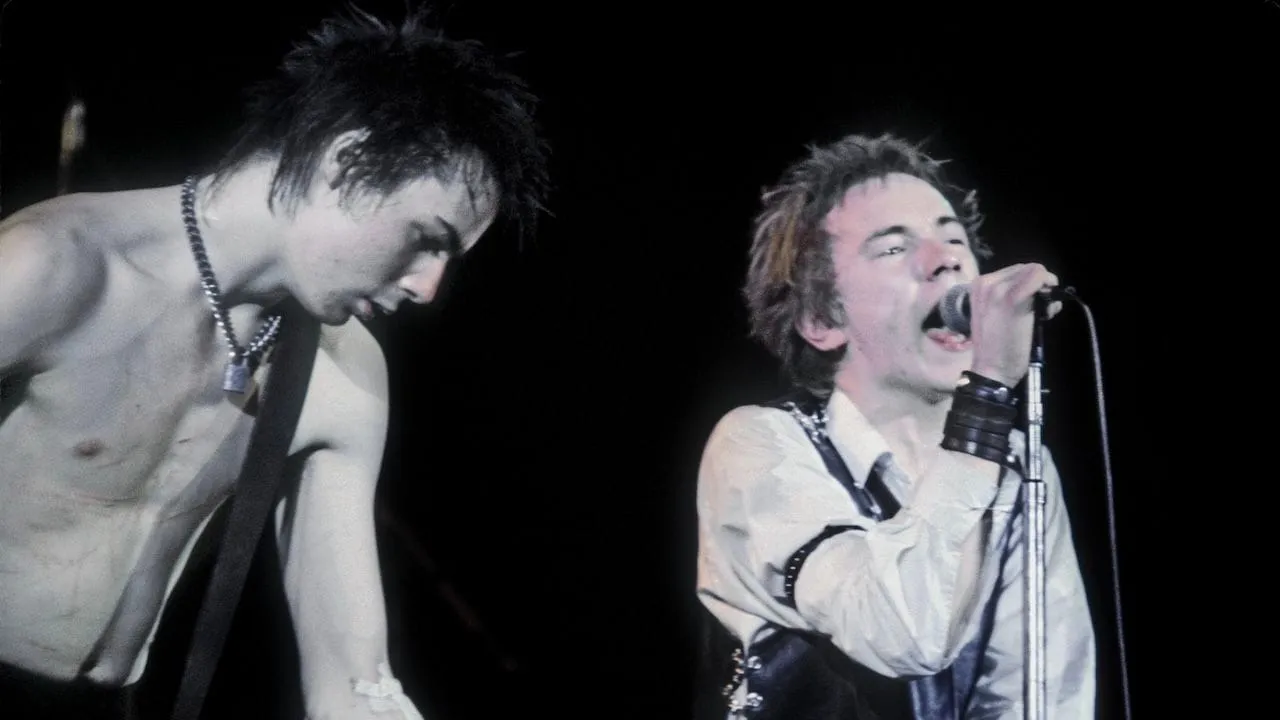
The Sex Pistols burst onto the British music scene in the spring of 1977, a seismic event that defined punk. Yet, despite being the biggest news story in music, the band faced the challenge of proving that the raw chaos of punk rock possessed genuine musical substance. While acts like The Clash and The Damned had established themselves with debut albums, the Pistols were battling their own internal pandemonium as they sought to solidify their chaotic image into lasting art.
The journey to the recording studio was anything but smooth. The band navigated label changes, shifting between A&M and EMI before finally securing a deal with Virgin. A key moment in this evolution involved a change in personnel; when bass player Glen Matlock was dismissed, the ensuing search proved complicated. Sid Vicious stepped into the role, but initially struggled to master the required parts, highlighting the improvisational, yet demanding, nature of the band’s creative process.
When the studio doors finally opened in March 1977, the resulting record, Never Mind The Bollocks, captured a volatile energy that was both deeply unsettling and incredibly potent. The tracks on the album offered a spectrum of punk philosophy, from outright nihilism to blistering rage.
The album opened with tracks that reflected the band’s raw, weary perspective. Seventeen offered a sense of resigned chaos, culminating in the chanted line I’m a lazy sod, which echoed the cynical weariness of the era. Meanwhile, the song Submission delved into the darker, more sleazy undercurrents of their world, presenting a slow, sludgy soundtrack to their fascination with S&M dynamics.
However, the album quickly escalated into fierce statements. Tracks like Liar showcased Johnny Rotten’s trademark snarl and snarling riff assault, delivering pure, unbridled aggression. The band explored themes of societal frustration on a grander scale with Holidays In The Sun, which juxtaposed the upbeat rhythm with cynical lyrics about a cheap holiday in other people’s misery.
The emotional core of the record was perhaps found in the confrontational lyrics. EMI served as a blistering critique of the music industry, a perfect expression of Rotten’s contempt, delivered with stinging lines that questioned the authenticity of the system. Even the most disturbing material, such as Bodies, which addressed brutal social realities, proved to be one of the strongest tracks, injecting a jarring sense of Uneasy Listening into the rock landscape.
The album’s crowning achievements were undeniably the anthems that spoke directly to the disaffected youth. Pretty Vacant was lifted by Rotten’s unparalleled vocal performance, an anthem of defiance that seemed to store up enough anger to fuel decades of cultural shifts. And standing at the summit was God Save The Queen. Claiming to be an anti-christ and publicly dismissing the monarch in the year of her Silver Jubilee, the song was a roaring, swaggering firecracker—a perfect encapsulation of the punk ethos that resonated far beyond the music itself.
Ultimately, Never Mind The Bollocks did more than just deliver a record; it articulated a new, furious voice, demonstrating that punk had the necessary musical and lyrical firepower to challenge the establishment and capture the zeitgeist.
Buy on Amazon
Credit