Woman who saved his career murdered jazz legend
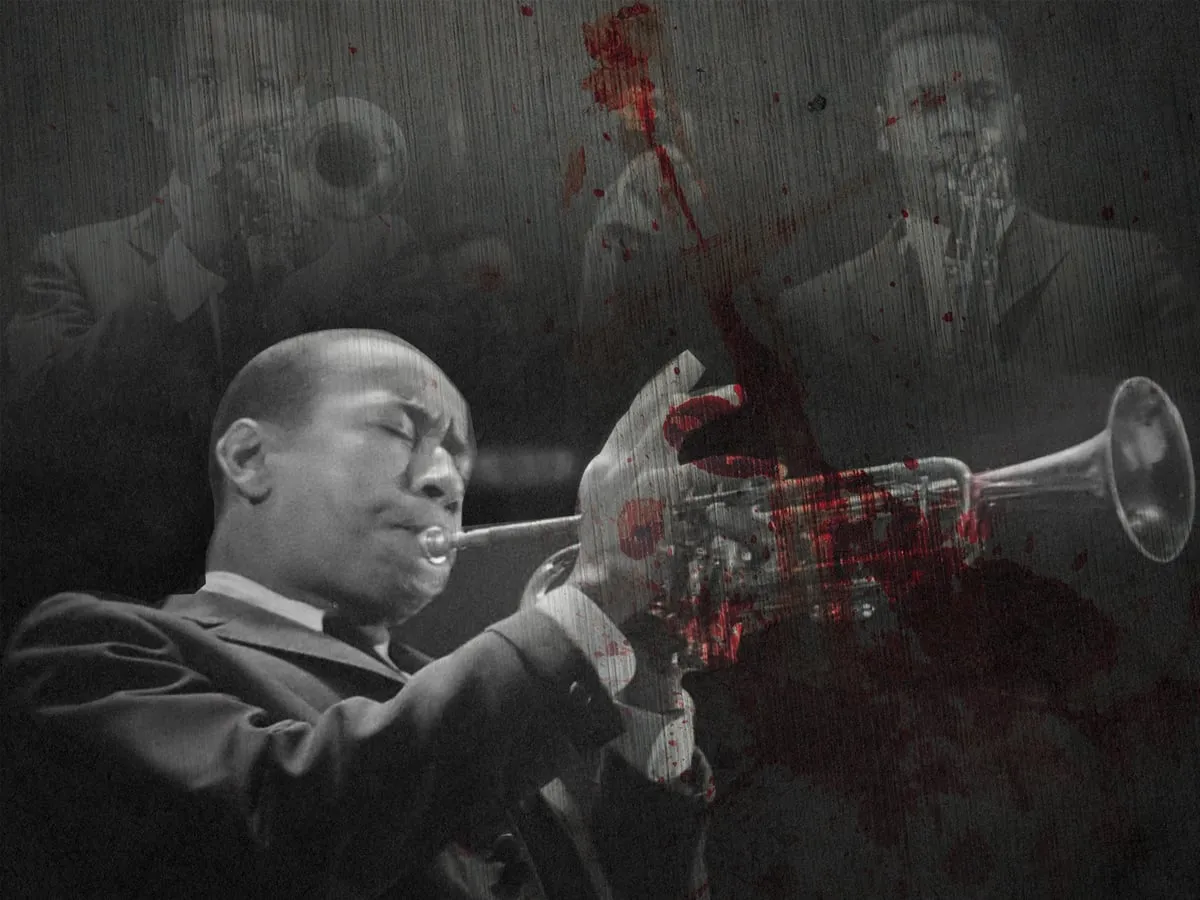
In the heart of New York City’s East Village, a story of glittering jazz and grim reality unfolded within the walls of Slugs’ Saloon. While many residents experienced the neighborhood’s gentrification, few remembered the shadowy history of the venue, a place that served as an unlikely crucible for some of the greatest musicians in the world.
Long before the area became polished and fashionable, the address at 242 East Third Street was home to a jazz club that played a pivotal role in the vibrant Greenwich Village scene of the 1960s. In the burgeoning jazz landscape, venues like the Village Vanguard were hosting the world’s finest artists, but tucked away in a rougher corner, Slugs’ Saloon—affectionately known as ‘Slugs of the Far East’—provided a different kind of stage.
Opened by two Bohemian entrepreneurs, Robert Schoenholt and Jerry Schultz, the venue was a converted Ukrainian bar. It wasn’t a spot for tourists or the mainstream critics; it was a refuge for serious jazz fans and daring musicians who sought a space free from convention. The club offered a stark contrast to the sleek, polished clubs of the era, providing a raw, unvarnished atmosphere where artists could test new compositions and freestyle without constraint.
Despite its rough exterior—filthy windows, heavy doors, and a reputation that kept taxis away—Slugs’ Saloon built a legendary reputation. It became the unofficial laboratory for jazz giants, hosting an astonishing roster of legends including Charles Mingus, Wayne Shorter, Ornette Coleman, Sun Ra, and Herbie Hancock. For these musicians, Slugs was more than just a venue; it was a place where they could explore the boundaries of their art.
The club fostered an environment of acceptance that extended beyond music. It was a space where musicians, many struggling with personal demons, found a sense of belonging. It provided a sanctuary where artists could perform and rebuild their careers, free from the judgment of more formal establishments.
This unique atmosphere extended to the club’s tolerance. As one promoter recalled, the environment was decidedly groovy, blending music, cigarettes, and a certain celebratory spirit. It was a place where people could let loose, finding solace in wine, beer, and the music.
It was in this setting that other remarkable lives intersected. Lee Morgan, a phenomenal trumpet player who had achieved fame working with Dizzy Gillespie and Art Blakey, found an unlikely source of support in Helen Crawford. For five years, she became the stabilizing force in his life, helping him navigate the devastating lows of his heroin addiction.
Helen Crawford, who had navigated the underworld of Harlem herself, played a crucial role in saving Lee Morgan’s career. Jerry Schultz, the owner of Slugs’ Saloon, often regarded her as Morgan’s ‘manager, his nurse, his old lady, his mama.’ Her support allowed Morgan to find a path back to the spotlight, evidenced by his 1967 album, The Sixth Sense, which mentioned her as his “second wife.”
Tragically, the balance between their complicated relationship shattered. As the 1970s dawned, internal tensions and external pressures boiled over. On February 15th, 1972, an inevitable argument culminated in a devastating act. Helen Crawford, armed with a pistol, shot Lee Morgan in the heart while he was performing at the Saloon.
The murder was ruled a crime of passion, and while Helen received a sentence that allowed her to remain in freedom, the event marked a brutal end to Slugs’ Saloon and a somber conclusion to a golden era of jazz in New York. The death of Lee Morgan was not only the loss of a brilliant musical talent but also the silencing of a chapter of history, leaving behind a painful reminder of the darkness that can lurk beneath the surface of artistic brilliance.
Buy on Amazon
Credit
