Why the iPhone Duo design hurts lefties
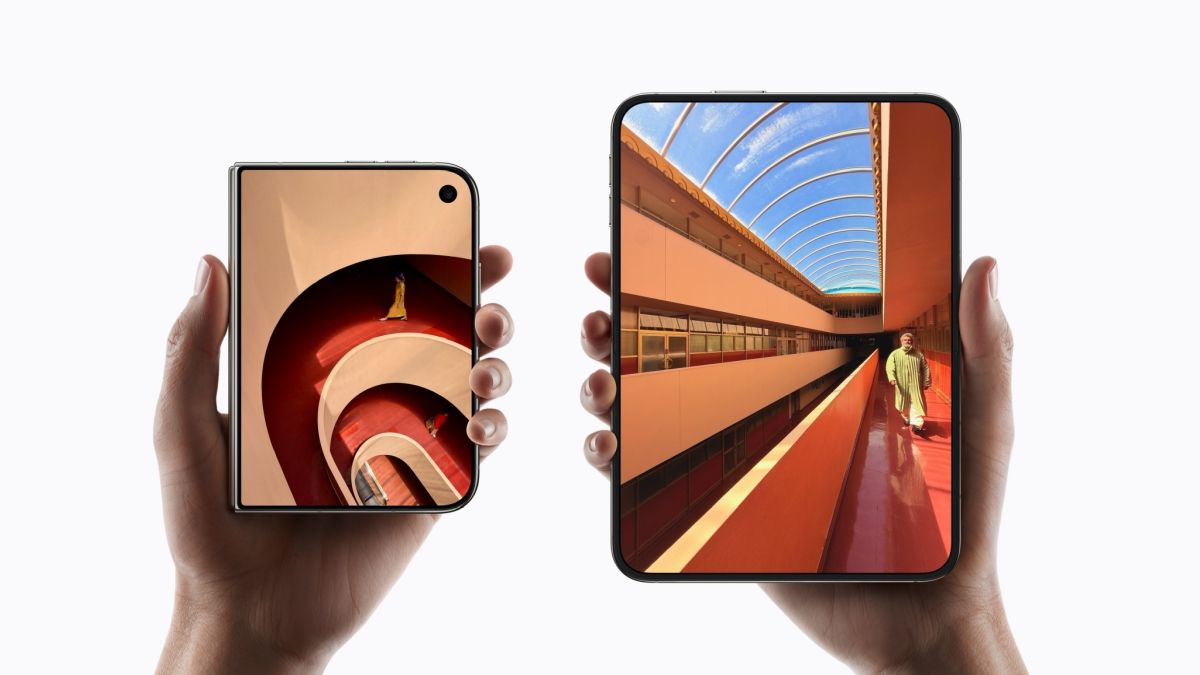
The Foldable Friction: Is Apple’s New iPhone Duo Making the Right Turn?
The world of mobile technology is constantly evolving, but sometimes the pursuit of groundbreaking innovation bumps head-first into the practical realities of human design. This tension is currently playing out in the premium smartphone market, following Apple’s recent unveiling of its first-ever foldable device, the iPhone Duo.
The announcement, made on Wednesday, September 9th, generated immediate excitement. Foldable technology promised a revolutionary new way to interact with our devices, blending the portability of a phone with the expanded screen real estate of a tablet. Yet, as the initial fanfare settled, a different kind of scrutiny began to emerge—one focused less on the technology itself and more on the tactile experience.
The conversation quickly shifted from the impressive specifications of the iPhone Duo to the crucial issue of ergonomics. As with many revolutionary tech launches, the focus turned to whether the device truly serves the user. Early feedback has suggested that the design choices made for the iPhone Duo may not have fully accounted for the natural way people hold and use a phone.
Critics and users have voiced concerns that the engineering might have prioritized novelty over usability. The core question facing the foldable community is whether a device that is visually stunning and technologically advanced can also be comfortably and intuitively wielded in the everyday.
The reality of consumer technology is that a device’s success isn’t solely measured by its screen size or processor speed; it is equally defined by how seamlessly it fits into our hands and our lives. When design decisions inadvertently create friction, even in a cutting-edge product, the excitement can turn into frustration.
As the iPhone Duo continues to navigate the market, the focus remains on refinement. For the foldable revolution to truly take hold, Apple must demonstrate that its commitment to innovation extends beyond the screen and into the fundamental principles of user-centered design. The next chapter for the iPhone Duo won’t just be about what it can do, but how brilliantly it allows us to do it.
Buy on Amazon
Credit