Who played the mandolin on Losing My Religion
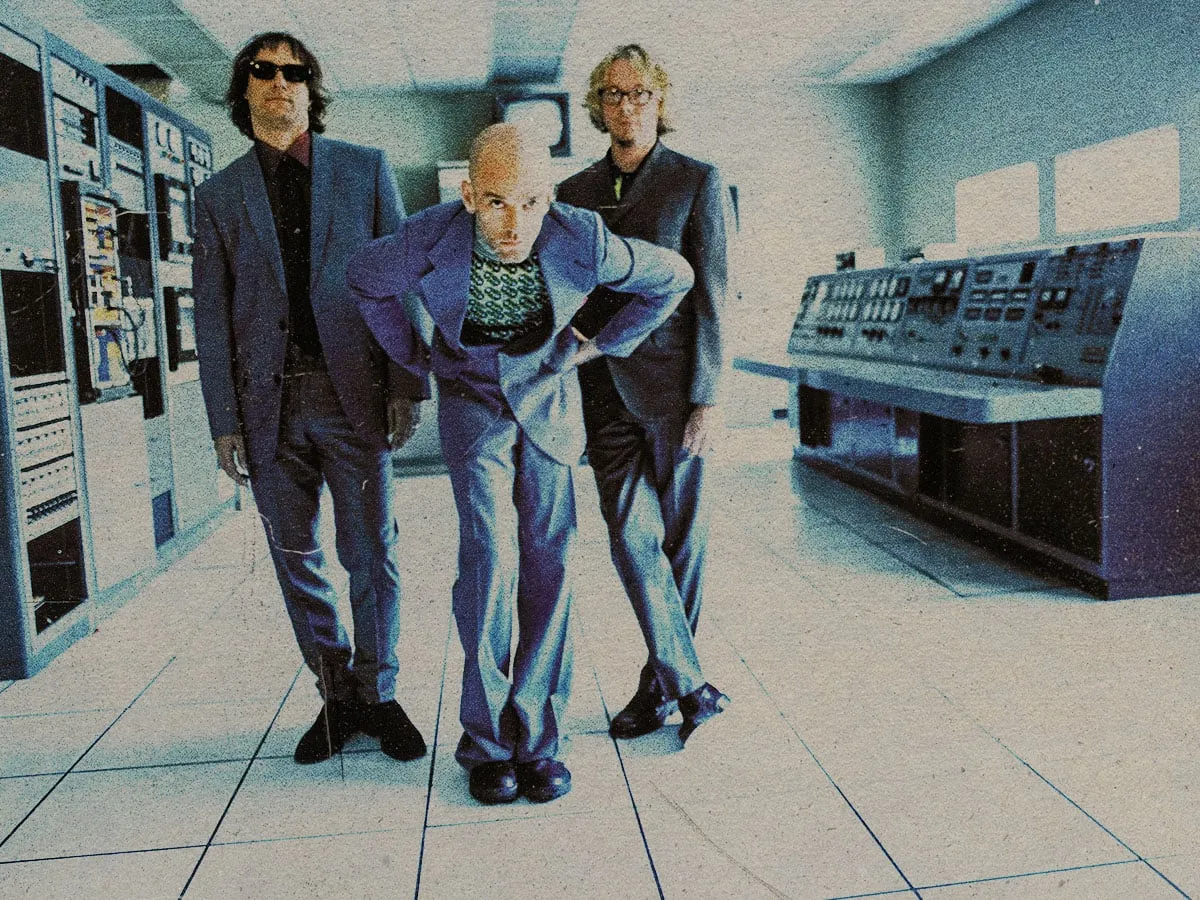
The creation of some of rock’s most enduring anthems often follows a surprisingly simple, yet explosive path: a raw spark evolves into a wildfire.
For many iconic rock songs, the journey begins not with a finished product, but with a basic element—a simple lyric, a melodic fragment, or a guitar riff—before blossoming into something entirely new. This principle was vividly demonstrated by R.E.M., whose artistic success hinges on this spontaneous approach.
A prime example is their 1991 masterpiece, Losing My Religion. The genesis of the track was deceptively simple: a mandolin riff. It was Peter Buck, while learning the instrument, who discovered this initial phrase, and it became the foundation for the song that would define an era.
During this formative period, the band was simultaneously navigating the burgeoning indie-rock and grunge movements, masterfully blending mainstream appeal with alternative sensibilities. Their record Out of Time reflected this dynamic, continuing the evolution seen on their earlier work.
Thematically, the track delves into the universal experience of romantic frustration. While the lyrics don’t directly address religion, they explore the deep-seated emotional turmoil inherent in the tales of woe in love and romance—a fascination Michael Stipe always shared. He described the experience of writing about unrequited love as thrilling, finding a unique emotional space in the uncertainty of whether the subject of affection even exists.
In a remarkable display of live artistry, the creation of Losing My Religion maintained its raw, authentic feel. The mandolin riff was played completely live, incorporating the unintentional rawness of the band’s accidental slips—even a slight “muffle” that they chose to keep, enhancing the track’s DIY character.
Michael Stipe’s vocal performance further emphasized this directness. He recorded his part in a single take after drafting the lyrics in just an hour. He later reflected on the process, describing the creation of the song as an idea that was “floating around in space that we managed to lasso.”
This willingness to experiment extended to their instrumentation. Buck, in particular, embraced swapping out instruments to explore new sonic ideas, pushing the boundaries of what the band considered their comfort zone. This commitment to sonic exploration ensured that every piece of music they released, from the raw riff to the polished track, remained fresh and distinctive.
Buy on Amazon
Credit