Who played the harmonica on The Boxer
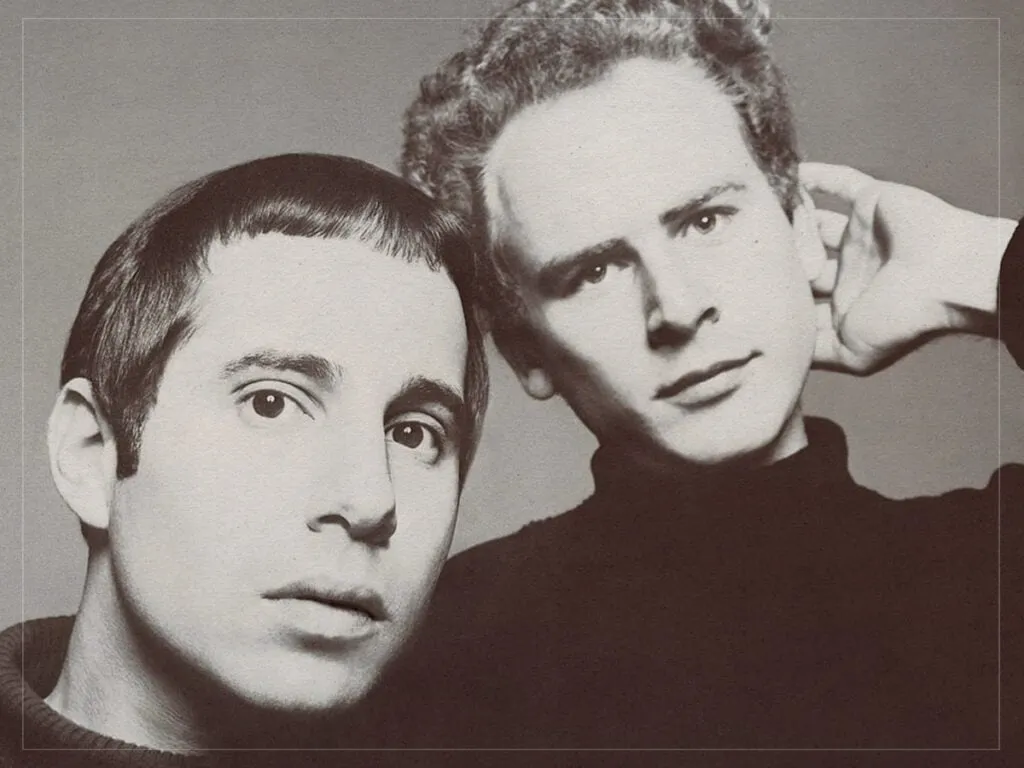
The folk-rock landscape of the late 1960s was defined by a restlessness. While the psychedelic era raged, a new wave of artists sought a deeper grounding, digging into the earthier, Americana sediments of rock to find authentic roots. This shift was mirrored by groups like Simon and Garfunkel, who navigated the transition, striving to anchor their sound in delicate acoustic pieces and signature harmonies, moving away from the prevailing trends of the time.
From their early days, Simon and Garfunkel had already established a unique voice, soaking up folk heritage and developing an Anglicised songcraft that set them apart from the pop mainstream. They eschewed the beat boom in favor of plaintive anthems, crafting a sound that was both thoughtful and deeply resonant.
However, achieving mainstream success brought its own set of challenges. As their chart success grew, critics began questioning their authenticity, scrutinizing their association with soundtracks and pop stardom. For Simon, this meant wrestling with the arbitrary metrics of what constituted “real” folk music, leading to a period of internal reflection about their artistic standing.
It was during this period of creative tension that they poured their focus into crafting masterpieces like The Boxer, a song that captured the weary, determined journey of a soul navigating the big city. The creation of such an epic demanded immense dedication; the sessions for the album clocked over 100 hours of production time.
Amidst this demanding creative process, an unexpected and vital sonic element was added to the track, lending The Boxer a distinctive, soulful depth. The baritone, brassy sound that cuts through the arrangement is the unmistakable voice of Charlie McCoy, one of Nashville’s most celebrated session musicians.
McCoy’s distinctive reed has graced the recordings of countless legends, including Elvis Presley, Roy Orbison, Dolly Parton, Johnny Cash, and Ringo Starr. His presence on the track was not just incidental; it acted as a perfect bassy thickening agent, fusing the disparate musical elements into a cohesive whole.
The harmonica, often relegated to the background, takes on an essential role in the final sound. It provides the church hall production and a liturgical chant that gives Simon and Garfunkel’s spiritual narrative an almost pugilistic, soulful quality.
Charlie McCoy’s contribution is more than just an instrument; it is an essential piece of the storytelling, underscoring how the quiet, folk-inspired artists managed to weave something profoundly complex and deeply authentic into the fabric of their enduring music.
Buy on Amazon
Credit