Who played bass on Master of Puppets
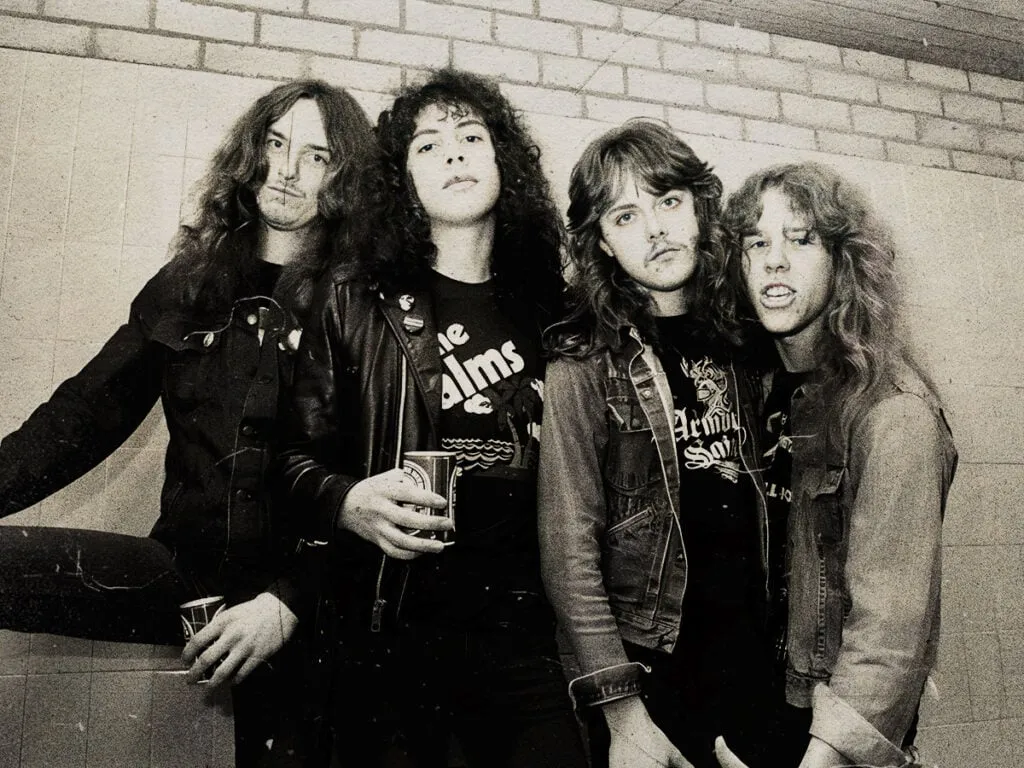
Creating Master of Puppets in 1986 was more than just making another album; it was a crucible where the members of Metallica refined their collective vision, achieving something that would resonate across the entire rock world.
While the band saw it simply as another creative project, the resulting record soon demonstrated an influence far greater than they could have imagined. Looking back, the true significance of the album lies in the intricate moving parts that made it such a seismic arrival, standing apart from their previous work, Kill ‘Em All and Ride the Lightning.
The magic of the record emerged from a period of focused, sober collaboration. The band worked together in a balanced manner, allowing their individual talents to shine through in a polished, powerful way. It was a time where the energy wasn’t just raw; it was meticulously crafted.
A pivotal figure in this journey was bassist Cliff Burton. As the band navigated these intense sessions, Burton was completing his final album before his tragic passing, a loss that only amplified the profound impact of his contributions. His work on Master of Puppets showcased everything he had absorbed throughout his career.
Burton’s bass playing was not merely accompaniment; it was a revolution. Drawing from a vast, eclectic library of influences—ranging from classical and country to blues and heavy metal—he established a unique sonic foundation for Metallica that pushed the genre into entirely new territory.
Critics and musicians alike noted the depth of his performance. One notable observer described his playing as possessing a captivating mix of power and subtlety, highlighting the bravado and bombastic sounds that cleverly concealed rich, nuanced complexity.
This versatility meant that Burton brought layers upon layers of stylistic depth to the track, ensuring that the album possessed emotional resonance rather than simply commanding attention. He blended seamlessly with James Hetfield’s iconic riffing and explosive vocals, providing the intricate backbone that propelled the music forward.
Even when facing the pressure of the recording process, Burton operated on instinct, refusing to be limited by expectations. As he reflected in his later interviews, his commitment was simple: “We do what we wanna do. If they consider that selling out, then… whatever!”
Whether through the intricate dynamics of the bassline or the electrifying guitar work, Master of Puppets remains a landmark in rock history—a testament to the power of diverse vision and the unforgettable sound of true collaboration.
Buy on Amazon
Credit