Who is Boogaloo in Back Off Boogaloo
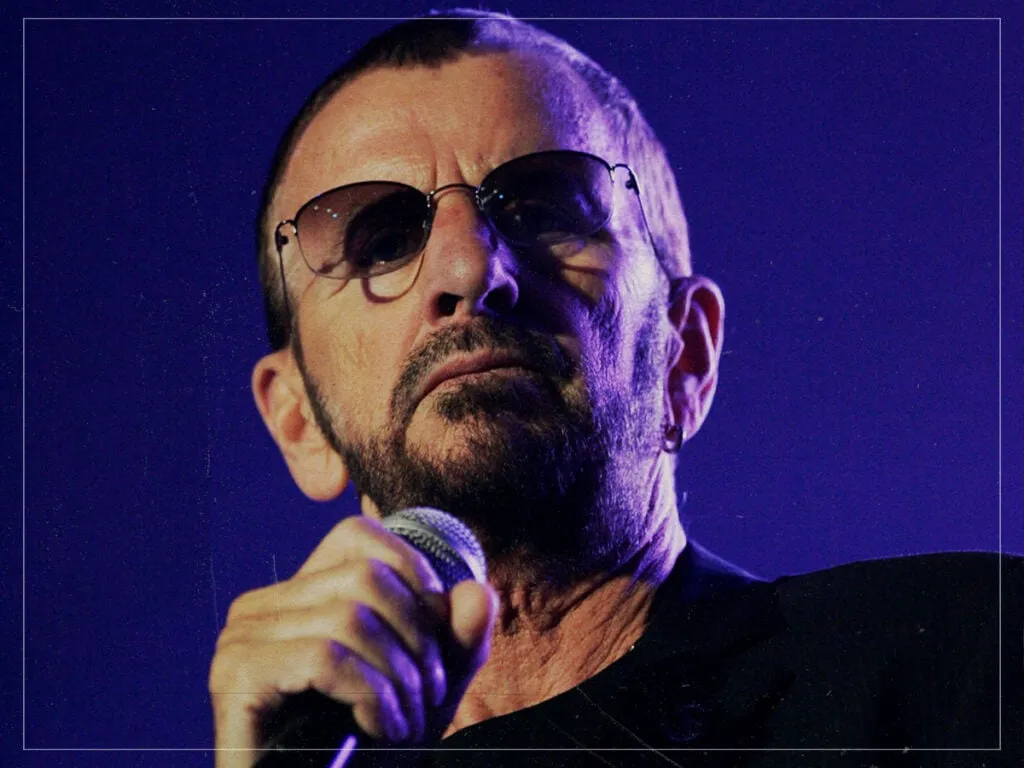
Sometimes, the greatest artists don’t need to craft sweeping epics to captivate us. Ringo Starr, known for his infectious rhythms and joyful spirit, often delivered his most memorable songs by simply playing the same riff over and over, celebrating the pure pleasure of rock and roll. Yet, beneath that surface of fun and exuberance, some of the most profound moments in his career reveal a deeper, more complex reality.
While Ringo sought only to have fun in the studio, some of the goof-offs of his career carried a surprising amount of real-life tension behind the music. Looking at the first singles of his career, one notices that even in these seemingly lighthearted tracks, there is often a clear biographical slant—a reflection of the messy, complicated lives surrounding him.
Consider tracks like ‘It Don’t Come Easy’. This song captures the feeling of navigating difficult circumstances, a theme Ringo could have explored at any point, especially given his rough upbringing and the professional hurdles he faced after The Beatles split in the 1970s.
The dynamic within the band was ripe for exploration. For instance, a song like ‘Early 1970’ speaks to the wistful desire for reconnection, reflecting the longing for his old mates to come back together. It’s almost poignant, realizing that despite the bond, the paths taken led to separate realities.
The complexities of musical history are often rooted in personal friction. Ringo, as the reliable musical presence, was constantly navigating the personalities of his bandmates. A specific example is the tension with Paul McCartney. While Ringo was always available as a musician, the shifting relationships within the group were palpable. This tension sometimes surfaced in his work, reflecting the frustrations of dealing with those closest to him.
Some songs became subtle, yet potent, reflections of this annoyance. When Ringo penned ‘Back Off Boogaloo’, there was an undeniable exasperation aimed at his old bandmate. Though it didn’t deliver the biting satire of some contemporaries, it served as an energetic expression of feeling fed up with the situation.
Ultimately, the story of these songs is about the human experience within the myth of The Beatles. While the public loved the image of the band together, the reality involved navigating personal drama and unspoken resentments. It wasn’t the dramatic split the band sought, but the acknowledgment that life—and music—is filled with the beautiful, messy tension of separate paths.
Buy on Amazon
Credit