Was Richard Kelly cursed by Donnie Darko’s success
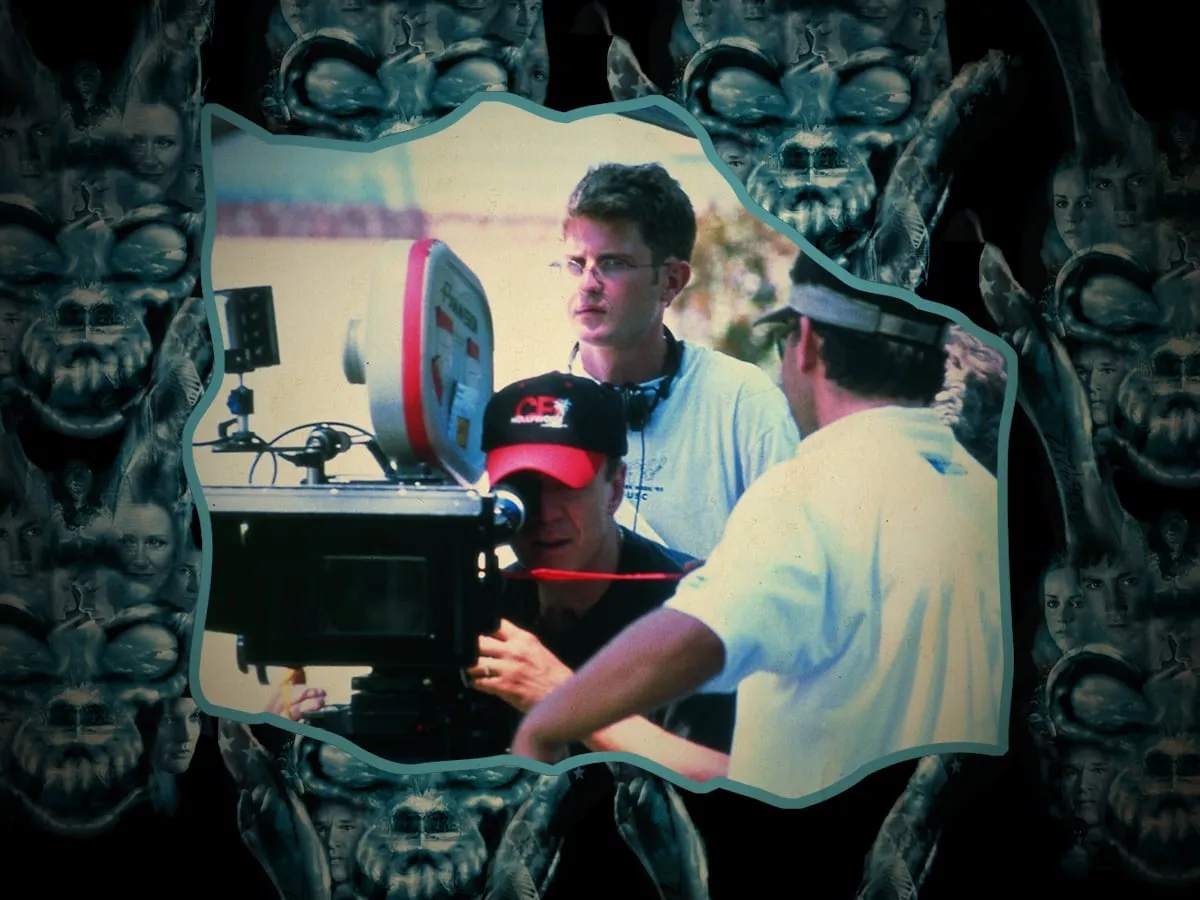
Twenty-five years ago, a cinematic anomaly named Donnie Darko burst onto the scene, immediately captivating audiences with its blend of sci-fi, horror, and teenage angst. But the story behind this cult classic is perhaps even more fascinating than the film itself, especially when we look at the journey of its creator, director Richard Kelly.
The film debuted at the Sundance Film Festival and was made on a relatively modest budget of $4.5 million. Critics quickly recognized the raw power of the story and the magnetic presence of its lead, Jake Gyllenhaal, who delivered a breakout performance that cemented his status in Hollywood.
While Gyllenhaal would go on to achieve major recognition, Kelly’s career path has been anything but straightforward. He didn’t just direct a movie; he wrote his first feature film, a monumental achievement considering he was still relatively young. He recounted that his journey to directing was born out of necessity: having gained an education and a new skill set, the only remaining challenge was to translate his experiences into a feature-length screenplay.
Kelly channeled a deep well of personal experience into the film, drawing heavily from fragments and memories of his childhood and adolescence to construct the film’s bizarre and mind-bending narrative. The film’s unforgettable tone was set early on, beginning with the iconic musical opening sequence of Echo and the Bunnymen’s ‘The Killing Moon’, a choice that remains intrinsically tied to the movie’s identity.
Yet, the trajectory of Kelly’s filmmaking proved more complex than a simple success story. Ambition doesn’t always translate into consistent triumph. In the years following Donnie Darko, Kelly tackled bigger projects, including Southland Tales, a film that struggled to connect with audiences despite a substantial budget of $17 million. Later, The Box managed to generate significant revenue, making $33 million on a $30 million budget, but it failed to achieve the same critical or popular impact as its debut.
It’s a compelling paradox: Kelly found remarkable success with his first feature, navigating the tricky waters of a theatrical release following the 9/11, which complicated advertising efforts featuring imagery of a plane crash. Despite these practical hurdles, the unique blend of science fiction, horror, and adolescence allowed the film to find a lasting, cult following.
Ultimately, the journey suggests that while raw talent can deliver a masterpiece, the unpredictable nature of artistic ambition means that not every subsequent attempt yields the same reward. It highlights the unpredictable nature of life for an artist—one minute they are the industry’s most exciting new voice, the next, their following work faces painful challenges. Perhaps some works are destined to be the singular, unforgettable peak of an artist’s career, a brilliant flash in the pan that redefines the rest of their trajectory.
Buy on Amazon
Credit