Warren Beatty’s movie that changed Hollywood in 1967
The Reckoning of Hollywood: How a Single Film Rewrote the Rules of Cinema
By the late 1960s, Hollywood felt a distinct sense of stagnation. The old guard was sputtering, unable to sustain its dominance in a rapidly evolving world. But beneath the surface of shifting societal attitudes, a revolution was brewing—a wave of experimental music, fashion, and filmmaking that demanded a new visual language.
This restless energy was mirrored in culture everywhere. The music scene, for instance, was exploding with sounds that were anything but tame. The Beatles, for example, transitioned from simple love songs to deeply psychedelic, Eastern-influenced tracks, pushing boundaries and hinting at the wilder possibilities of the age.
As people grew increasingly restless, so too did the appetite for artistic freedom. Pioneering cinematic movements like the French New Wave and Italian neorealism had already demonstrated that art could break free from traditional constraints, making the idea of a more radical Hollywood approach feel inevitable.
The true seismic shift, however, came with the dismantling of the old gatekeepers. In 1968, the restrictive Hays Code, which had governed what movies could depict, was officially abolished. This liberation fundamentally changed the landscape of filmmaking, allowing stories—and imagery—previously deemed too “taboo” to finally find their way onto the screen.
But change often requires a catalyst. Just before this freedom took hold, one film arrived that acted as a powerful, visceral force, permanently altering the trajectory of the industry.
That film was Bonnie and Clyde.
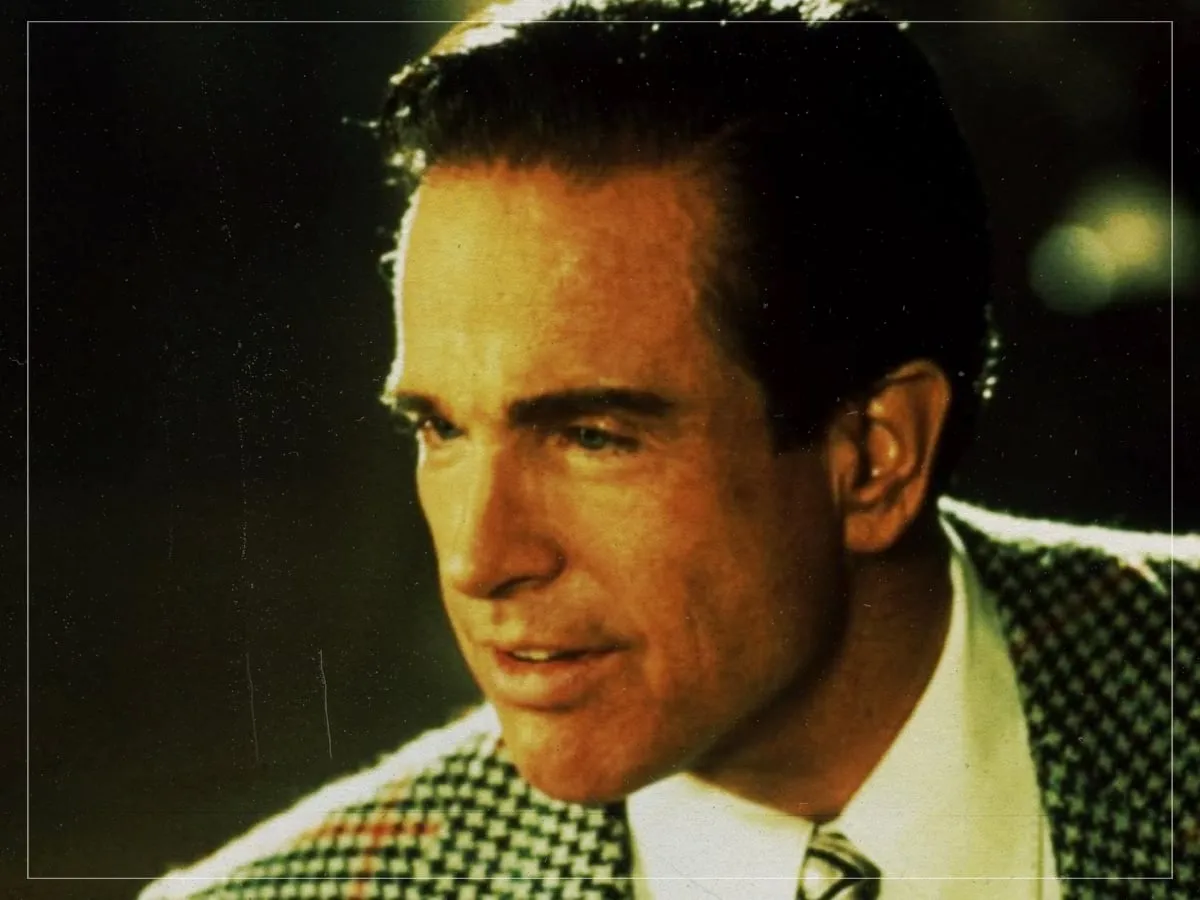
Warren Beatty, who had a keen eye for cinematic risk, oversaw the project with a sense of calculated audacity, calling it “a gamble of the moment.” He understood the precariousness of the endeavor, recognizing that making a movie was an act of faith in the unknown.
The film was a true cinematic rupture. It dared to depict violence and sexuality with an unconventional, sympathetic lens. While critics wrestled with its narrative—some arguing it romanticized the characters’ actions—the film’s raw energy resonated deeply with a generation yearning for rebellion. It offered a sympathetic, almost tragic look at disaffected youth, sidestepping the moralistic constraints of the past.
The impact was immediate and undeniable. With each gunshot and dramatic sequence, the film signaled a decisive turning point: filmmakers were no longer bound by polite conventions. They were ushering in an era defined by increased bloodshed, a darker sense of nihilism, and a frank exploration of sexuality.
The gamble paid off, transforming the careers of those involved, including the emergence of talents like newcomer Gene Hackman. Bonnie and Clyde did more than just tell a story; it shattered the old rules, proving that Hollywood could embrace the chaos and complexity of the modern world. It was a defining moment where the creative risks of the past collided with the explosive freedom of the future.
Buy on Amazon
Credit