Vietnam culture wars and the psychedelic masterpiece of Robert Plant Top five
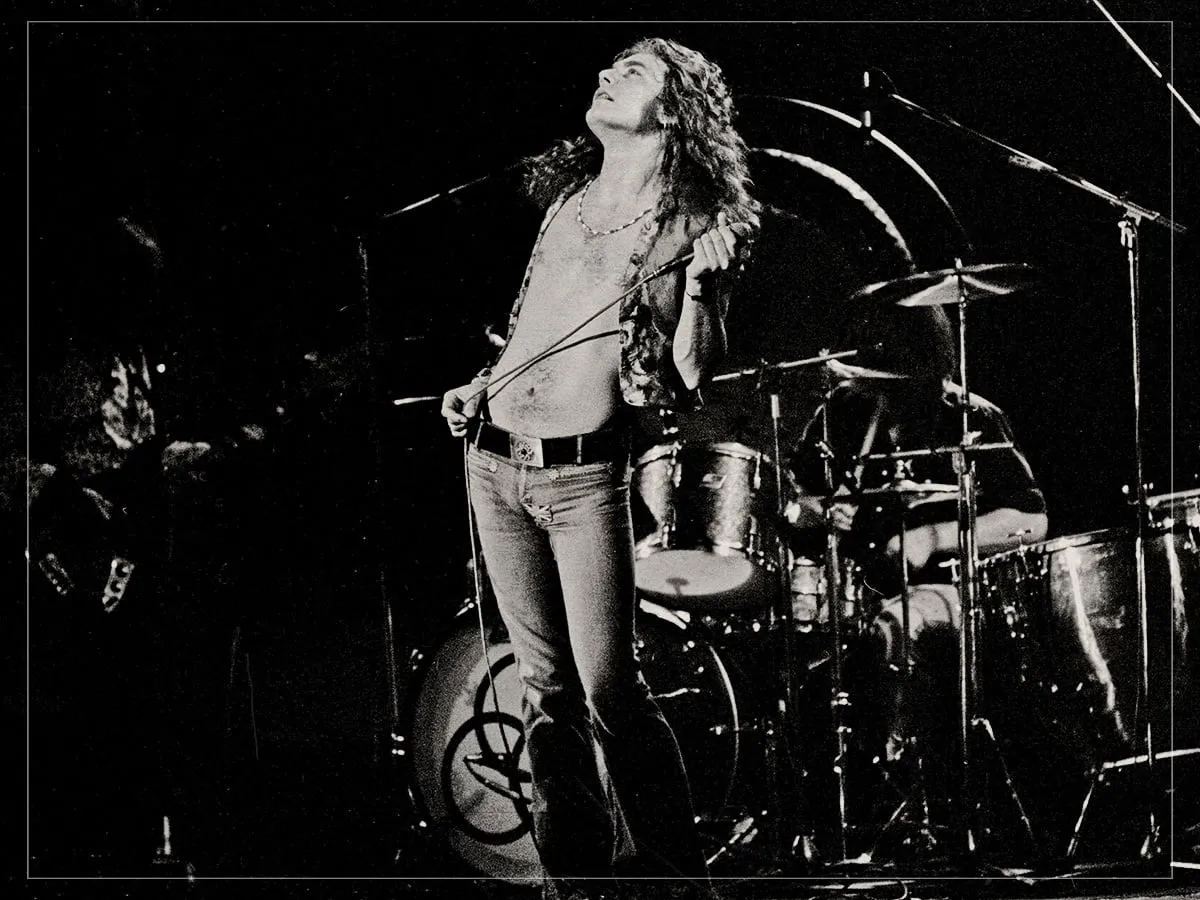
The year 1967 wasn’t just another turning point; it was the moment when a prophetic vision from three years earlier finally materialized, fundamentally reshaping the world. As the counterculture reached its peak, thousands of new-age liberals embraced the promise of social change, seeking a future defined by peace and prosperity.
This revolutionary shift found its epicenter on the US West Coast. San Francisco served as the spiritual hub, where spiritual street pilgrimages intersected with the rolling hills of Laurel Canyon, transforming into the musical neighborhood for progressive artists looking to craft a soundtrack for history.
While the cutting observations of Bob Dylan and the folk pioneers had set the stage, 1967 demanded a more visceral and colorful approach. The anger over political injustice and the turmoil of the Vietnam War remained potent, but they were now tempered by a defiant, vibrant optimism.
Psychedelic music stepped in to address this tension, promoting the peaceful ideals of the ‘flower power’ movement in a way no other genre had. It offered an alternative reality, a sensory experience that countered the violence of the conflict, proving that music could be a force for transformation.
The transition from the simpler sounds of blues, folk, and early rock into the complex world of psychedelia in the late 1960s was not just crucial for those living through it; it laid the undeniable foundation for the musical world that would follow.
Figures like Robert Plant were perfectly positioned to absorb this energy. Even from southern England, the vibrancy of American West Coast psychedelia felt within spiritual grasp. They were the first generation to experience the world less compartmentalized and more global, allowing the wild sounds emanating from California to influence the gritty rock scene in London.
Plant reflected on this cultural fusion, noting that the music spoke directly to the youth’s desire for a world to speak for itself, addressing social unrest and the complexities of the era. He identified key influences that shaped his outlook, including bands like The Byrds, Buffalo Springfield, and Jefferson Airplane, alongside the seminal album Forever Changes, which he regarded as one of the top five albums of the psychedelic world.
When examining the monumental sound of Led Zeppelin and Plant, one might focus solely on the foundation of blues rock. However, the sheer expanse of Zeppelin’s sonic landscape could not have existed without the understanding of psychedelia—how music, despite its rules, possesses endless possibilities. It was this expanded vision that allowed the genre to move beyond established boundaries and redefine the limits of what music could achieve.
Buy on Amazon
Credit
