V for Vendetta mask: How it became a global symbol of protest
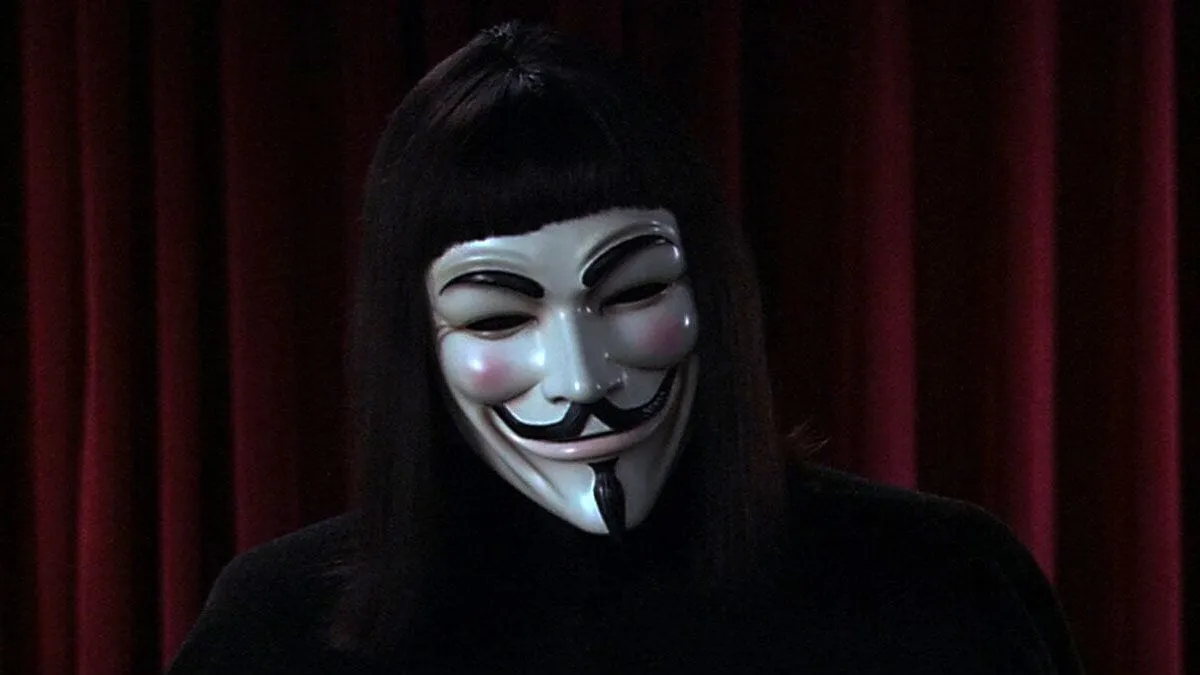
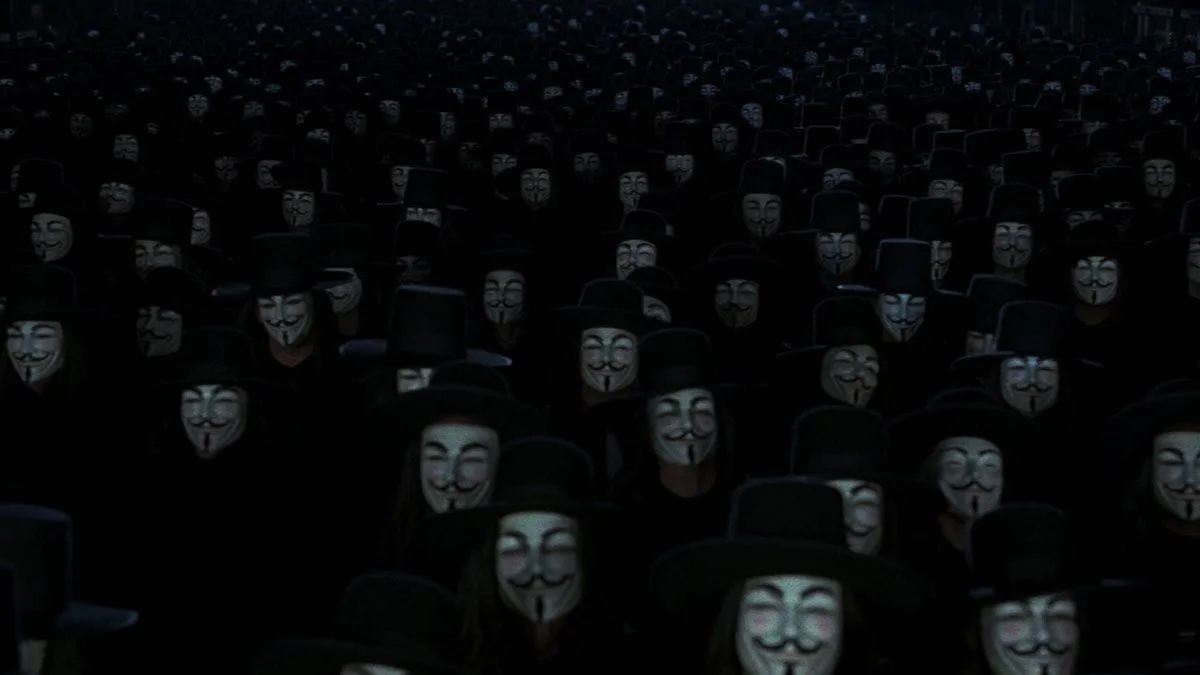
The Mask That Stayed: How a Movie Icon Took Root in Culture
In the world of cinema, some creations don’t just entertain; they evolve into cultural artifacts. The story of the Guy Fawkes mask, originating from James McTeigue’s 2006 film V for Vendetta, is a perfect example of this phenomenon. McTeigue has expressed awe at the mask’s journey, noting how it has transcended its cinematic origins to carve out a unique and powerful presence in contemporary culture.
For McTeigue, the impact of the film extended far beyond the screen. He views the creation of art as a hopeful act—a desire for something to leave a lasting imprint. “When you make a film, you hope that it might seep into the culture at some point,” he shares, reflecting on the potential reach of storytelling.
The Guy Fawkes mask, once merely a prop in a dystopian narrative, transformed into a symbol of protest, anti-establishment sentiment, and digital rebellion. It evolved from a fictional character into a real-world emblem that resonates with movements seeking change and visibility.
This evolution demonstrates the potent power of cinematic mythology. A simple, striking visual element can act as a catalyst, inviting people to engage with complex ideas about freedom, resistance, and identity.
The mask’s success lies in its ability to connect deeply with modern anxieties and aspirations. It serves as a contemporary symbol that speaks to a shared desire for disruption and a voice in public discourse.
Buy on Amazon
Credit