Tracing the name psychobilly
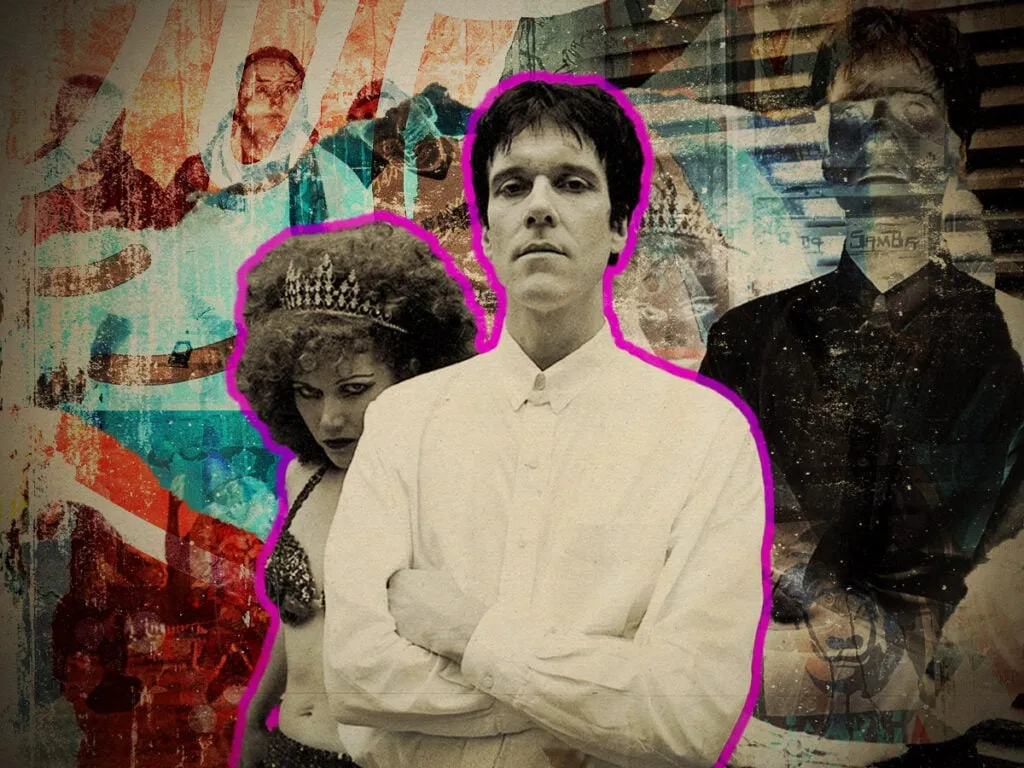
The world of rock has a peculiar habit of borrowing, twisting, and recombining styles, and the psychobilly genre is a perfect example of this creative fusion. What started as a specific sound has evolved into a sprawling, exhilarating landscape that pulls in everything from the slick swing of rockabilly to the aggression of punk and the menace of heavy metal.
For many musicians, the appeal of psychobilly lies in its expansive nature. As one drummer put it, the genre is free-form, allowing artists to blend disparate elements. It marries the nostalgic aesthetic of the 1950s and early 1960s rock ‘n’ roll with a darker, more aggressive edge. This is where the horror motif comes into play, creating a unique human element that explores the darker side of life, blending the silliness of retro culture with a palpable sense of menace.
This umbrella term has been around for decades, acting as a catch-all for any band that injects a degree of gothic or aggressive flair into retro sounds. It’s a fluid concept, built on the foundation of throwback aesthetics mixed with raw, energetic delivery.
The term truly gained serious traction as a journalistic tag in the UK during the early 1980s, spearheaded by bands like The Meteors. They embraced the label, positioning themselves as the purest expression of psychobilly, focusing on themes of horror, death, and perversion rather than typical political or religious commentary.
However, the seeds of the genre were sown much earlier by American pioneers. The band The Cramps, known for their turbo-charged retro-rock infused with B-movie kitsch, are often credited as foundational. Their founding members, Lux Interior and Poison Ivy, began using the term on promotional flyers as early as 1976, long before it was established as a formal genre.
Their inspiration for the name wasn’t purely musical; it was a sly nod to pop culture. They drew inspiration from the lyrics of Johnny Cash’s novelty hit, “One Piece at a Time,” a song released in 1976. The narrative of the song—a Southern boy building a custom car piece by piece—provided the perfect metaphor for their mashed-up musical style. The song’s reference to a Frankensteinian creation, blending the car and the theme of the piece, perfectly captured the psychobilly spirit.
This moment, when retro rock collided with subversive pop culture and dark aesthetics, gave birth to a genre that remains endlessly fascinating. From the original shock of the 1970s to today’s diverse wave of bands, psychobilly continues to prove that the most enduring music often springs from the most unexpected intersections.
Buy on Amazon
Credit