Toxicity: System of a Down’s Metal Masterpiece
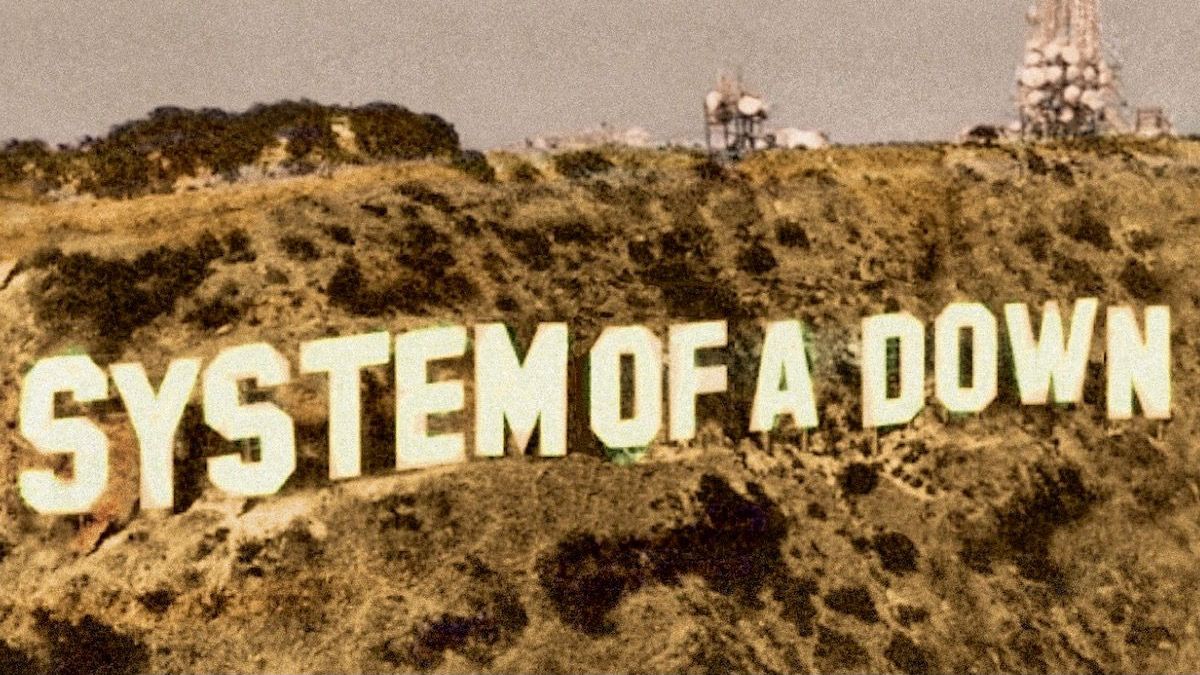
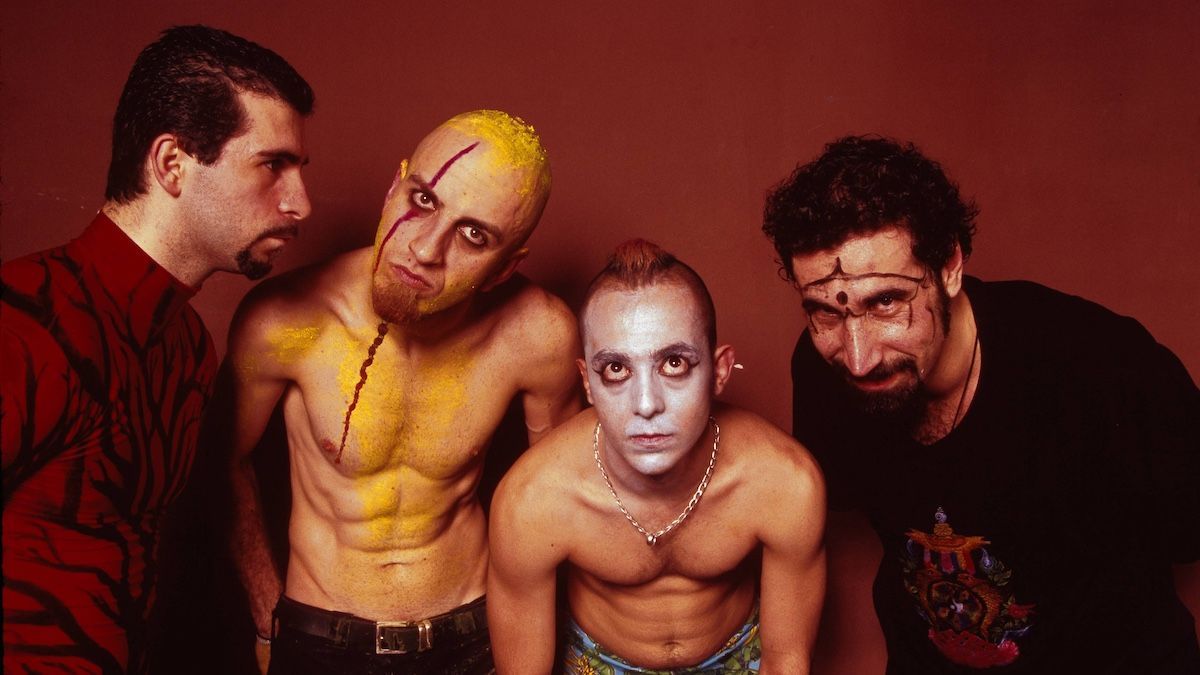
The journey from private admiration to global phenomenon is often a winding road, paved with personal conviction and artistic risk. For some, the act of creation is a deeply personal affair, but for others, it is a pursuit that collides with public expectation. This dynamic was perfectly captured in a candid conversation involving music royalty Rick Rubin, who reflected on his initial encounter with one of the genre’s most electrifying acts.
In a 2009 chat with Q magazine, the legendary producer offered a fascinating glimpse into the early stages of his involvement with System of a Down’s 1998 self-titled debut album. It wasn’t just a professional collaboration; it was a reflection on the delicate balance between personal passion and the daunting challenge of introducing a new sound to the world.
Rubin confessed a truth that resonated with anyone who has ever been an early adopter of something truly unconventional: “I loved them. They were my favorite band, but I didn’t think anyone was going to like them apart from a small, likeminded…”
This sentiment highlights the unique position of artists who forge their sound outside established norms. Rubin’s comment speaks volumes about the initial skepticism that often accompanies groundbreaking music. It suggests that true artistic genius sometimes exists in a space separate from immediate popular approval, demanding patience and a profound faith from those willing to champion it.
It is this kind of early, unfiltered devotion that often fuels the most compelling creative partnerships. For a producer of Rubin’s caliber, diving into a project is more than just hearing a melody; it is an invitation into a world that may not yet be ready for it. The relationship between the artist and the creator is often a powerful story of mutual belief, proving that the most revolutionary sounds frequently begin with a small, dedicated circle.
Buy on Amazon
Credit