Tom Morello’s most American song
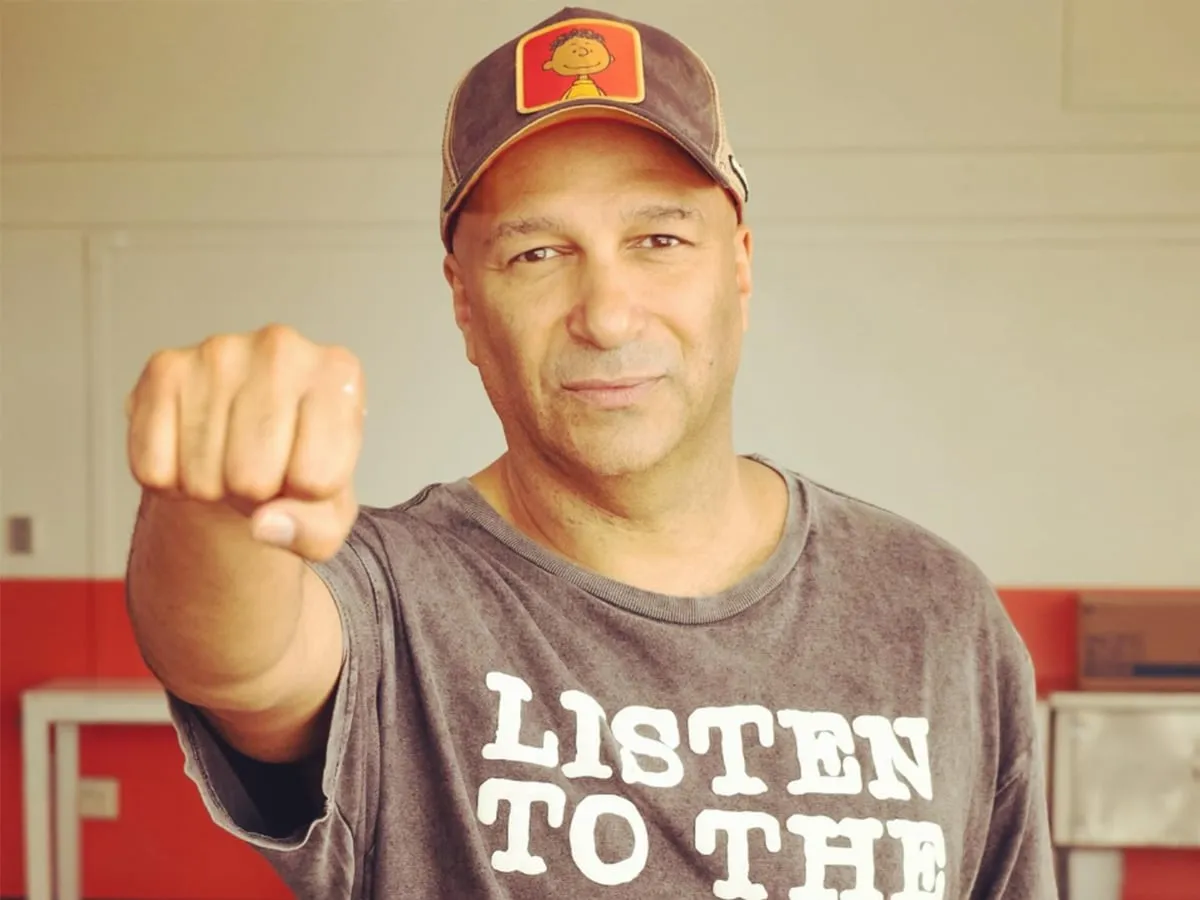
When you look at the history of rock music, few figures command the same restless, revolutionary energy as Tom Morello. From the moment he stepped onto the stage, he wasn’t just playing guitar; he was channeling a deep, abiding sense of rebellion. Has there ever been a moment where the spirit of revolution has felt so intrinsically tied to the music as it is for him?
While bands like Rage Against the Machine delivered some of the most visceral anthems of the late nineties, Morello’s influence extends far beyond the boundaries of a single genre. Though some dismiss the nostalgia for tracks like Killing in the Name as mere teenage angst, for Morello, that music serves a deeper purpose. His goal has always been to create sound that carries the same revolutionary heart that fuels genuine change.
Whether he was honing his craft with Audioslave or exploring more solitary musical journeys, Morello has consistently drawn from powerful, often marginalized influences. He recognizes that some of the greatest melodies emerge not from comfort, but from moments of oppression, and his catalog is rich with tunes born from calling upon those same voices to speak out.
This connection to history is profound. The guitar itself has always been a symbol of revolt. While many guitarists, including those who admired technical mastery like Yngwie Malmsteen, focused on speed and virtuosity, Morello saw the instrument as a vehicle for something much larger. His influences stretch back further, pointing toward folk singers like Woody Guthrie, who spoke truth to power with simple melodies.
Guthrie’s legacy offers a timeless perspective: that music can be the purest form of protest. Songs like This Land Is Your Land offered a powerful glimpse into the reality of the time, resonating with a universal feeling of questioning authority. Morello felt that this message—the need to stand up for one’s fellow man—was embedded in the very fabric of American experience.
This feeling was not merely academic; it was an internal awakening. He believed that anyone, regardless of their position, could find a way to contribute to a better world. Whether collaborating with titans like Bruce Springsteen or creating his own work, he has maintained a commitment to keeping this transformative idea close to his chest, knowing that true patriotism demands more than blind following.
To be a true patriot, Morello argues, is not just about accepting the status quo. It is about looking at the world from every angle and actively seeking ways to improve it. If causing a stir through music is the path to making something better than we found it, then that is a cause well worth pursuing. It’s about using your voice, however unconventional, to inspire change.
Buy on Amazon
Credit
