Tom Morello reveals his 2024 vote for Kamala Harris
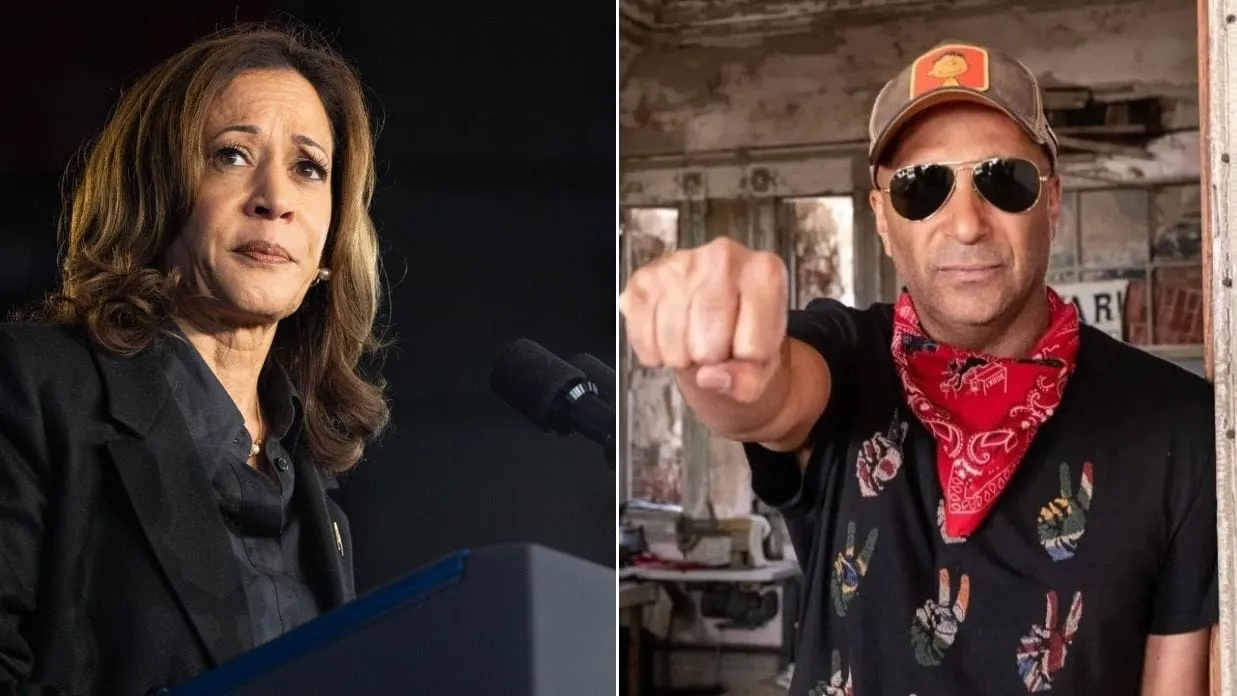
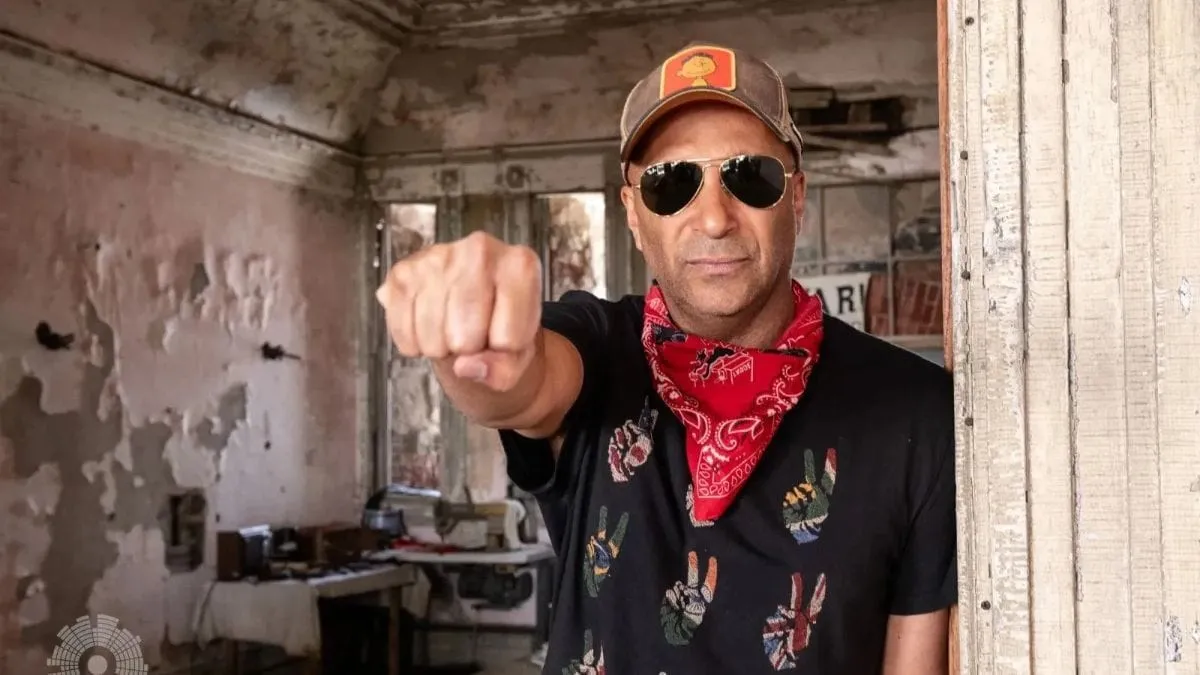
Tom Morello, the iconic guitarist for Rage Against the Machine, recently opened up about his decision regarding the 2024 presidential election, revealing a stance rooted not just in politics, but in profound moral and systemic concerns.
The musician clarified that he did not cast his vote for Kamala Harris, a decision he attributed to deep disagreements over two major issues: the ongoing war in Gaza and his broader objections to the American electoral system itself.
Morello made it clear that his political choices were not based on simple party affiliation, but on a critical assessment of global conflicts and the fundamental structure of how the United States operates.
He expressed that the reality of the war in Gaza weighed heavily on his conscience, creating an internal conflict that made supporting the Democratic nominee untenable for him. This perspective framed his vote as a moral judgment rather than a partisan preference.
Beyond the immediate conflict, Morello voiced reservations about the mechanics of the U.S. electoral process. He suggested that fundamental objections to the system itself contributed significantly to his decision not to support the Democratic candidate.
This revelation brought into sharp focus the tension between public political engagement and deeply held personal or ethical convictions. For a figure known for outspoken activism, Morello’s comments offered a candid look at how external crises and systemic issues can shape political perspectives.
His statement underscored a philosophy where personal ethics and a critique of institutional structures take precedence over political expediency. It positioned his decision as an act of principled dissent against both global violence and domestic political frameworks.
The comments sparked a wider conversation about the role of celebrity in political discourse and the weight of personal responsibility when engaging with complex international and domestic affairs. Morello’s story serves as a reminder that public figures often navigate the challenging space between personal beliefs and the demands of public life.
Buy on Amazon
Credit