The Wilburys song they initially rejected
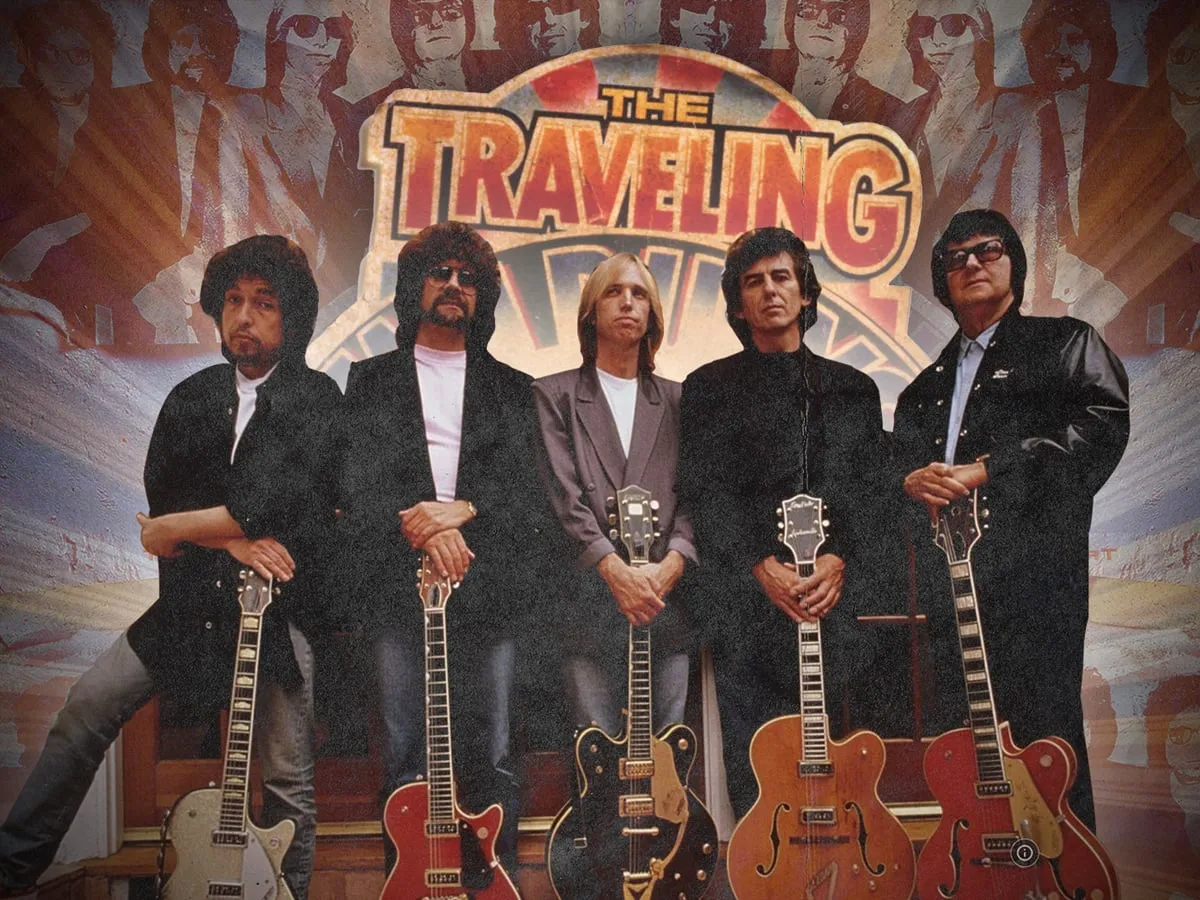
When you bring legends to the table, you know you need an A-game. The formation of the Traveling Wilburys was almost a stroke of divine luck, but the resulting album was pure magic, born from the collaboration of some of music’s most unforgettable voices.
Bringing stars like Roy Orbison and George Harrison together inevitably invites a challenge: how do you capture genuine fun without sounding cheesy? The task was to create something substantial, yet effortlessly breezy. Despite working with extremely limited time, the debut album unfolded as a collection of tunes that felt instantly accessible, perfect for strumming in a rocking chair, whether you were listening to a playful track like Dirty World or a more heartfelt ballad like End of the Line.
Roy Orbison, with his signature golden voice, naturally became the focal point of the group. Even if he didn’t bring the lyrical chops of a Dylan or the songwriting depth of Harrison, his presence alone was enough to send every song he touched into the stratosphere. His vocal delivery provided the essential, soaring element that defined the entire project.
The collaboration extended beyond the core quartet. Lynne Preston, a key figure in the group, brought her creative energy to the table, co-writing and producing several tracks, including pieces like You Got It. This partnership ensured that Orbison was not just a guest, but a central figure, receiving a legacy-worthy sound that honored his reputation.
The true genius of the project lay in balancing the weight of legend with contemporary appeal. The challenge was making a record that stood alongside classic rock while still offering a fresh reason for listeners to embrace the artists as modern contemporaries. It was about more than just wheeling out famous names; it was about crafting new music.
This balancing act was perhaps best illustrated by the development of a particular track. There was a moment where the band felt a certain song, “Not Alone Anymore,” lacked the necessary punch to match the rest of the album. But rather than discard it, Jeff Lynne stepped in with a masterstroke. He transformed the track, turning it into a highlight, demonstrating the power of reinterpretation.
The change was subtle yet profound. Lynne experimented with chord patterns and stripped away the existing backing, allowing the melody to shine while shifting the emotional landscape. This adjustment gave the vocal—Orbison’s unforgettable voice—a completely new, richer emotional setting. It proved that even a track perceived as forgettable could be elevated into a centerpiece.
Ultimately, the success of the album hinged on the vocal performances. While the group might have experienced some fatigue by their second release, the most enduring element was the sheer force of Orbison’s delivery. The songs provided connective tissue, ensuring that the album remained resonant, proving that a truly magical collaboration can create music that transcends time.
Buy on Amazon
Credit
