The Who and Daltrey’s belief in superior bands
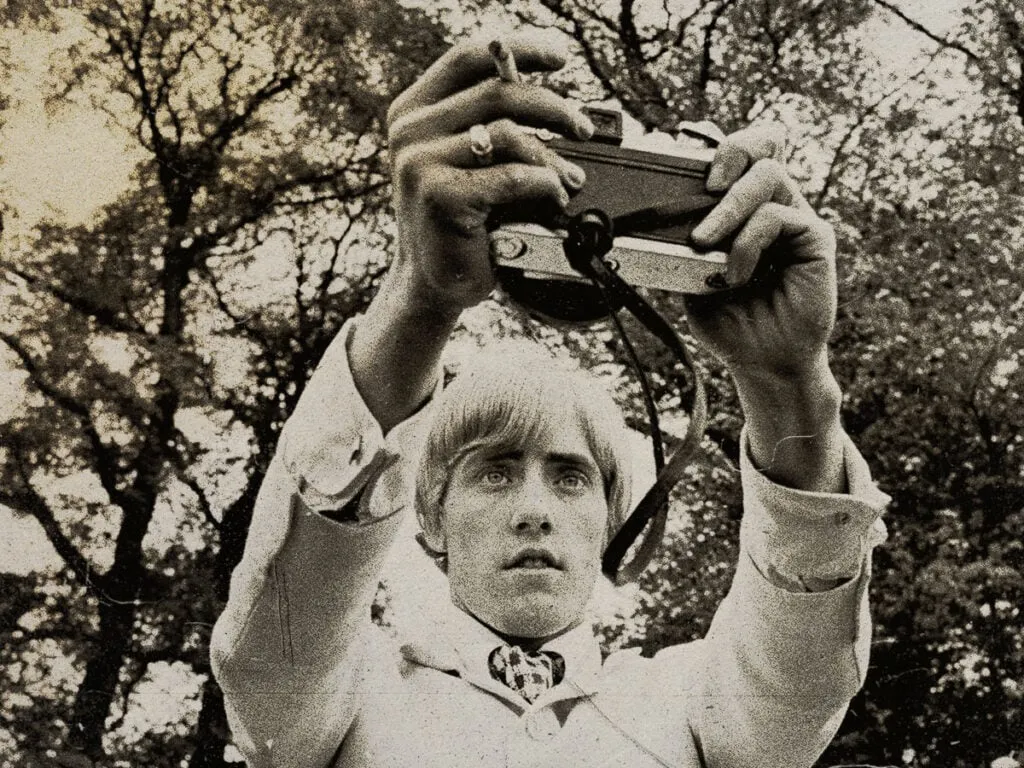
The 1960s weren’t just a decade; they were the seismic shift that cemented rock ‘n’ roll as a global phenomenon. While countless bands emerged, the United Kingdom became the epicenter of this explosion, nurturing a wave of innovation that redefined music and culture worldwide. At the heart of this seismic shift were titans like The Beatles and The Rolling Stones, whose influence echoes across every genre that followed.
These two acts dominated the early landscape, leading the charge in bringing the sound of British rock to the American charts. They masterfully navigated the psychedelic demands of the era, maintaining a hitmaking allure that captivated listeners and pushed the boundaries of what popular music could be. Yet, the decade was far from settled. Alongside these giants, bands like The Who and The Kinks emerged, carving out their own massive fanbases by offering nuanced and distinct approaches.
As the decade progressed, the competition intensified. With The Beatles stepping away from the live game by 1966, opportunities arose for other groups to assert their dominance. The Who, in particular, channeled this energy into a performance style that was raw, destructive, and utterly unforgettable, exemplified by Pete Townshend’s trademark guitar theatrics on stage.
The enduring debate over who reigned supreme among the British giants continues to simmer even today. Decades after their rise, arguments about the superiority of The Beatles versus The Stones remain a spirited discussion. Even some members of the legacy, like Paul McCartney, have weighed in, acknowledging the distinct strengths of each group. McCartney noted that while The Stones were rooted in the blues, The Beatles possessed a broader artistic scope and greater success.
The tension between the two is fascinating because each band offers a different kind of musical mastery. The Rolling Stones, defined by their deep roots in the blues, are celebrated for their enduring showmanship and their status as living legends. Mick Jagger himself asserted their unmatched longevity, claiming that The Stones possess a timeless presence that transcends mere musical trends, noting that they are still playing in stadiums while their rivals never even achieved that feat.
This dynamic was reflected in the perspective of fellow rock icons. Roger Daltrey, the frontman of The Who, offered a colourful analogy, suggesting that the comparison between the two bands was akin to comparing cheese and apples—both tasty, but serving entirely different purposes. Despite this playful comparison, Daltrey deeply respected the influence of The Stones, recognizing their role in creating the blueprint for bands like The Who, and appreciating the sheer entertainment value they delivered.
Ultimately, the story of the 1960s rock scene is one of interconnected brilliance. The Stones laid down a foundation of raw, blues-infused power and unparalleled stage presence, while The Beatles expanded the artistic boundaries of what rock music could be. Bands like The Who then took that foundation and used it to push the boundaries further, popularizing formats like the rock opera and demonstrating that musical genius could conquer the arena.
Buy on Amazon
Credit