The song that silenced John Bonham’s stage fright
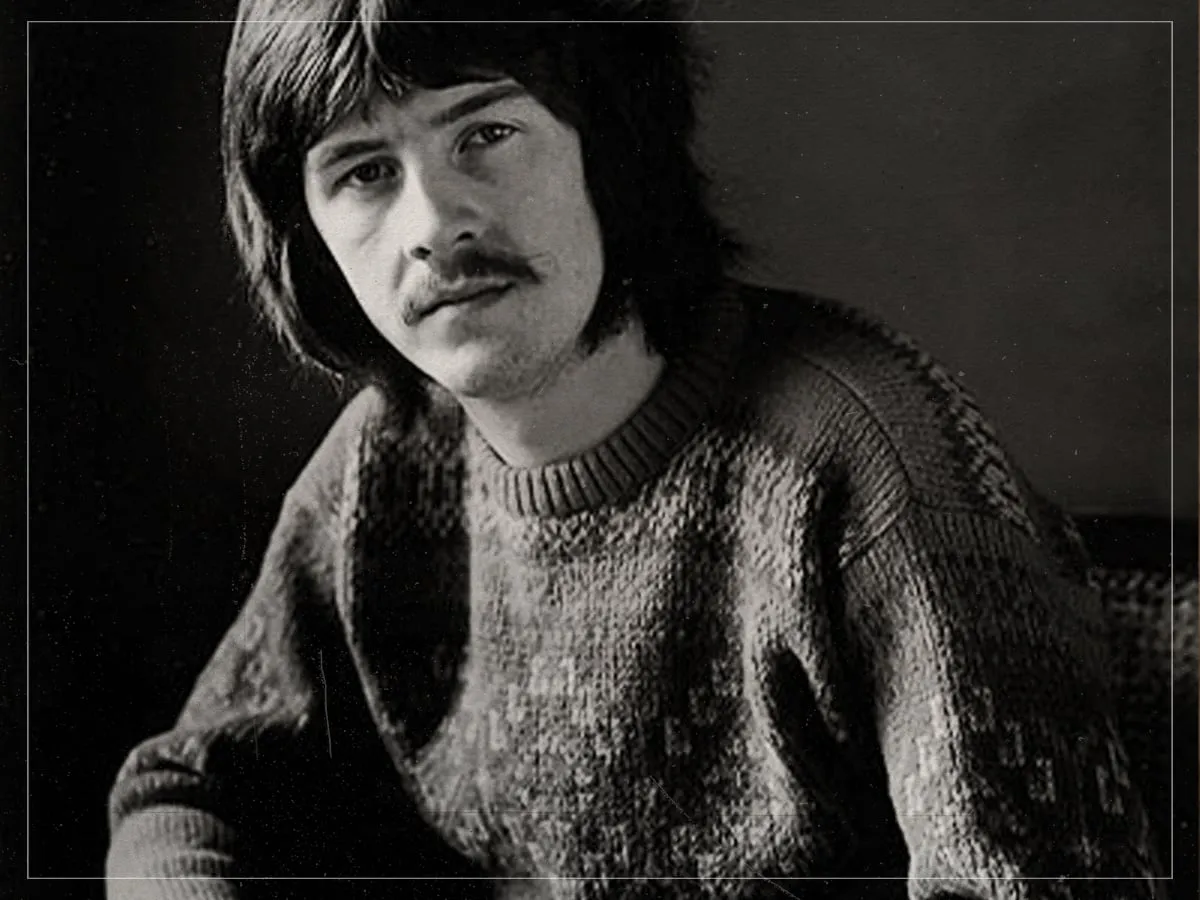
When you look back at the seismic impact of Led Zeppelin, it’s easy to see them as ethereal rock and roll valkyries—mythic figures whose existence seems almost removed from the mundane. Yet, peeling back the curtain reveals something far more relatable: behind the earth-shattering riffs and wild antics, these giants were, at their core, just ordinary people grappling with the same human anxieties we all experience.
While the music they created was monumental, the men behind the sound were not grown in some rock and roll lab. They navigated the pressures of life, just like us. Jimmy Page, the untouchable mastermind, lived a fairly normal life in Hounslow. His mum would ring up Immediate Records asking when he’d be home for tea, a perfectly ordinary moment that underscores the very human reality underpinning their legendary status.
The band were undeniably some of the finest musicians in their field, often regarded as the best. But their greatness wasn’t solely musical; it was rooted in their shared vulnerability. They were subject to the same doubts and anxieties that plague everyone.
One defining challenge for the group was conquering stage fright, especially when they transitioned from playing in small rooms to performing for massive arenas. For the drummer, John Bonham, the nerves were a constant companion. He admitted to experiencing terrible nerves regularly, feeling anxious about playing poorly. However, the magic that made their live performances unforgettable often lay in the rhythm itself.
The song “Rock And Roll“, released in 1972, quickly became an unintentional cure for Bonham’s stage fright. This iconic track provided a comforting, driving backdrop that seemed to banish doubt, allowing him to unleash his true, spectacular drumming ability. It was this song, more than any other, that became an inseparable part of Led Zeppelin’s undeniable appeal.
This dynamic extended to the entire group. Bonham shared that while anxiety is tricky to manage, the collective found ways to cope. Some opted for restless pacing or lighting a cigarette before a gig. Yet, the band showed a profound respect for the art of live performance, refusing to indulge in pre-show drinking. Instead of succumbing to the typical rock and roll excesses, their pre-gig ritual often involved finding a quieter, more grounded space—like sitting and drinking tea in a caravan, surrounded by the collective feeling of being “Far out”.
These seemingly small, human rituals—the shared anxiety, the reliance on music to calm the nerves, and the preference for simple, respectful routines—are what truly define the enduring legacy of Led Zeppelin. They remind us that even the most celebrated rock gods were simply men, finding solace and focus in the common experience of being alive.
Buy on Amazon
Credit