The song that kept the Eagles band together in 1975
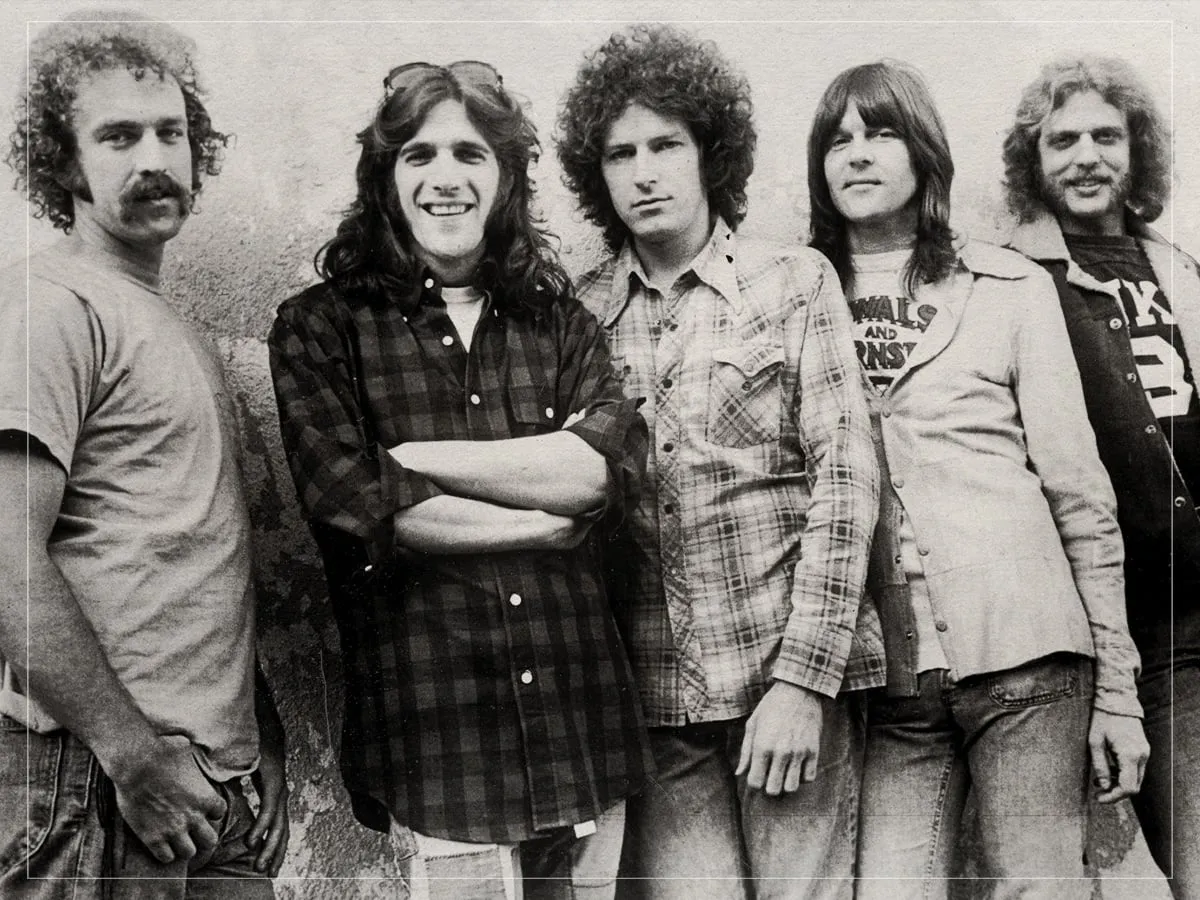
When the world first heard the smooth, sun-drenched sound of the Eagles in 1972 with their debut single Take It Easy, they weren’t just releasing music; they were selling an entire West Coast lifestyle. They offered a vision of laidback living and sunset cocktails that captivated an audience worldwide.
This initial success positioned the band as cultural icons, but beneath the shimmering surface of their harmonies and golden imagery, a more complex narrative was unfolding. The ascent to the top was not without its turbulence, as the creative process quickly gave way to internal power struggles that threatened to overshadow the music itself.
The friction began behind the scenes. While the music flowed effortlessly, the band members wrestled with creative control. The cool sunshine vibes of the Eagles were belied by frosty tension, as internal rivalries began to surface.
As the group evolved, songwriting responsibilities became a flashpoint. While Glenn Frey was credited with the debut hit, as the band progressed, Don Henley became increasingly integral to the creative process, often collaborating with Frey on tracks like Desperado. This shared authorship, however, generated considerable resentment among the members.
In this dynamic environment, the contributions of other members, particularly Bernie Leadon, often found themselves relegated to the background. Despite Leadon’s instrumental prowess—his command of the banjo, mandolin, and guitar provided much of the band’s instrumental character—his songwriting voice often struggled for recognition.
For a founding member, having a composition included on an album felt less like a creative contribution and more like another decision being made without full input. This feeling of being sidelined intensified as the band pursued further commercial success.
This tension reached a critical point with the release of their fourth album, One of These Nights. Leadon managed to secure two of his compositions, Journey of the Sorcerer and I Wish You Peace, to appear on the record. While these tracks were not the strongest on the album, their inclusion signaled a deeper conflict.
The decision to include these tracks, particularly the final one co-written by Leadon and his girlfriend, was reportedly a political move by the group. Don Henley, along with the rest of the band, ultimately felt these contributions were not up to the group’s standards. Henley admitted that they included the tracks simply as a gesture to maintain the band’s cohesion.
Yet, the inclusion of Leadon’s work caused a rift. Leadon reportedly leveraged his creative input, stating that if the songs hadn’t been recorded, he would have taken more drastic action. This move, though seemingly aggressive, was a desperate attempt to ensure his voice was heard amid the growing discord.
Ultimately, the internal struggle was a stark reminder that behind the polished façade of the Eagles’ commercial success lay genuine creative competition. Keeping certain tracks on the album was less about artistic merit and more about managing the pressures of a group that was, at its core, fighting for power.
Buy on Amazon
Credit