The Old South Park is back for one episode
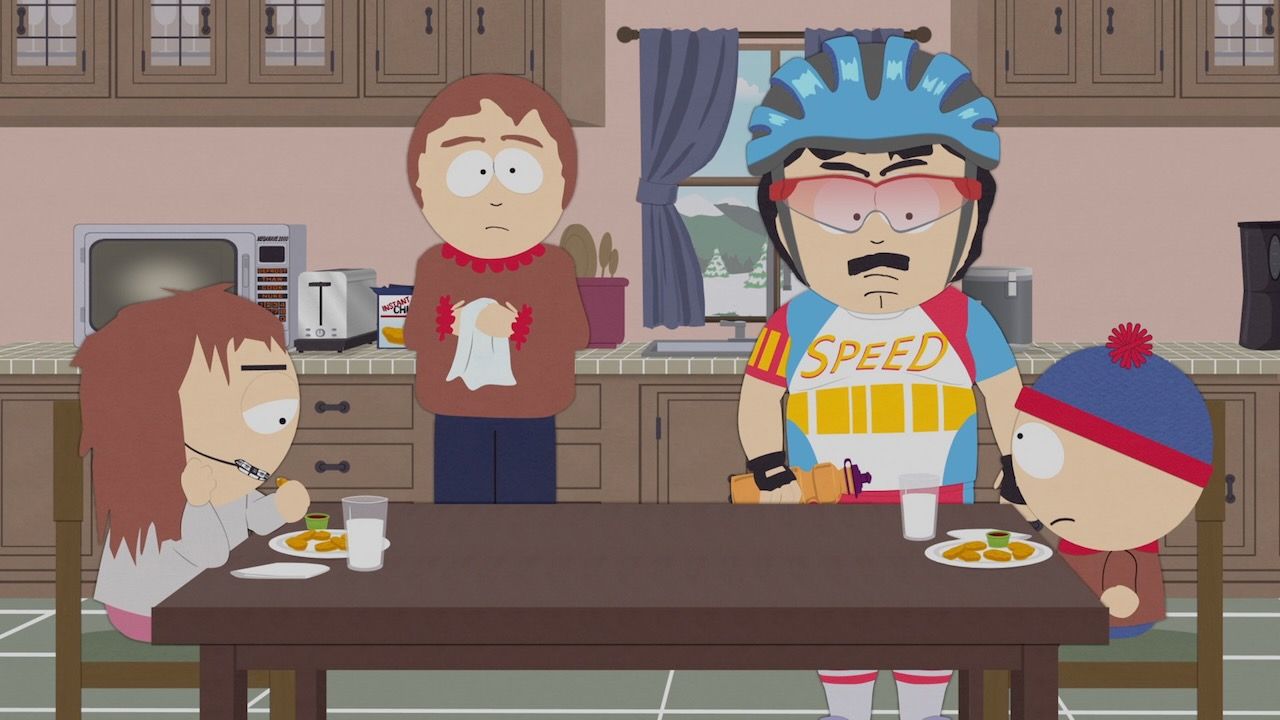
The South Park Paradox: Award Season Triumphs and the Nostalgia for Simple Beginnings
There is a certain buzz surrounding the recent recognition of South Park, which has successfully navigated the currents of contemporary political satire to secure an Emmy Award for Outstanding Animated Series. The show’s ability to blend sharp social commentary with its signature absurdist humor has cemented its place in television history.
Yet, amidst the celebration of this contemporary success, a fascinating paradox emerges within the devoted fanbase: a deep, almost aching yearning for the show’s earlier iterations. Many viewers find themselves longing for a simpler era of storytelling, specifically for those nostalgic, single-episode storylines that focused intensely on the core dynamics of the boys.
This desire isn’t just about revisiting old episodes; it speaks to a fundamental shift in how audiences connect with long-running animated comedies. When the focus shifts, the emotional resonance changes. Fans often miss the tightly focused narratives where the chaos and humor derived purely from the unique, established personalities of the main characters, without the heavy political overlay.
Think back to the early seasons where the humor was rooted in the pure, unadulterated relationships and conflicts between Stan, Kyle, Cartman, and Kenny. These episodes offered a pure dose of juvenile mayhem, a time when the comedy was simply about the boys themselves, rather than serving as a vehicle for external commentary.
The appeal of these earlier formats lies in their concentrated storytelling. A single-episode focus allows the creators to dive deep into character development and the exquisite awkwardness of childhood experiences. It’s a form of narrative purity that some viewers feel has been diluted by the demands of modern television.
The question then becomes: how do we balance the artistic evolution of a show—allowing it to tackle complex, adult themes—with the comfort of its roots? The tension between the current, award-winning satirical success and the nostalgic craving for those focused, character-driven stories highlights the ongoing, complex relationship between a show’s history and its future.
Ultimately, whether one cherishes the sharp, timely commentary of the present or the pure, distilled humor of the past, the enduring power of South Park lies in its ability to continue exploring the messy, hilarious, and often absurd realities of growing up.
Buy on Amazon
Credit