The Kinks waited 50 years for their indie record
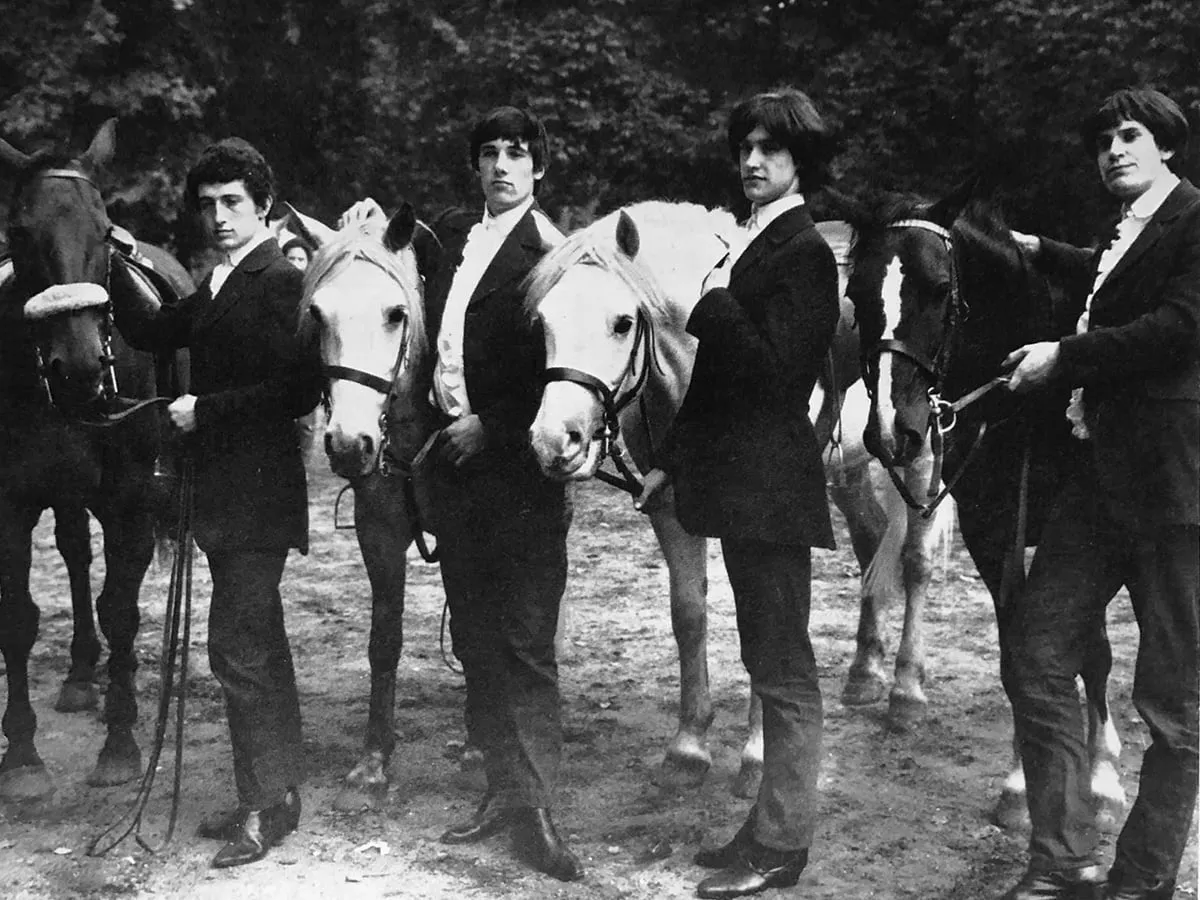
The Kinks exploded onto the scene in 1964, hitting number one in the UK almost instantly. But for a band built on raw, visceral sound, chart success doesn’t automatically guarantee immortality; it often comes with a heavy burden of expectation. Their early momentum, fueled by tracks like You Really Got Me, was seismic. It didn’t just top the charts; it acted as a sonic blueprint, launching garage rock into the spotlight and foreshadowing the jagged energy of punk rock a decade later. They were poised to be the band that would redefine modern music, but the pursuit of fortune began to shade the edges of their artistic vision.
The early hits demonstrated their undeniable talent, yet the band quickly realized that the formula for success didn’t have to be rigid. Following up their initial smash, they released singles that proved Ray Davies’ musical instincts were far broader than a simple hit machine. Tracks like All Day and All of the Night showed a willingness to explore new territory. Davies wasn’t content to stick to one sound; he allowed the band to venture into more jangly pop and psychedelic leanings with songs such as Tired of Waiting for You and Sunny Afternoon.
Despite achieving three number one hits on home soil by 1966, the relentless pressure to maintain commercial relevance began to weigh heavily on frontman Ray Davies. He started feeling jaded by the necessity of writing hits that aligned with external expectations rather than personal creative impulses. The quest for wider fame, however, was complicated by external obstacles; a dispute involving a union official during a 1965 tour in the United States led to the band being barred from entering the country.
This period of navigating fame and external constraints led Davies to a profound internal shift. Reflecting on these years, he ultimately decided that chasing the spotlight was no longer worth the cost to his artistic freedom. Instead of seeking more chart success, he redirected his focus inward, determined to create something purely authentic.
This resolve culminated in the recording of The Kinks are the Village Green Preservation Society. This album became less about hitting sales figures and more about an act of rebellion. It was a deliberate pivot, a declaration that they wanted to create music defined by their own terms, free from the constraints of pop trends and commercial demands.
Davies argued that this shift wasn’t burnout, but a conscious choice to repress the competitive instincts that had previously driven him to write singles. Instead of aiming for the next hit, he aimed for an uncompromising vision. He saw the constraints as a punishment for the band’s raw, honest material, feeling that they had received a raw deal and deserved to be judged by their own standards.
Ultimately, Village Green stands as a monumental achievement. It represents a final stand for English ideals, rooted in the bucolic beauty of country life, rather than chasing American pop formulas. By embracing the record as an indie statement—a work that was, and remains, a giant failure in the charts—The Kinks managed to shed the pressure of popularity. It proved to be a liberating force, allowing them to do exactly what they pleased and define themselves not by fleeting trends, but by their enduring, uncompromising artistic truth.
Buy on Amazon
Credit