The Edge finds his voice as a musician
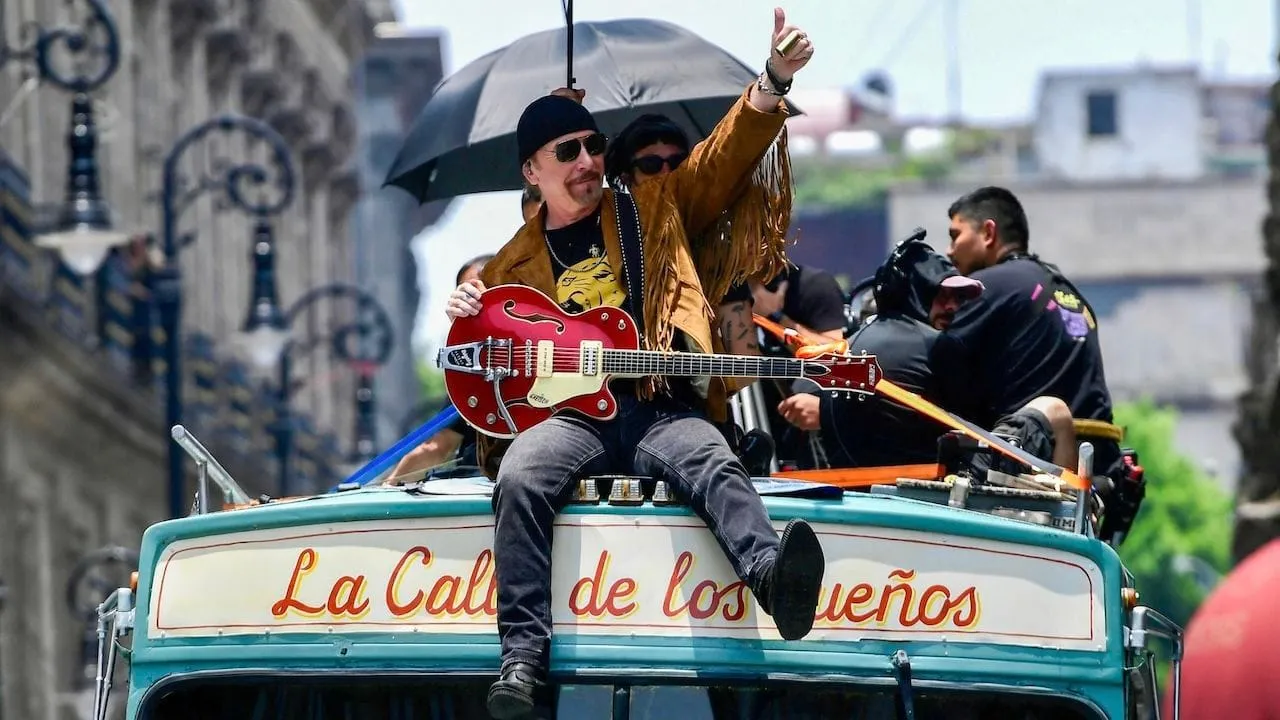
To talk about the legacy of The Edge, one must first set aside the notion of the conventional ‘guitar hero.’ At 65, the legendary musician approaches the instrument not as a master of technique, but as a relentless seeker of a new way to communicate. His journey is a testament to the idea that true artistry lies not in mastering existing forms, but in daring to dismantle and rebuild them.
The Edge’s approach to music is rooted in a revolutionary spirit. Emerging from the crucible of punk rock, he saw an opportunity to pull everything down and start again. This cycle of Order, Disorder, Reorder, and finally arriving at the beginning of the reorder phase defined not just his band’s sound, but his philosophy about the role of music itself. It is this dynamic energy that fuels his ongoing creative determination.
When reflecting on his path, The Edge notes that the shift in perspective began long before the iconic riffs. It started with simply picking up an electric guitar at fifteen, playing covers, and then being overwhelmed by the music surrounding him. This experience forced a critical pivot: the focus shifted from mere technical ability—asking ‘Can you play this lick?’—to a deeper inquiry: ‘What are you saying with your instrument? What is being communicated in this song?’
This fundamental change redefined how he viewed his craft. He realized that the guitar was not merely a tool to be manipulated or a series of gymnastics; it was a voice. He began to challenge the established norms of what the electric guitar was supposed to be, seeking to disrupt the expected sound rather than adhere to it. This quest led him away from the predictable sounds of the time and into something far more expressive.
The result was a distinctive style born from deliberate deconstruction. Rather than pursuing purity, The Edge aimed to deliberately mess with the sound, injecting character and a raw edge that was entirely his own. He started finding that certain notes carried immense power, suggesting that musicality isn’t about volume or speed, but about choosing the notes that carry the most meaning.
This philosophy is clearly reflected in his latest work. The follow-up album, Carnaval de Luz, continues this exploration, described by The Edge as “a messy, provocative, sacred collection of songs.” The project promises the ecstatic rhythms and loud guitars listeners have come to expect from his work, yet it remains deeply rooted in his commitment to creating something entirely new.
The Edge remains a powerful example of a musician who refuses to rest on laurels. His continued pursuit of a unique sonic language confirms that true mastery isn’t found in repetition, but in the constant, exhilarating act of challenging the boundaries of sound.
Buy on Amazon
Credit
