The Crow’s tragic real-life story and dark visuals
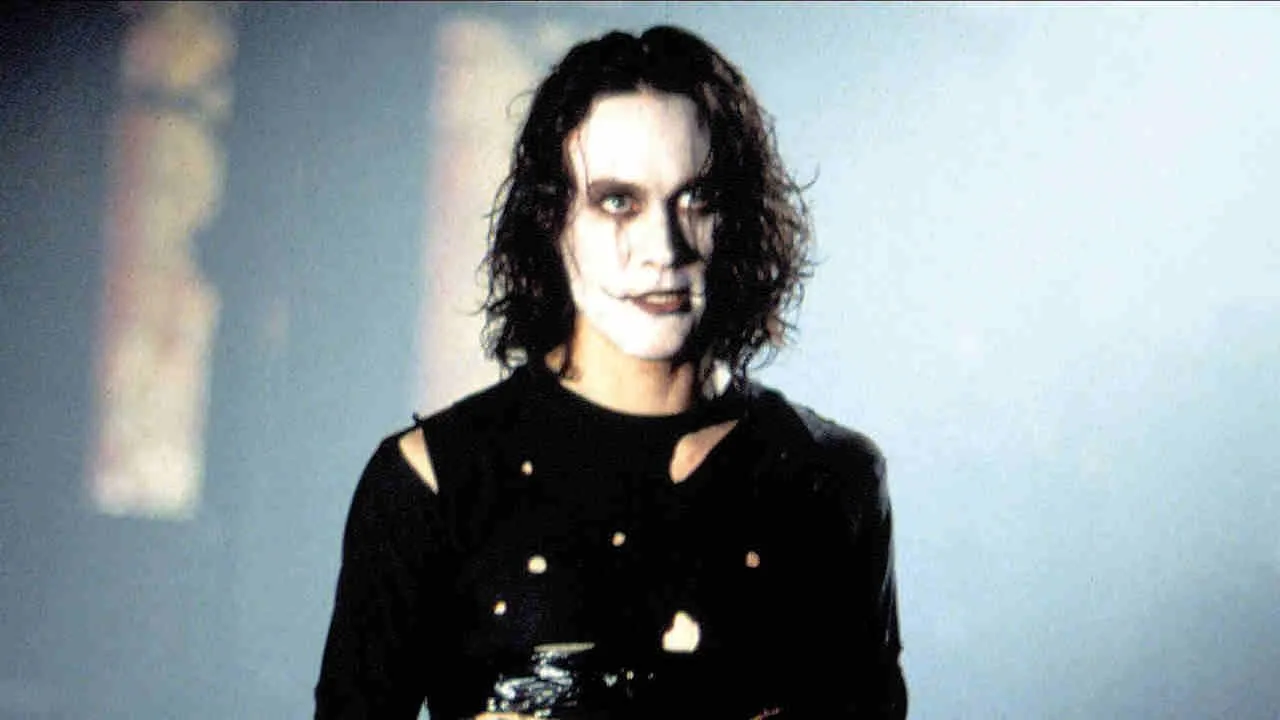
When comic book creator James O’Barr licensed The Crow to a movie studio for a mere 1,500 dollars, he never anticipated that his vision would blossom into an enduring gothic touchstone.
The genesis of the story lies in profound personal tragedy. Written over nine years, the original comic book followed the journey of Eric Draven, a young man resurrected to seek vengeance for the murder of his fiancée. The panels were steeped in anguish, depicting Eric as a vengeful figure stalking the rainy streets of a retro-noir city.
O’Barr’s own life had been irrevocably altered by loss. His fiancée, who was the opposite of his dark temperament, was killed in a senseless act. This grief fueled his artistic journey. Seeking solace, O’Barr retreated to Berlin in 1978, a period dominated by the tensions of the Cold War. Amidst this isolation, he found his artistic outlet, drawing inspiration from the dark, brooding soundscapes of post-punk and goth bands like Joy Division and Bauhaus.
His surroundings mirrored the narrative he was creating. The dank streets of Berlin, devoid of sunlight, became the backdrop for Eric Draven’s story, echoing the somber mood of the music he absorbed. It was this atmosphere—anger, darkness, and profound sorrow—that bled onto the page.
In 1980, O’Barr began sketching the character of Eric Draven, drawing him with the flair of Iggy Pop and a touch of the Berlin darkness. Six years later, as he relocated to Michigan and worked a demanding job at a Ford dealership, the comic book found a small audience. It arrived in 1989 as a cult success, setting the stage for its cinematic evolution.
When Hollywood finally took notice in 1992, the studio was eager to cash in on the dramatic potential. They brought in Brandon Lee, a charismatic and rising star, to embody the vengeful antihero. O’Barr was initially hesitant about Lee, finding him too sweet for the role, but he was won over by Lee’s humble presence on set. The production itself embraced the moody aesthetic, shooting under miserable conditions and fostering a genuine connection among the crew.
However, the pursuit of this dark vision was tragically derailed on March 31, 1993. During filming, Brandon Lee was killed in an accident involving a stunt gun. The event, compounded by the existing shadows of the Cold War era and the unsettling rumors surrounding Bruce Lee’s earlier passing, cast a long, dark shadow over the production.
Despite the unimaginable loss, the project found a way forward. With the permission of Lee’s family, the crew returned to work, adding an astonishing $8 million to the budget and employing cutting-edge visual effects. They meticulously recreated the film in memory, turning the tragedy into a powerful, haunting piece of cinema.
When The Crow finally premiered in May 1994, it was an immediate cultural phenomenon. It topped the box office and became a touchstone for a burgeoning alternative culture. Critics lauded its dark visuals, noting how the film perfectly channeled the emerging industrial and post-punk zeitgeist. It arrived at the right moment, pushing dark fashion and moodiness into the mainstream.
The film resonated deeply because it provided a cathartic experience. As one reviewer noted, the movie was a heavy-metal, occult revenge thriller, complete with dreamscapes reminiscent of Blade Runner and Batman. It tapped into a collective yearning for something intensely dramatic and gothic.
Though the story spawned forgettable sequels and a less successful reboot, the original vision endures. The Crow, much like its protagonist Eric Draven, remains a powerful reminder that even from the deepest sorrow, something magnificent can emerge.
Buy on Amazon
Credit