The Beatles’ collapse and their final masterpiece
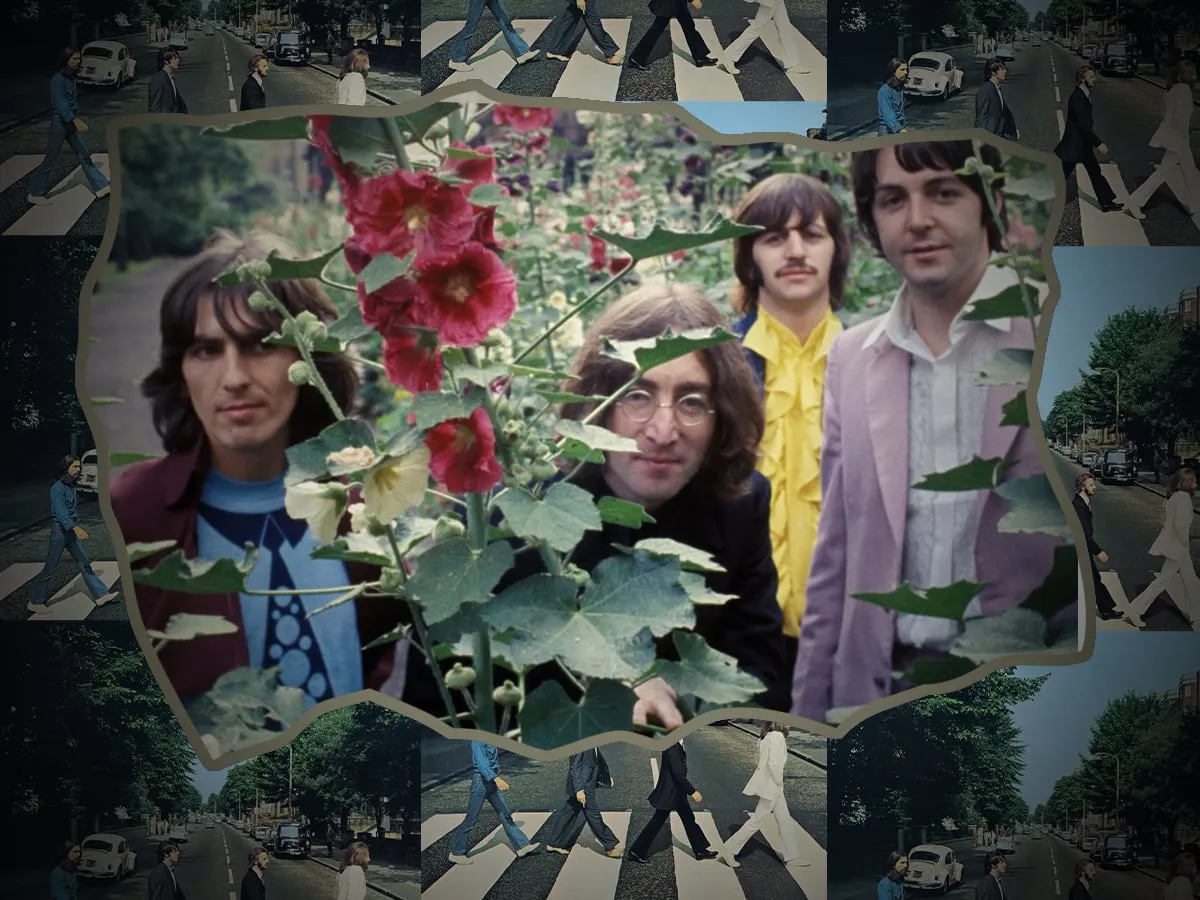
The story of John Lennon and Paul McCartney is more than just a collection of hit songs; it is an epic tale of ambition, collaboration, and sheer creative force. When they chose to share the credit for their masterpieces, it wasn’t an accident, but a deliberate declaration of their aspiration to reach the heights of musical theatre legends like Rodgers and Hammerstein.
They knew the world celebrated the names of others, but they decided to carve their own identity in music. This joint songwriting partnership, fueled by pure exuberance from Liverpool fete celebrations to the smoky confines of Hamburg nightclubs, became a crucible that forged two of the most celebrated and heralded songwriters in history.
The evolution of their craft is reflected in their output. Early works, like the simple, catchy “Love Me Do,” showcased a youthful innocence. By the time they tackled more complex material, their songs demonstrated a remarkable leap in maturity and complexity, showing how quickly their artistic vision could deepen.
One such masterpiece that perfectly encapsulates their genius is “Because.” This track is not merely a song; it is a fascinating glimpse into their unique, often unconventional, creative process. While many perceive the lyrics as straightforward, the song’s true magic lies in its layered construction.
The genesis of “Because” involves a peculiar anecdote. While John Lennon was reportedly inspired by experimenting with the chords of Beethoven’s “Moonlight Sonata,” Yoko Ono played the piece backward on the piano. This unexpected musical detour provided the spark for Lennon’s odd, yet brilliant, lyrical idea. The resulting lyrics, he noted, were wonderfully clear—no obfuscation, just pure feeling.
However, the creation of the song extended far beyond a single inspiration. The recording of “Because” on the Abbey Road LP was an extraordinary exercise in synchronized effort. It was an ‘all hands on deck’ operation that demonstrated a level of precision and refinement that transcended the rough-and-tumble days of their early career.
The sound engineer, Geoff Emerick, recalled the painstaking process: to maintain sonic purity, no modern signal processing was used. Instead, the team meticulously managed the dynamics by manually adjusting the faders, carefully following the emotional arc of each word and syllable. This required incredible concentration from everyone involved, including the patient guidance of Ringo Starr, who was reportedly sitting quietly, silently urging his bandmates toward perfection.
In the final moments of their partnership, the recording of “Because” served as a final, intense demonstration of teamwork. It was a remarkable feat of concentration that captured the collaborative spirit of The Beatles at their finest, illustrating how they navigated personal differences to achieve an undeniable artistic peak.
Buy on Amazon
Credit