The band calls Rick Rubin the worst
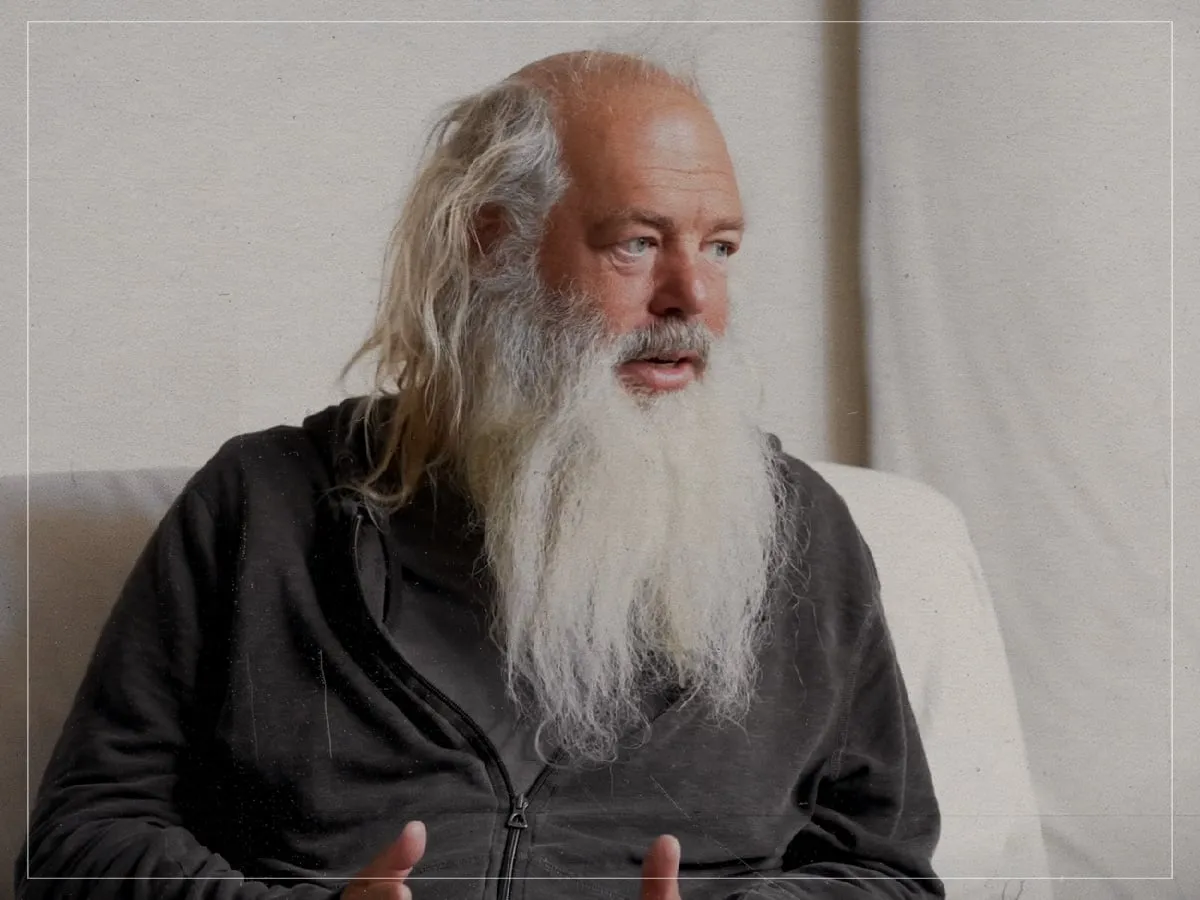
Rick Rubin was always searching for the perfect musical pairing, regardless of genre. Whether it was country, punk, or hip-hop, his goal was always to find music that evoked a genuine feeling. In the crowded history of rock bands, he admitted that few matched the raw, unadulterated power of AC/DC.
This wasn’t just an observation; it was a strong statement. While many rockers chased complexity and a million notes per second, the Australian legends embraced a far more rudimentary rock and roll. For Rubin, this simplicity held a potent swagger—a powerful attitude that transcended mere technical flash.
Yet, the magic of the AC/DC sound was inextricably linked to the monumental work of Mutt Lange. Together, they crafted some of the greatest rock songs ever recorded, a collaboration that set an impossible standard.
However, as Lange stepped away from the production chair, Rubin recognized an opportunity to keep that momentum burning bright. If the formula was to maintain the relentless energy, the next step required a different kind of approach.
When Rubin took the reins, his production style echoed that desire for simplicity, but the results with Ballbreaker hinted at a disconnect with the hard rock legends. The producer understood that for bands built on pure performance, the best way to capture their essence is to let them play until that feeling is captured.
This dynamic often caused friction. Malcolm Young, a key figure in the group, offered a candid view of the experience, suggesting that Rubin’s involvement raised some eyebrows. He claimed that Rubin seemed unsure of the process, focusing intently on details like the snare drum, and remarked that Rubin felt like a “phoney” rather than a true rock and roller.
Despite these reservations, the outcome speaks louder than the critics. When you have world-class talent in the studio, the most crucial element is allowing that talent to shine. The energy in AC/DC‘s music was undeniable, and that raw power was the ultimate sound.
Ultimately, the debate over technical perfection versus authentic feeling dissolves when you consider the reality of studio collaboration. The most important thing is that when the riffs kick in, the stars are free to simply be themselves, letting their collective energy dictate the sound.
Buy on Amazon
Credit