The album that signaled the Eagles’ downfall
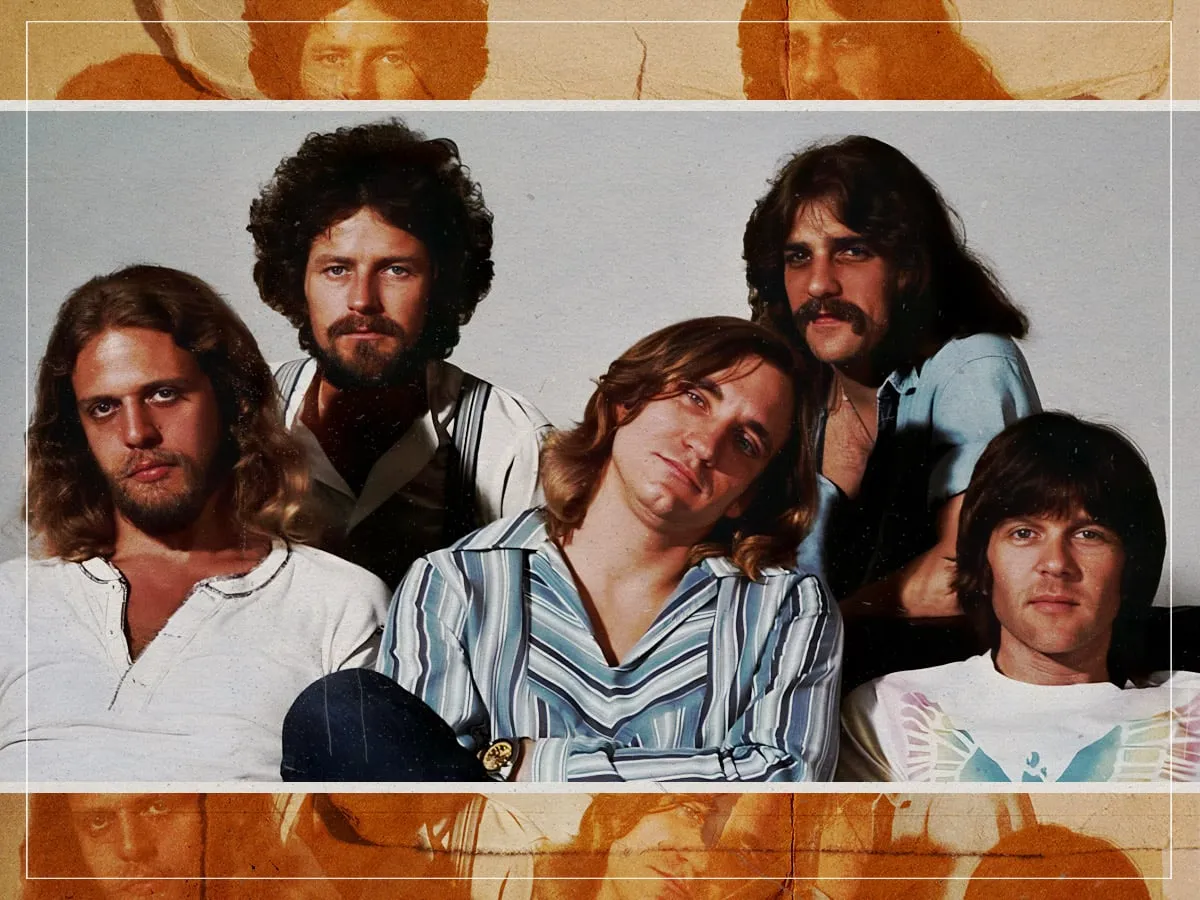
The journey of the Eagles is often framed by the smooth, sun-drenched sound of their music, but behind the polished harmonies lies a more complicated story: the creative friction that birthed one of rock history’s greatest acts. From the very beginning, the formation of the Eagles was less a harmonious assembly and more a delicate balancing act between four distinct artistic wills.
Don Henley, the band’s primary architect, always aimed for a group that could compete with the very best. Yet, achieving this vision required navigating the choppy waters of internal disagreements. When they started crafting their sound, the tension was already palpable, a force that would define their trajectory.
Their self-titled debut album, while immensely successful, serves as a perfect snapshot of this dynamic. This was not a singular vision led by one dominant voice, but a collective effort where all four original members possessed the talent to sing and write. While this arrangement seemed ideal on paper—a mosaic of individual strengths—it simultaneously created a tightrope walk. Every decision carried the weight of personal preference, leading to inevitable conversations about contributions and musical direction.
The path to creating a cohesive body of work was anything but smooth sailing. It required managing a spectrum of ideas, and as Henley reflected, trying to harmonize different perspectives among musicians proved immensely challenging. There were moments when achieving creative consensus meant making compromises, and the process was fraught with the difficulty of managing diverse talents that sometimes clashed.
This creative friction was woven into the fabric of the record. Tracks like Desperado were conceptually strong, but the overall cohesion required careful steering. Even as they pursued their magnum opus, Hotel California, the backstabbing moments behind the scenes were a reality that didn’t go unnoticed by the members involved.
Henley keenly recognized that the group’s internal dynamics were the real engine driving their evolution. He foresaw the difficulties inherent in collaborative creation, noting that while variety and contrast are beneficial, they must be harnessed coherently. He admitted there would be real problems concerning the division of labour—a clear indication that ‘too many chiefs’ were vying for direction.
Even seemingly minor decisions reflected this tension. Henley pointed to small choices, such as adding sound effects to the record, describing the decision as “corny,” illustrating how differing viewpoints could influence the final product, leaving some feeling that the album had veered off course.
Despite these internal battles, the sheer hard work of the group resulted in music that sounds remarkably laid-back and breezy. This smoothness wasn’t accidental; it was the result of intense collaboration and the determination to strive for a unified sound, even amidst the noise.
Ultimately, the Eagles’ story is a testament not just to musical genius, but to the complex reality of group dynamics. They managed to channel their internal conflicts into a cohesive, enduring body of work, proving that sometimes, the most captivating art emerges from the very process of conflict.
Buy on Amazon
Credit