The 1997 movie that sparked Winona Ryder’s imposter syndrome
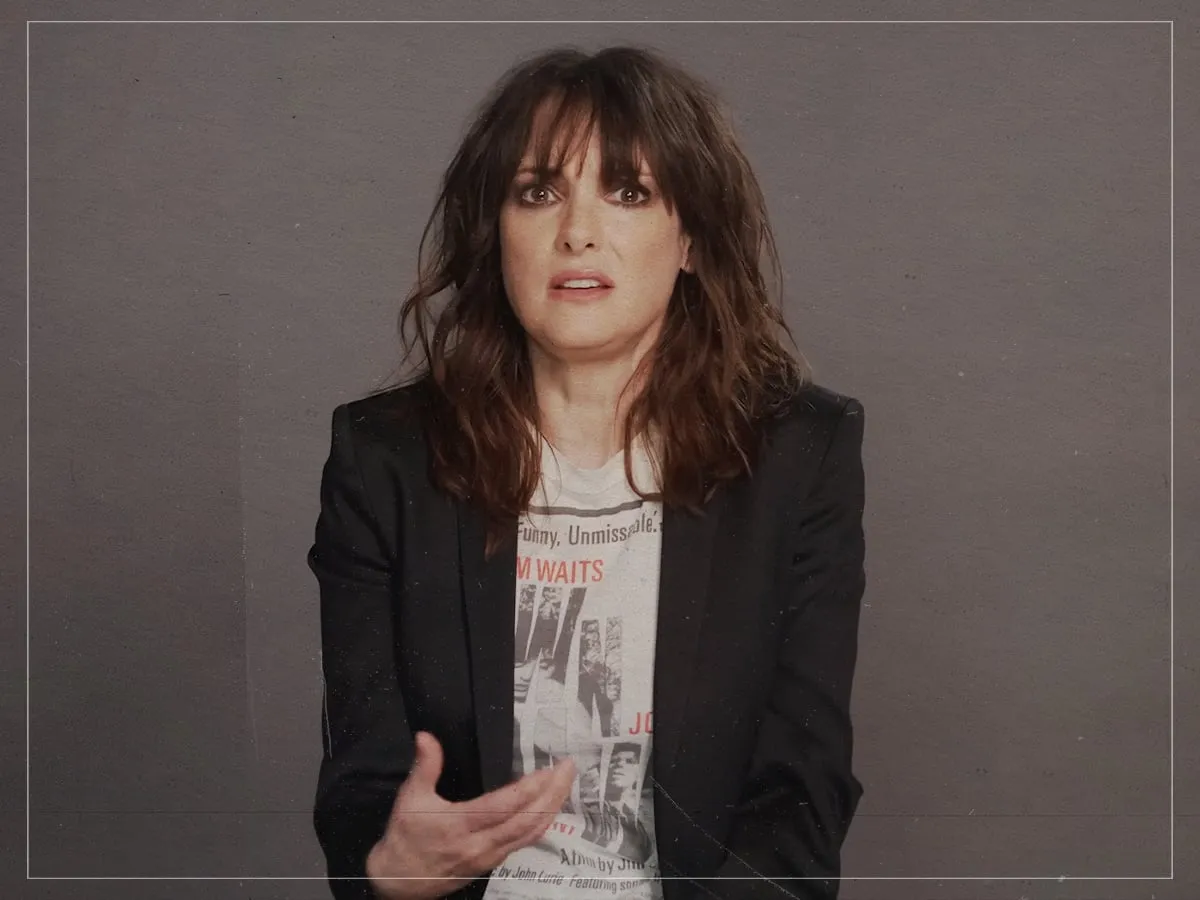
To be a star is often portrayed as a smooth ride, a seamless ascent into the spotlight. Yet, for many, the reality involves navigating a minefield of pressure, expectation, and internal doubt. For actress Winona Ryder, the journey from burgeoning talent to international icon was anything but smooth, especially when fame collided with deep-seated anxiety.
Ryder’s entry into Hollywood was anything but subtle. She burst onto the scene as a prodigy, forcing her way into the industry by sending videotaped auditions as young as fifteen. Producers in Los Angeles were astounded by her raw talent, describing her as a phenomenon. This early trajectory led quickly to iconic roles, including a performance in Square Dance, which paved the way for her casting in Tim Burton’s Beetlejuice. Soon after, her work in Heathers cemented her status as a fully fledged star, attracting widespread media attention.
However, behind the glamour of the early 1990s, Ryder was managing personal challenges that would eventually surface under the intense scrutiny of Hollywood. Years prior to her major acting roles, she had faced a life-threatening scare—nearly drowning at age twelve—an experience that left a lasting mark on her sense of self and her relationship with vulnerability.
This underlying anxiety became a significant factor as Ryder moved into demanding cinematic roles. The pressure of inhabiting a public persona, combined with personal history, created a complex tension that she would later acknowledge directly. This tension reached a critical point during her involvement in the massive science fiction franchise, Alien Resurrection, released in 1997.
Alien Resurrection presented a unique physical and psychological challenge. Ryder was cast as Annalee Call, a crew member aboard a doomed spaceship, requiring her to participate in a pivotal scene involving swimming through a flooded space station while being pursued by alien entities. The filming required weeks of elaborate setup in a massive water tank, an ordeal that tested her comfort level significantly.
This experience, while integral to the film, brought her personal struggles into sharp focus. Ryder later reflected on the episode, admitting the anxiety was palpable: “I just remember the first day I had a complete anxiety attack. I thought, ‘There’s no way. They’re just going to have to replace me.’”
The internal struggle extended beyond the physical demands of the scene. Ryder confessed that even after successfully navigating the physical challenge, the experience affected how she viewed her professional standing. She felt a profound sense of displacement, noting that she “couldn’t hold my own against Sigourney Weaver and those special effects.” She felt like “just this little girl running around,” struggling with a feeling of not belonging in the grand scale of the epic production.
Despite these internal hurdles, the film was a commercial success, earning approximately $100 million at the box office and receiving mixed critical reviews, though Ryder’s contributions were widely praised. Following this period, Ryder took time away from the spotlight, performing on stage, before returning to executive producing and starring in projects like Girl, Interrupted. Her career demonstrated a remarkable capacity to balance immense public presence with a very real, deeply personal sense of self.
Buy on Amazon
Credit