Tarantino’s Perfect Killer Movie
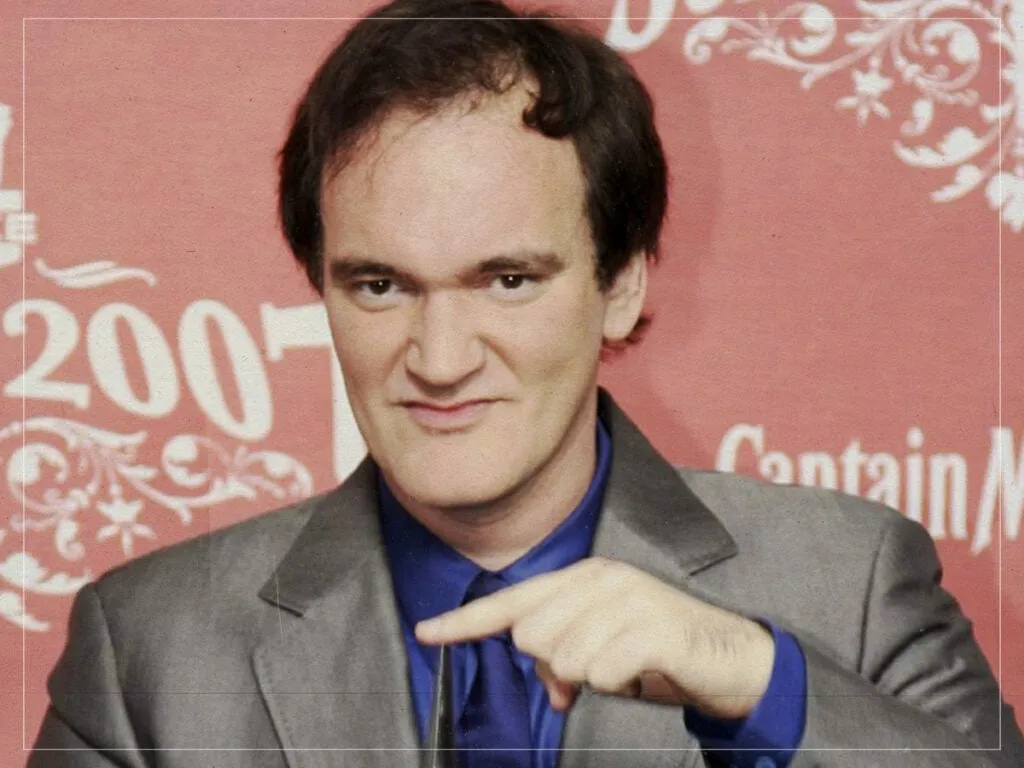
The pursuit of cinematic perfection is an elusive goal, often wrapped up in a word that sounds simple but means everything: perfect. When a filmmaker like Quentin Tarantino uses such a superlative, it immediately invites us to look beyond the surface polish and consider what truly makes a movie resonate.
While many might assume such a claim implies flawless execution from start to finish, the reality of filmmaking is far more nuanced. It is impossible to nitpick every frame, and ultimately, the enduring power of a film lies not in absence of flaws, but in the undeniable impact it leaves on the viewer.
Tarantino himself has pointed toward a specific moment in cinematic history where perfection seemed to flourish. He views the 1970s not merely as a decade, but potentially the single greatest era in cinema history, a sentiment that resonates with many who celebrate the era’s bold storytelling and revolutionary shifts.
This perspective is powerfully illustrated by his praise for Jaws. For Tarantino, this film isn’t just a summer blockbuster; it’s a masterclass in pure entertainment, adrenaline-pumping set pieces, and a masterful alignment between a director and his cast. It stands as a monument to cinematic mastery, holding up its quality even today.
But the notion of perfection in film extends beyond mere thrills. Tarantino’s high praise also surfaces when discussing The Exorcist, a film that remains a touchstone for horror and cinema alike. He argued that the film’s greatest achievement wasn’t simply convincing audiences that the devil exists, but rather its remarkable ability to explore complex themes. It successfully navigated the contentious waters of religious belief, suggesting that the film was more interested in exploring the possibilities of Catholicism itself, regardless of theological certainty.
What truly elevates The Exorcist, according to Tarantino, is its atmosphere. It’s a masterclass in tone—one-note, yet flawlessly executed. It is this lingering, unforgettable atmosphere that washes over the viewer, creating an emotional and psychological depth far exceeding the surface-level scares.
Even after years away from the work, Tarantino’s re-experience of the film confirms this sentiment. He found that the power of The Exorcist is rooted in its potent ambiance, making it one of the most important films of its era, regardless of whether one defines it by conventional standards of cinematic ‘perfection.’
Ultimately, the lasting legacy of films like The Exorcist isn’t about achieving an unattainable ideal of flawlessness. It’s about the profound impact they make—leaving a legacy that extends far beyond simply frightening audiences. For Tarantino, and for many admirers, true perfection lies in that unforgettable, resonant atmosphere.
Buy on Amazon
Credit