Stone Gossard and Mike McCready rock the guitar
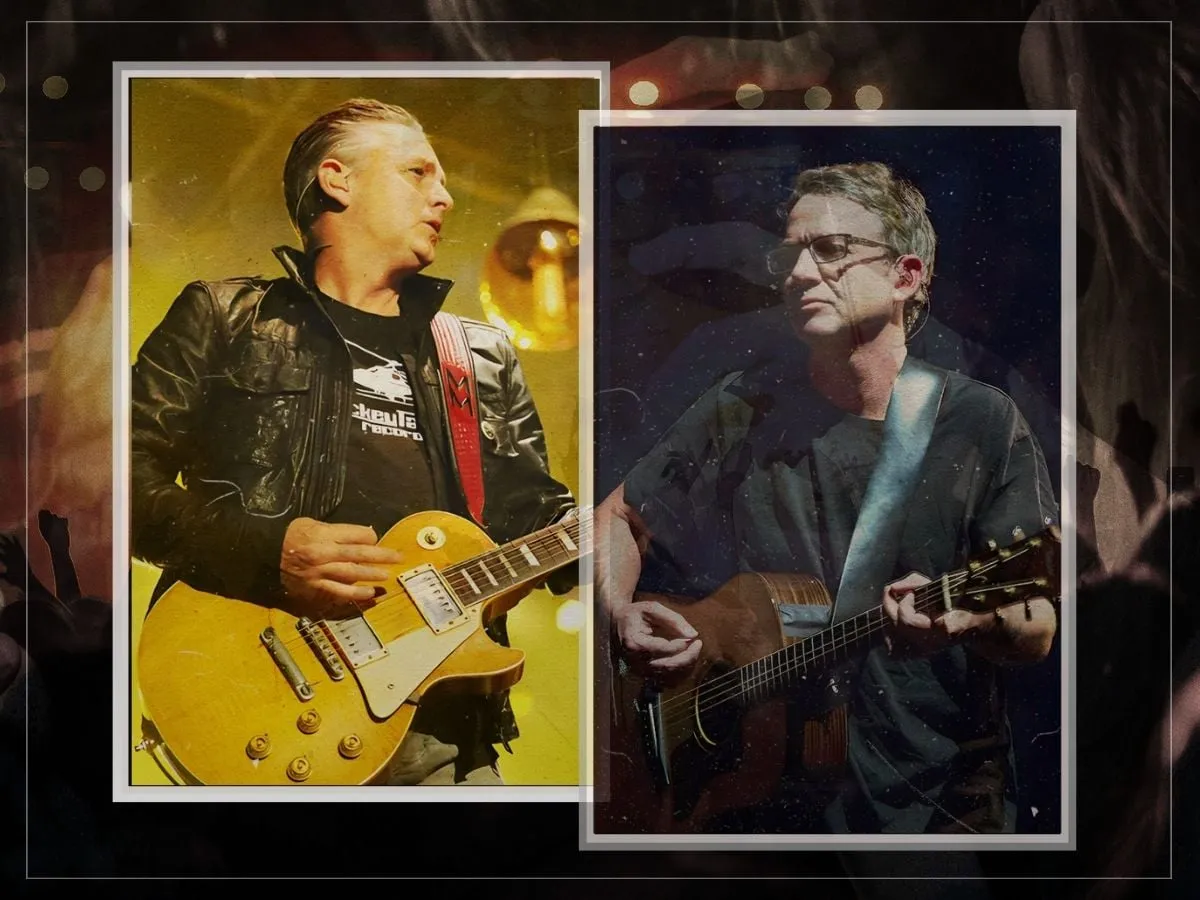
Thirty-five years after the birth of grunge, it’s easy to view its emergence as some dramatic, orchestrated invasion, a carefully planned movement by a unified, flannel-wearing militia emerging from Seattle.
Yet, when you strip away the media hype and the context, the actual connections between these musical forces become far less obvious. Dave Grohl, a latecomer to the scene, perfectly illustrates this disconnect. When he moved across the country to drum for Nirvana in 1991, he was unfamiliar with the major players of the Pacific Northwest.
When he first heard Pearl Jam on the radio, he didn’t immediately recognize them as the latest project of musicians who had already earned their stripes in foundational bands like Green River or Temple of the Dog. Instead of recognizing a grunge sound, Grohl pictured classic rock. He imagined the singer as a husky, bearded, leather-jacketed archetype—something big and tortured.
This misconception was swiftly overturned by the visual landscape of the era. The music videos, particularly for songs like Alive, revealed a stark contrast. They weren’t grizzled seventies rebels; they were a fresh-faced crew of hip, bohemian youths. The imagery featured long hair, stylish attire, and a deliberate rejection of old rock stereotypes, led by the flanneled surfer boy, Eddie Vedder, and his bandmates.
The visual aesthetic—with members like Stone Gossard and Mike McCready adopting styles ranging from SRV disciples to polished rock stars—showed that Pearl Jam was more than just a throwback. Their success lay in blending influences without simply mimicking them.
The real magic behind the band, however, resided not just in their sound or clothes, but in the unique dynamic between the guitarists, Stone Gossard and Mike McCready. Their partnership was a masterclass in balance and trust. While they shared a common goal in crafting music, their instincts remained distinct.
Gossard and McCready understood that their success came from being alike enough to collaborate effectively, yet different enough in their musical instincts not to step on each other’s toes. They were complementary forces, a dynamic that proved crucial to Pearl Jam’s enduring creative strength.
Buy on Amazon
Credit