Stills thought it was out of tune Young thought it was magic
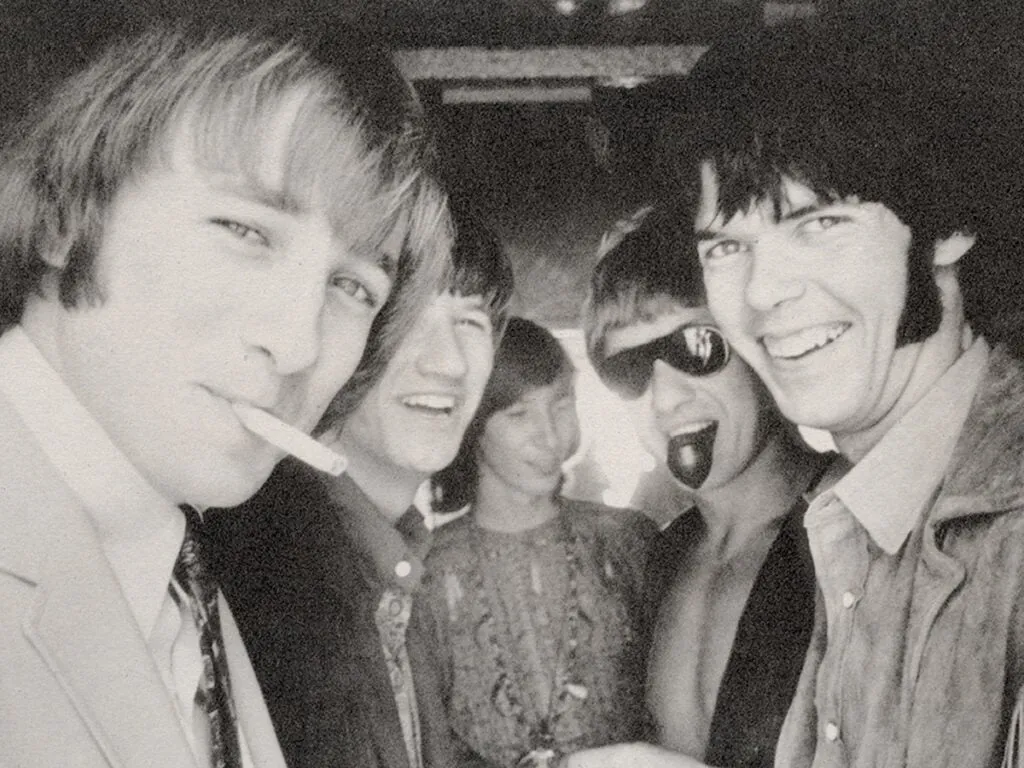
The dance of creation is rarely smooth, especially when you put a group of supremely talented artists in a room to try and capture something pure. For Crosby, Stills, Nash, and Young in the late 1960s, the pressure was immense. They were wrestling with the fundamental question of what a great song actually is, often fighting between the impulse of the artist and the reality of the recording studio.
A producer’s role is critical, and this was acutely felt by a group of young talents who thought they knew best about one classic tune. It often takes another voice in the room, even if it’s occasionally annoying, because the song you hear in your head is rarely the exact song that ends up on the record.
Even titans like John Lennon loved a track such as Strawberry Fields Forever, yet it paled in comparison to his initial, raw vision for the piece. When CSNY finally came together, there was the inherent difficulty of ensuring that their masterpieces weren’t compromised in the pursuit of perfection.
Despite the potential for friction, their early years were defined by incredible synergy. The power trio’s vocal harmonies were noted as setting them apart in California, and even bringing in Neil Young only served to add a powerful edge to their sound.
Looking at the transition between their debut album and the subsequent years, the quality remained high. What shifted was the texture. Neil Young infused their tunes with a rustic feel, bringing a necessary earthiness to tracks like Helpless and eventually the anthem Ohio.
The group was famously self-producing, relying mostly on their inner circle, which allowed them to maintain a strong artistic vision. However, that collective talent sometimes presented a challenge: managing egos and technical demands simultaneously.
While Neil Young often served as the muscle, Stephen Stills proved to be a crucial secret weapon. Having already been instrumental in Buffalo Springfield, his involvement brought a forceful dimension to their sound. When they tackled Joni Mitchell’s masterpiece, Stills’s guitar work gave the song an undeniable, earthy gravitas.
Yet, even within this high-achieving group, the quest for technical perfection led to fascinating conflicts. A prime example of this tension arose during the recording of Woodstock.
Neil Young later reflected on the process, admitting that the original vocal track was somehow more magical than the final version. He recalled that after the session, when the group nitpicked the recording, Stephen Stills made amendments, erasing and replacing verses that were deemed “excruciatingly out of tune.”
Though Stills claimed no regrets about his changes, Young observed that the original vocal was perfectly suited to the song’s emotional core. He admitted that when he heard the original take again, he realized they had screwed up, reflecting that the imperfection added a layer of charm that clean, technically perfect vocals often lack.
This entire episode serves as a perfect microcosm of the beautiful tension that defined CSNY. There was the perfectionist on one side and the artistic craftsman on the other. It was this friction—the clash between technical precision and artistic freedom—that ultimately yielded something richer and more memorable.
Buy on Amazon
Credit
