Steven Tyler sees the new Bob Dylan in 1968
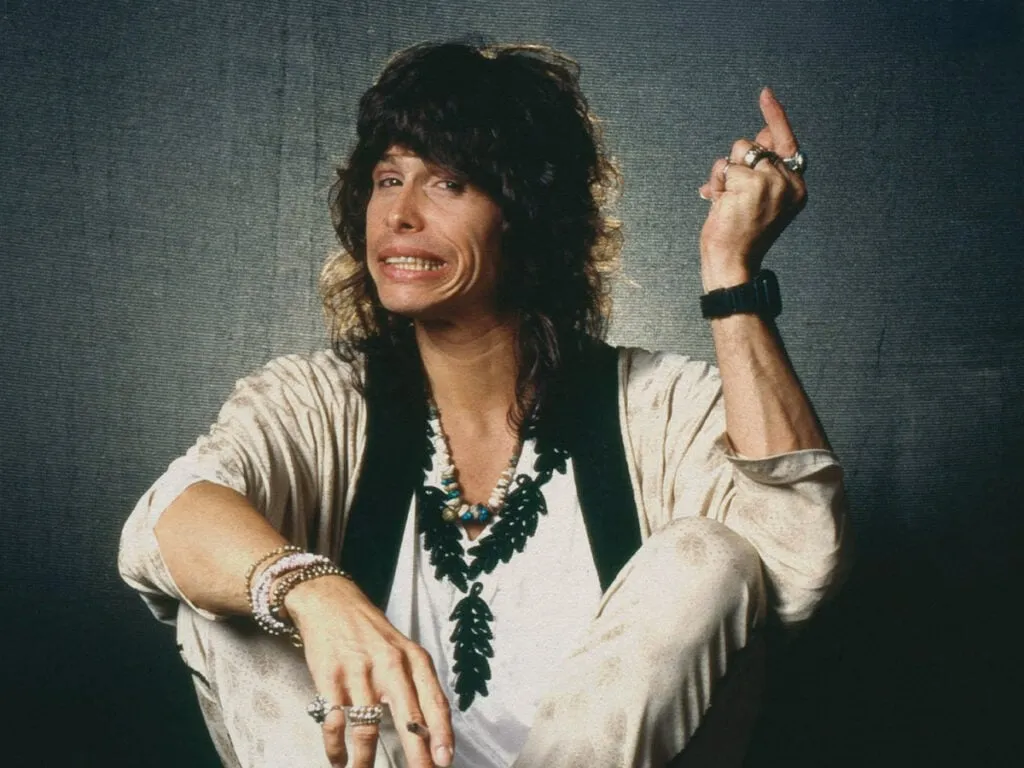
When an artist steps into the spotlight, the experiences they witness—both the triumphs and the letdowns—often become the bedrock of their artistic philosophy. For Steven Tyler, a veteran of rock and roll, this lesson was learned early on, long before he found his footing with Aerosmith.
While live music is deeply subjective, the role of the frontman demands a unique kind of authenticity. Some legends, like Bob Dylan or Freddie Mercury, defined vocal prowess, but for Tyler, understanding what it meant to command a stage was different. He understood instinctively that being a frontman requires a specific kind of energy and presence that transcends mere vocal technique.
From his formative years, Tyler was steeped in the raw, untamed energy of rock and roll. When his peers like Mick Jagger and Robert Plant were defining the stage moves, Tyler was practically the embodiment of that archetype. He possessed the energy, the physical dynamism, and the sheer ability to sing that allowed him to command an audience.
Despite vocal challenges over the years, Tyler maintained a commitment to delivering power. Until his final days onstage, he ensured that when he hit those soaring notes in songs like Dream On or crooned ballads like Angel, he brought that signature gusto to every performance.
This vibrant style stood in contrast to the burgeoning folk scene that dominated the mid-sixties, a world Tyler was only beginning to explore. As the focus shifted toward artists like Donovan, who explored beautiful melodies, Tyler found himself keenly aware of the difference in artistic priorities.
In 1968, Tyler encountered the folk icon at Carnegie Hall, viewing Donovan as the heir to Dylan. Yet, this observation sparked a profound sense of disappointment. Tyler remembered feeling let down by the performance, missing the signature vocal echo he expected and observing a dynamic that felt less connected to the raw power of the music.
This initial feeling of being “bummed” was a powerful catalyst. It fueled Tyler’s later approach to the stage. He realized that while other artists might shy away from the audience, he wanted to be the polar opposite of the sensitive singer-songwriter.
When Tyler eventually stepped into the spotlight, he sought to make up for that initial dissatisfaction. He embraced the theatrics, becoming the charismatic, engaging figure that the crowd craved. He transformed the feeling of being let down into an aggressive, undeniable stage presence.
Tyler understood that he didn’t want to sit passively on a stool; he wanted to grab the audience by the throat. He wanted to be a force, recognizing that authenticity isn’t just about hitting the right notes, but about owning the feeling and becoming your own unforgettable caricature.
Buy on Amazon
Credit
