Springsteen’s regret over his perfect pop song
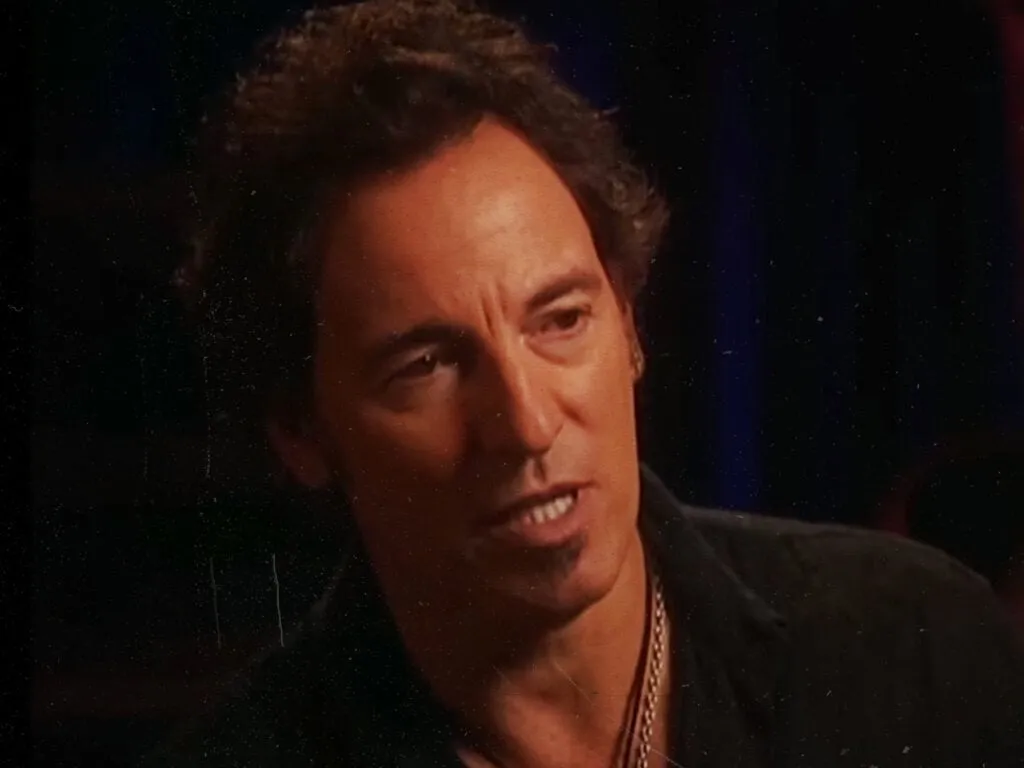
Bruce Springsteen has always operated on a principle that stood in direct opposition to the relentless pursuit of chart domination. He wasn’t interested in chasing pop trends; he was interested in writing the song that felt absolutely perfect in the moment, refusing to neuter his vision just to fit the mold of other pop legends. Yet, as his classics began to climb the charts alongside contemporaries like Michael Jackson and Madonna, it was clear that even the most independent artist cannot remain entirely insulated from the music machine.
Born to Run was already a monumental achievement, but it was the subsequent release of Born in the USA that truly solidified Springsteen’s identity as a hitmaker. While some might argue that this album emerged from a place steeped in the grit of Nebraska, the production gloss applied to tracks like the title song and ‘I’m Goin’ Down’ transformed those raw feelings into undeniable, joyous singalongs that captivated everyone, even his most steadfast critics.
This period marked Springsteen’s moment in the spotlight, but it also revealed a growing desire to transcend the role of the singer-songwriter. Following the emotional weight of his personal life and the impact of events like the 9/11 attacks, he realized that his music needed to do more than just reflect his personal experience; it needed to serve a broader purpose.
As he navigated this shift, he continued to explore themes of vulnerability on records like Devils and Dust, Magic. However, the post-9/11 era sharpened his hunger for commercially viable material. Songs like ‘Radio Nowhere’ had the potential to be massive hits, and Springsteen held an ace in the hole with tracks like ‘Girls in Their Summer Clothes.’
‘Girls in Their Summer Clothes’ was a perfect example of a melody that felt effortlessly timeless. Springsteen felt it captured a specific, perfect image of a late summer moment in an American town—a feeling he believed was inherently pop. He famously argued that this song deserved to be a single, noting that the melody was so perfect it stood apart from the other tracks on the album.
Yet, history often dictates that artistic truth must bend to commercial reality. Despite the argument that the track should have been a lead single, Springsteen ultimately kept it on the album, a decision that proved to be a complex negotiation between artistic integrity and industry expectations. He reflected later that he had missed an opportunity to capitalize on the song’s undeniable appeal, acknowledging that releasing it as a single would have instantly made it a hit.
This internal conflict highlights the ever-present tension faced by artists who strive to maintain creative freedom while engaging with the commercial landscape. While The Boss ethos championed making music for oneself, the pressure to compromise occasionally arises. The willingness to censor a piece of work—choosing to keep a perfect song as an album cut rather than pushing it into the mainstream spotlight—can feel like a step backward in retrospect.
Buy on Amazon
Credit