Spotting AI Music
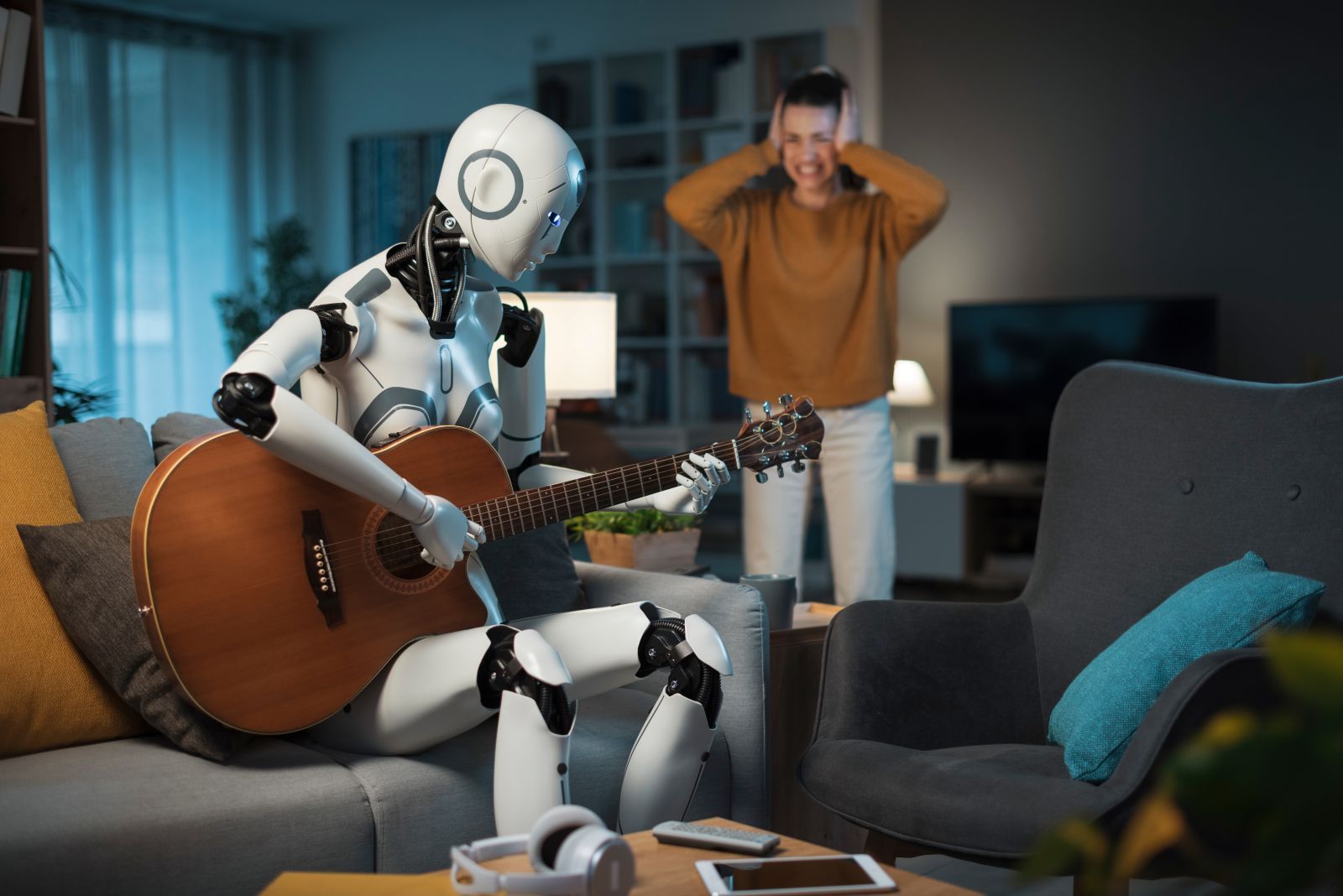
The landscape of artificial intelligence is not a static photograph; it is a constantly shifting, moving target. The tools we use to identify, regulate, and understand AI are always playing catch-up, struggling to keep pace with the dizzying speed of innovation.
This rapid evolution is perhaps nowhere more visible than in the creative sphere. When Suno launched its music generating platform in late 2023, it introduced a new wave of sonic possibilities, forcing listeners and creators alike to confront the blurring line between human creativity and algorithmic generation.
One of the most immediate tells in this new audio reality was the emergence of the so-called Forgetful Bassist wasn’t just a technical glitch; it became a metaphor for the complexity of generative AI. It highlighted the tension between the powerful ability of a machine to synthesize vast amounts of data and the human need for coherent narrative and memory in art.
As AI systems continue to refine their capabilities, the challenges shift from simply generating music to understanding the creative intent embedded within the code. The challenge for the industry is no longer just about creating better sounds, but about establishing new standards for originality, authorship, and transparency in the digital age.
The relationship between the artist and the algorithm is evolving quickly. We are witnessing a transformation where the tools themselves demand a new vocabulary—one that acknowledges the complexity of their output while maintaining our appreciation for the human element that guides the creation.
Buy on Amazon
Credit