Song that attacked critics now streams 375 million times
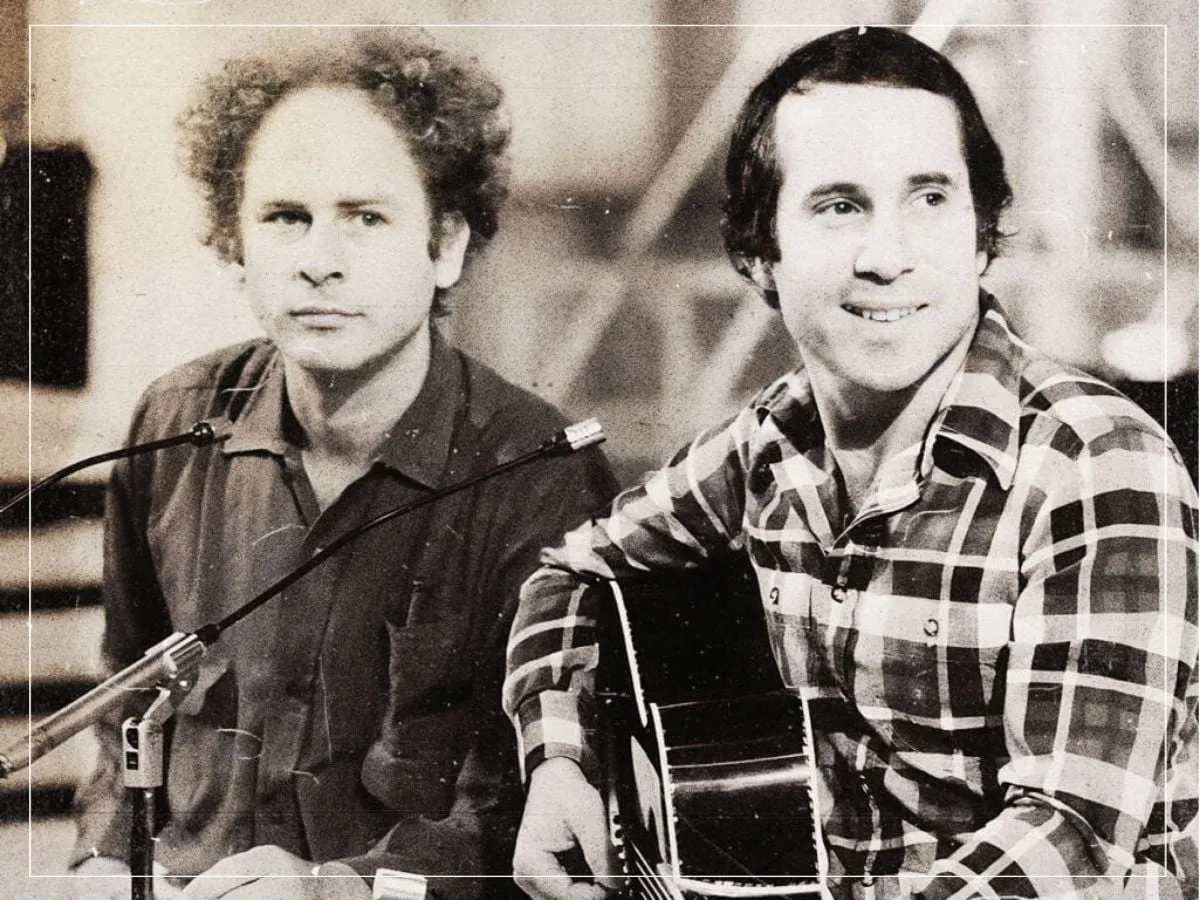
The early days of Paul Simon were filled with the melodic magic of collaboration, particularly with Art Garfunkel, as they carved out a celebrated sound with Simon and Garfunkel. Their music was instantly adored for its poetic lyricism and melodic beauty, establishing them as monumental figures in popular music.
Yet, even amidst widespread adoration, the journey to fame is rarely a smooth path. As with any artist who steps into the public eye, the path can be punctuated by challenges and shifts in perception. The weight of fame often brings a period of derision, testing the resilience of those who have achieved success.
For some, this external scrutiny can feel like an insurmountable obstacle. While many figures retreat from criticism, Paul Simon chose a different route. Instead of letting setbacks define him, he harnessed the experience to fuel his artistic evolution.
When the duo unexpectedly found massive traction following the popularity of tracks like ‘The Sound of Silence’ on college radio, they had no preordained roadmap for what lay ahead. Paul Simon had already embarked on an independent career in England, blissfully unaware of the growing fanfare building around his name in the United States.
As the attention became impossible to ignore, Simon and Garfunkel continued their ascent. Through successive full-length releases, their stature grew, culminating in the release of their final, acclaimed album, Bridge over Troubled Water in 1970, cementing their place as some of the most successful acts on the planet.
However, even when the commercial success was undeniable, Simon sensed a subtle but significant shift in how the world viewed his artistry. Critics, who once offered universal praise, began to express different opinions, prompting a reaction from the artist.
In response to this change in perspective, Simon decided to address the narrative head-on. He penned ‘The Boxer’, a song that served as a powerful declaration of his identity and origin story.
This track, deeply rooted in Simon’s lyrical gifts, offers a masterclass in understatement. Its most immediately recognizable passage features no proper words at all; a simple refrain of repeated sounds that acts as a placeholder, allowing the melody to carry the weight.
This deliberate simplicity grants the detailed verses space to breathe. Listeners are invited to connect with the emotional core without needing to inhabit every specific circumstance of the narrator’s life. The chorus expands the feeling outward, allowing the song to articulate a profound sense of exhaustion and determination.
In an interview with Playboy in 1984, Simon reflected on the song’s genesis. He noted that the track was about facing adversity, acknowledging the initial sting of criticism, and the realization that fame brought an entirely new set of questions about identity.
Simon observed that it took time for people to recognize that they were not simply strange outsiders from England, but two individuals from Queens who had embraced the spirit of rock ‘n’ roll. This realization, he suggested, led to a broader understanding of where their artistic roots lay.
The recording of ‘The Boxer’ was a testament to this emotional force. Working with producers like Roy Halee and drummer Hal Blaine, the explosive percussion captured in the chorus was recorded using the natural reverberation of a space, lending the music an enormous, palpable presence.
Ultimately, Paul Simon responded to the harsh words not by retreating, but by channeling his immense talent into a masterpiece. He proved that even when faced with scrutiny, true artistry allows an artist to stand firm, living up to their own reputation as The Boxer.
Credit