Sinatra covered 5 classics despite hating 60s rock
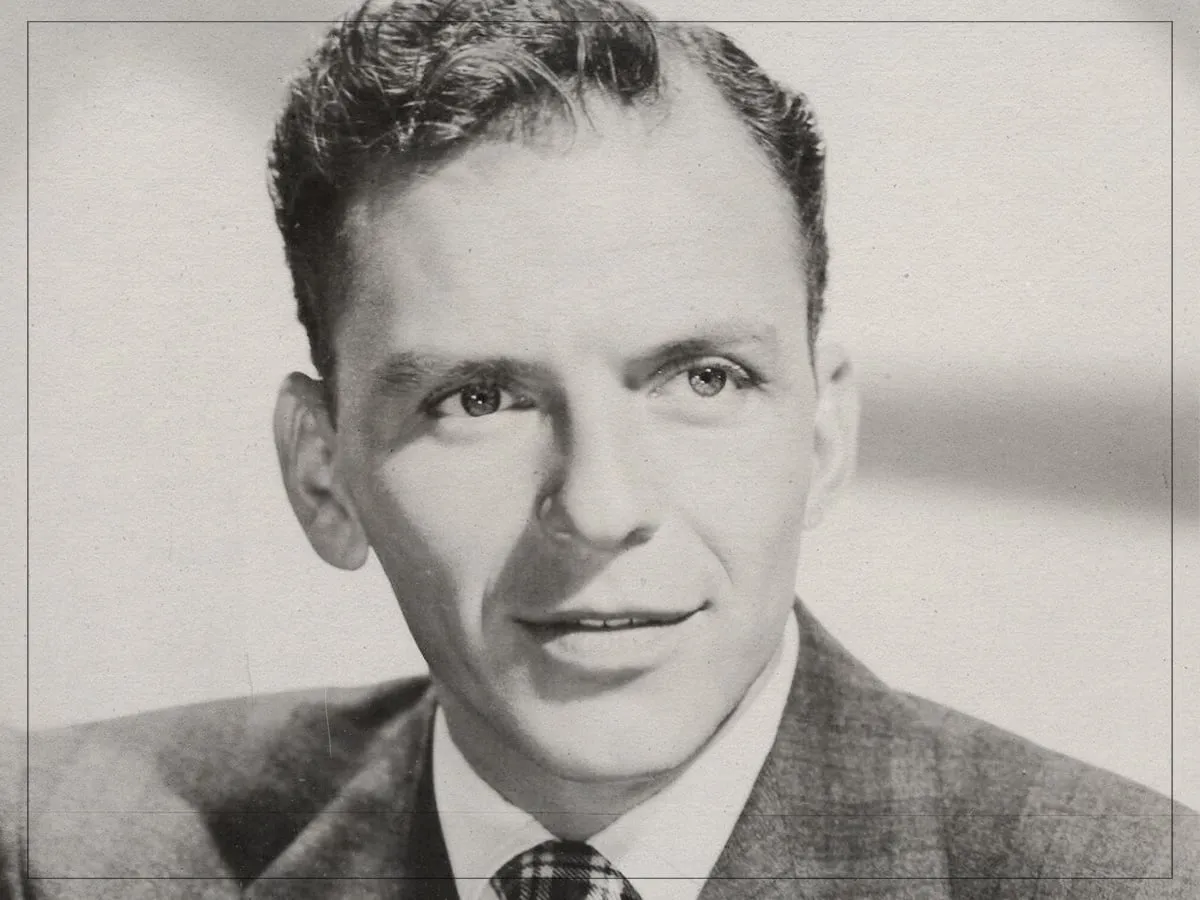
When it comes to the seismic shift in music history, it often feels like a generational collision. In the mid-1950s, the world was exploding with rock and roll, a sound so breakneck it sent many a listener into a spin. Yet, amidst this revolution, figures like Frank Sinatra stood firmly rooted in the classic crooning tradition, offering a fascinating case study in cultural resistance.
Sinatra was not shy about expressing his displeasure with the new wave. In 1957, he delivered a famously caustic assessment, labeling the burgeoning rock genre as “the most brutal, ugly, degenerate, vicious form of expression” he had ever heard. His words, dripping with venom, painted a picture of profound disapproval for the electric guitars, the sex references, and the blazing volume that were defining the new sound.
This outburst, however, wasn’t purely anger. It was fueled by a genuine fear. The speed at which the musical landscape was flipping threatened to erase his status, prompting a desperate need to evolve. Sinatra knew that if he didn’t change with the times, the times would change without him. This fear created a complex tension between his established image and the raw energy of the emerging music.
Despite his verbal disdain, Sinatra was not immune to the tide. He found himself reluctantly dipping his toes into the new current, covering some of the genre’s most iconic tracks. These were not simply obligatory covers; they were gestures that acknowledged the unstoppable force of rock and roll.
Among the rock classics Sinatra engaged with, there are five notable examples that illustrate this fascinating crossroads:
First, there was Castle Rock, recorded in 1951. Though he was not thrilled by the sound, he had to adopt some form of rock and roll into his repertoire to stay relevant. It was an early, reluctant entry into the new world.
Fast forward seventeen years, and Sinatra revisited the genre with a cover of Mrs Robinson by Simon and Garfunkel. This move showed a willingness to embrace a softer, jangling guitar sound, perhaps injecting a touch of suave sophistication into the harder edges of rock.
Later, in 1970, Sinatra tackled a quintessential rock anthem with his take on The Beatles’ classic, Something. He reportedly called it the “greatest love song of the past 50 years,” a moment that highlighted the undeniable power of the new sound, even for the seasoned veteran.
His journey continued with the production of Watertown in 1970, an album produced by Bob Gaudio. This project, while perhaps serving as a muse for Sinatra, proved that he was willing to bend to the new musical authority when the industry demanded it. It was a major step in reinventing his own voice.
Finally, there was his cover of Bang Bang (My Baby Shot Me Down), a track penned by Sonny Bono and performed by Cher. This pairing of the classic crooner and a pop queen in a rock context required immense poise, demonstrating Sinatra’s ability to infuse the song with his own essential charm and ease, even when confronting the raw energy of the pop-rock crossover.
Credit