Seeing the Silence
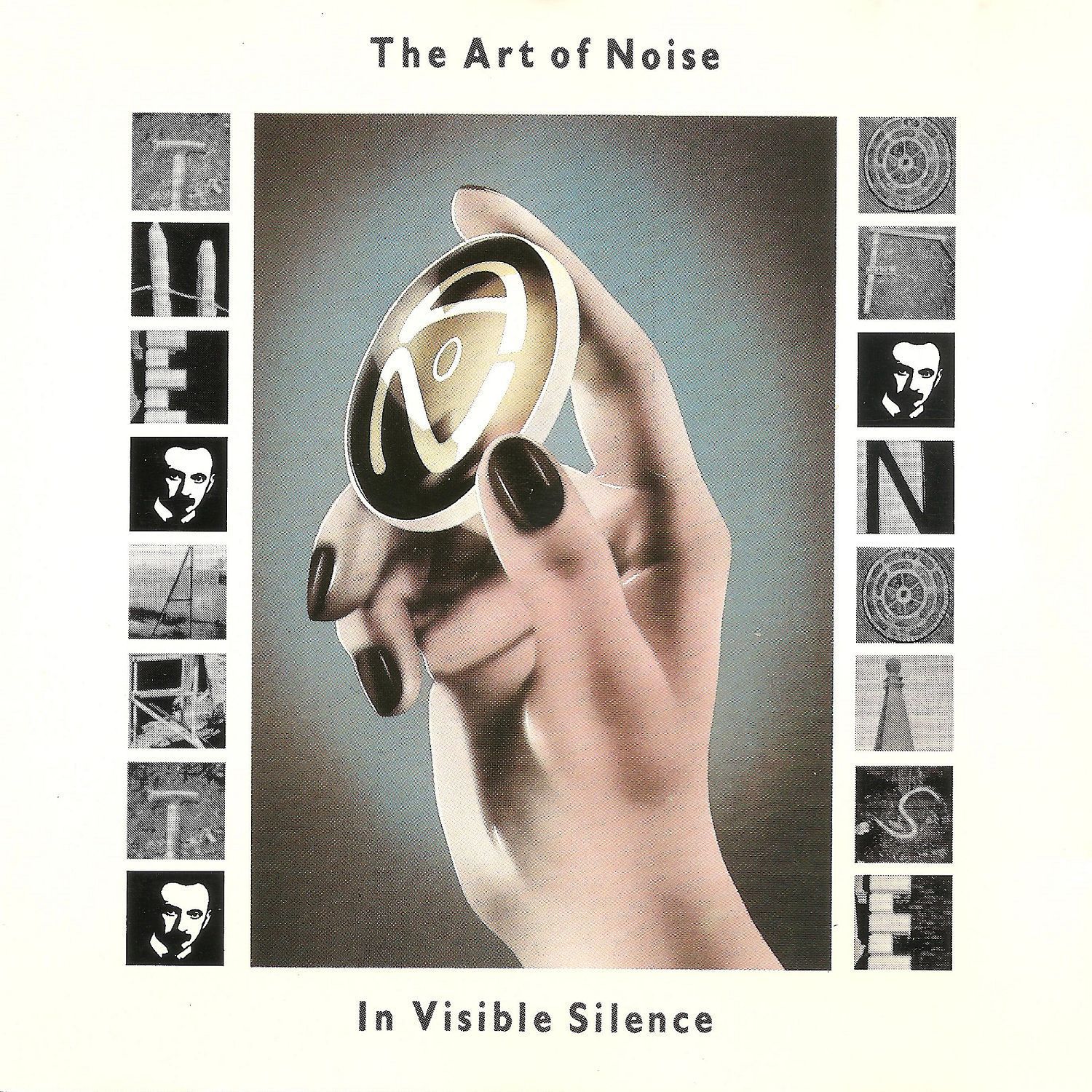
Every Sunday, the world of music gets a fascinating deep dive. The Pitchfork review doesn’t just examine new releases; it steps back into the archives to explore significant albums from the past, ensuring that truly influential sounds are given the time and attention they deserve.
This week, we turn our focus to a record that perfectly encapsulates the energy and disruption of a truly pivotal era. It’s not just an album; it’s a historical document detailing how a specific group of artists leveraged high-tech experimentation to redefine the boundaries of pop, dance, and hip-hop.
At the heart of this retrospective is the second album released by this mischievous collective. From the moment the music dropped, it wasn’t simply entertainment; it was a calculated act of provocation. These provocateurs used technology as a playground, weaving intricate sonic hijinks that immediately signaled a seismic shift in the landscape of contemporary music.
The sound emerging from these artists was undeniably forward-thinking. It pushed established genres to new extremes, blurring the lines between dance rhythms and hip-hop swagger with cutting-edge production techniques. This wasn’t evolution; it was revolution, delivered through a lens of playful, high-tech ingenuity.
This particular release stands as a critical marker, foreshadowing the massive cultural changes that would follow. It took established musical forms and injected them with an unpredictable, futuristic vitality, effectively anticipating the massive cultural transformation that would sweep through popular music in the years to come.
Buy on Amazon
Credit
