Saving Private Ryan and The Thin Red Line: The actor who refused both
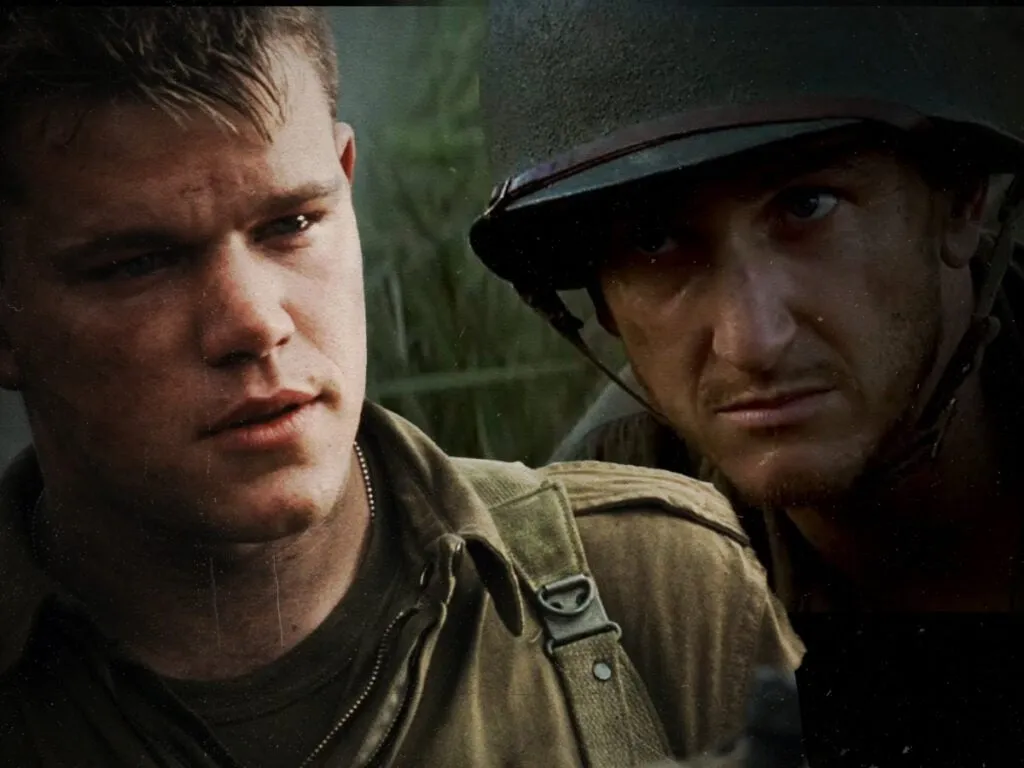
In 1998, cinema witnessed a fascinating, if somewhat coincidental, convergence: the release of two deeply impactful World War II dramas, Saving Private Ryan by Steven Spielberg and The Thin Red Line by Terrence Malick. Often dubbed a “twin films” phenomenon, these masterpieces weren’t just contemporaries; they were two epic narratives fighting for dominance in the cultural landscape.
Instead of a friendly rivalry over box office revenue, the competition quickly escalated into a high-stakes battle for the industry’s most coveted accolades. The fight wasn’t about ticket sales alone, but about prestige—a contest of cinematic gravitas.
When it came to pure commercial power, one film delivered a staggering victory. Steven Spielberg’s Saving Private Ryan soared, grossing over $480 million and becoming the highest-grossing film ever made about the conflict. It dwarfed its counterpart, establishing itself as the undeniable heavyweight champion in terms of financial success.
At the Academy Awards, the results solidified the disparity. While both films received nominations for major categories, including ‘Best Picture,’ ‘Best Director,’ and various technical awards, the spoils went overwhelmingly to the former. Saving Private Ryan swept the awards, clinching five trophies, including the directorial gong for Spielberg. The Thin Red Line, despite its artistic merit, left the ceremony largely without major recognition.
The dynamic extended into the casting arena, where the pressure of the rivalry pushed talented actors into difficult choices. Several actors refused roles in the more commercially dominant picture, opting instead for other projects.
The drama surrounding the casting of The Thin Red Line was particularly poignant. Edward Norton, slated to play the titular character, faced a personal crisis just as filming was set to begin in Australia. A sudden family tragedy forced him to withdraw from the commitment, choosing to prioritize his family over the demanding schedule. This shift led to a change in cast, with Jim Caviezel stepping into the role.
While the financial and award battle had a clear winner, the impact of The Thin Red Line remains undeniable. It stands as a profound exploration of human experience and the psychological cost of war, reminding audiences that cinematic greatness isn’t always measured by the most lucrative numbers.
Ultimately, the war between the two films serves as a compelling reminder that while commercial success can define a film’s immediate legacy, true artistic endurance often resides in the quieter, more indelible truths that resonate long after the applause fades.
Buy on Amazon
Credit