Rush’s album almost destroyed them
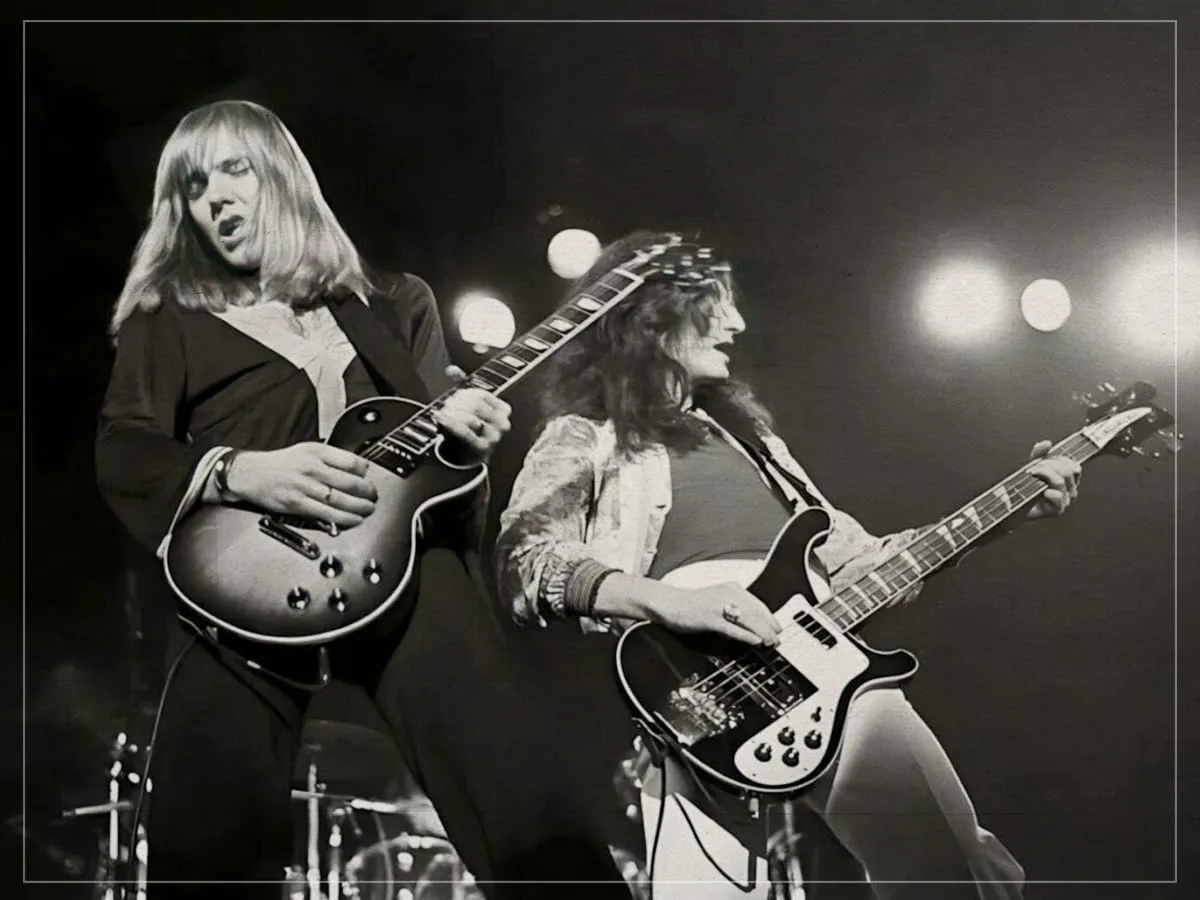
In the world of music, there are bands that simply exist, and then there are those that carve out an undeniable, almost mythological following. Rush is firmly in the latter category—a band that didn’t just change the music, they redefined the experience of being a dedicated fan. They were the definition of a cult act, defined less by immediate mainstream acceptance and more by the sheer, stubborn dedication of their devoted audience.
Cult following isn’t something you cultivate overnight; it’s built over time, often through slow-burning masterpieces that require patience. Rush’s journey demonstrates this perfectly. Their early records, for instance, were often slow burners, allowing the art to develop organically rather than rush toward commercial demands. They weren’t interested in simply chasing radio hits; they were chasing musical depth.
As the years progressed through the 1970s and 1980s, the band continually experimented with their sound. This evolution sometimes caused friction. While some fans embraced the changes, others felt the journey was too erratic. There were moments when the experimental nature of their sound—incorporating elements like keyboards and sprawling, narrative songs—caused some observers to question their direction.
Some listeners struggled with the shift in style, especially as the band moved toward more complex arrangements. Early on, the impact of records like Fly By Night sparked debate, but it was the subsequent move toward albums like Caress of Steel that truly tested their resolve. This period marked a significant leap, attempting to push boundaries, but the reaction from the wider music world was often one of resistance.
When Rush pushed for more intricate musical narratives, delving into themes and longer structures, the response was mixed. While their dedicated fanbase rallied fiercely, external critics often felt that the band had lost their way, leading to some dramatic public fallout. The resulting tours and critical dismissals highlighted the tension between artistic vision and commercial expectation.
This dynamic is a classic story: a group striving to achieve artistic perfection while facing the harsh realities of the business side of music. They were growing, refining their craft, and demanding respect for their vision. Yet, in the pursuit of that sound, they sometimes courted controversy.
Ultimately, the story of Rush is one of enduring legacy. Despite the inevitable friction and the dramatic shifts in reception, their commitment to their unique, expansive sound remains a powerful testament to the fact that sometimes, the most profound artistic statements are those that defy immediate consensus. They laid down a legacy that continues to captivate fans long after the initial noise has faded.
Buy on Amazon
Credit
