Rush dressed for a prog-rock epic and faced tourmate embarrassment
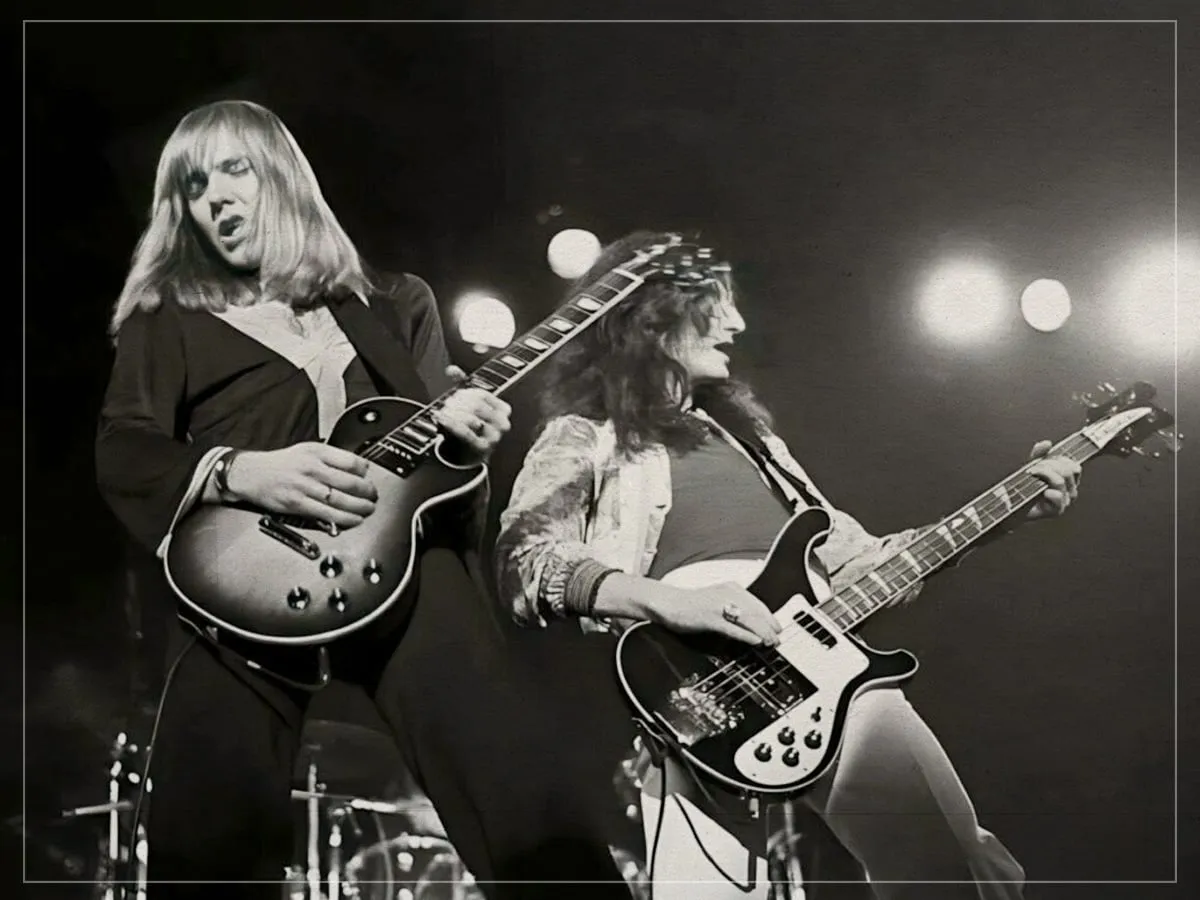
The story of Rush is less about quiet musical perfection and more about a glorious, loud, and slightly ridiculous quest for the epic. Long before they became a massive cultural touchstone, the band operated as intellectual architects, determined to expand the boundaries of rock music with songs that demanded more than just a simple listen—they demanded an experience.
In the late 1970s, as the progressive rock scene flourished, the band pushed the envelope by embracing massive, sprawling compositions. This desire for scale often brought them into conflict with the industry, as their extended works, like Caress of Steel, proved too ambitious for mainstream tastes. Yet, instead of yielding, Rush carved out their own lane, pursuing grand concepts that would define their era.
Drummer Neil Peart, in particular, was the engine behind this creative revolution. He sought to inject lofty, philosophical concepts into the instrumental explorations, turning their sound into a vehicle for epic narratives. His artistic journey often began with literary inspiration, drawing from sources like Orson Welles’s Citizen Kane and Samuel Taylor Coleridge’s Kubla Khan, using the imagery of dreams and perilous journeys to fuel their compositions.
This blend of fantasy and sound culminated in masterpieces like Xanadu. This epic track wasn’t just music; it was a complete cinematic experience, running for eleven minutes and detailing a perilous journey that spirals into madness. The band managed to layer incredible musicianship beneath this theatrical veneer, ensuring that the complexity of the arrangement was as compelling as the subject matter.
The spectacle was not just auditory; it was visual and highly stylized. To match the quasi-Renaissance atmosphere of their work, Rush embraced a flamboyant sense of fashion, experimenting with kimonos and theatrical attire. While their fans embraced the fantastical lyrics, the band often found themselves the subject of some lighthearted teasing during their tours.
Even in their most fantastical moments, the musicianship remained rigorously grounded. During the recording of Xanadu, the sheer skill displayed was staggering. The track was recorded in a single take, demonstrating the band’s ability to manage complex changes while incorporating natural sounds—even incorporating the cries of birds recorded outside the studio—into the soundscape.
This willingness to combine meticulous preparation with whimsical freedom defined their appeal. While critics may have dismissed their work as overly intellectual, the sheer, undeniable entertainment value ensured that their experimental vision resonated deeply with audiences.
As they continued their creative trajectory, Rush never stopped pushing for grander concepts. Their subsequent album, Hemispheres, demonstrated an even bolder ambition, with tracks like La Villa Strangiato pushing the limits of conceptual storytelling. Despite the inevitable external scrutiny and jokes, the band remained committed to their unique, sprawling vision, proving that sometimes the most spectacular art is simply the one you dare to create.
Buy on Amazon
Credit