Rod Stewart’s rage fueled the making of Marillion
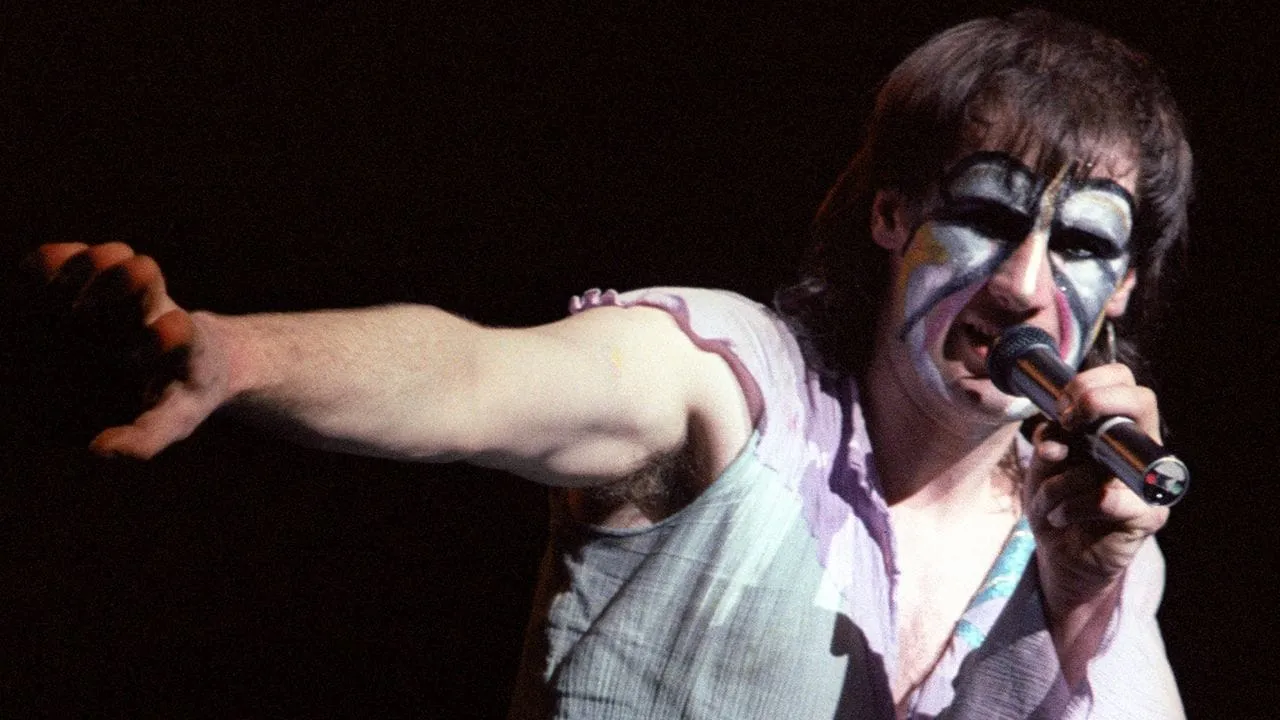
The journey from a sensitive kid listening to records in an attic room to fronting one of the UK’s most enduring progressive rock bands is a tale steeped in ambition, self-doubt, and the relentless pursuit of sound. For Fish, vocalist of Marillion, this path was anything but easy, marked by awkward beginnings and a determined fight to find an authentic voice.
Early musical immersion began innocently enough, with singing along to Hey Jude in primary school. However, the true passion ignited in high school, where progressive rock—bands like Emerson Lake & Palmer, Genesis, and Pink Floyd—captured his imagination. Though he found himself drawn to the melodies, the technical side proved daunting. Attempting guitar and recorder led to frustration and tears, ultimately pushing him toward an accordion—a decision that seemed to firmly seal his fate as a non-musician.
Yet, the desire to sing persisted. Seeing the confident stage presence of artists like Rod Stewart and The Faces sparked a new ambition. This desire transformed into a dream, leading him to practice singing in the privacy of his bedroom, singing along to the mirror.
The first foray onto the stage came at age twenty-one, during a gig at the Golden Lion in Galashiels in 1980, where he covered classics like Steely Dan and Aretha Franklin. It was during this experience that he met Diz Minnitt, a bassist, and they began to try and form a band in the Scottish borders. This period was pivotal, leading to a chance encounter with the band Silmarillion, who were looking for a new bassist and singer.
This provided the catalyst for Marillion. Fish envisioned a sound rooted in the progressive rock lineage, believing that the band could channel the epic scope of groups like Camel while injecting his own lyrical ideas. He sought to write the grand, sweeping narratives that progressive rock bands were known for, imagining a project worthy of the scope of The Who.
The genesis of the band’s sound is often traced back to the creation of the debut single, Market Square Heroes, which featured the epic seventeen-minute track Grendel as a B-side. This piece was a conscious attempt to write a massive song, echoing the epic scale of Supper’s Ready, inspired by the themes of Grendel. The collaboration resulted in a track that swung powerfully into that soaring, progressive mold.
While the initial reception was mixed—some critics branded Marillion a lesser version of Genesis—the true power of the group was undeniable. As the years passed, the focus shifted from technical perfection to emotional resonance. While some listeners noted vocal shifts in later albums like Script For A Jester’s Tear, the core message emerged: a raw, aspirational look at youth, naivety, and the desire for self-discovery.
Marillion, through their evolving work, ultimately carved out a unique space. Albums like Misplaced Childhood served as a landmark, marking the point where the band found its true identity, demonstrating that they could harness their personal struggles and artistic aspirations into something monumental.
Buy on Amazon
Credit