Richard Dreyfuss’s memory loss quote from the 1981 film
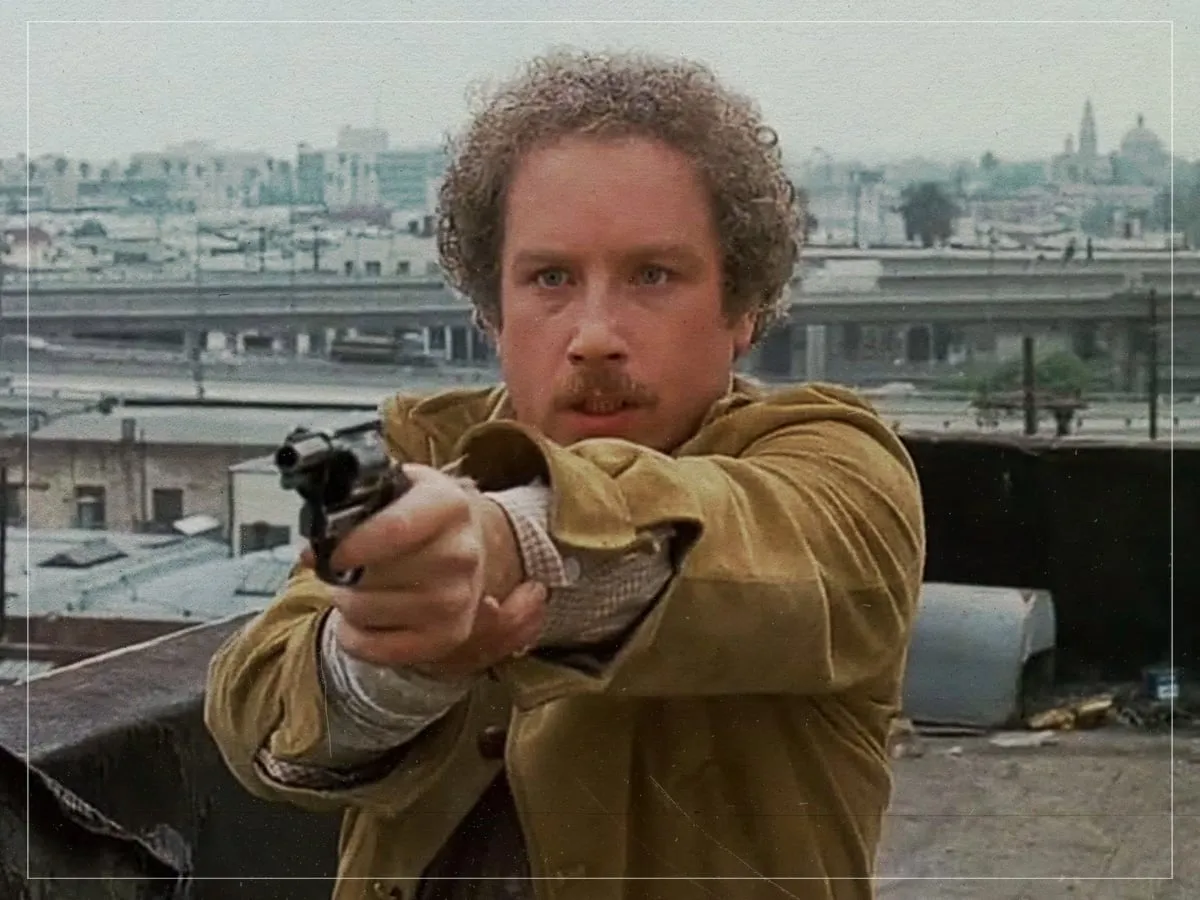
Hollywood, with its dazzling lights and promised glittering highs, often presents a stark contrast to the reality behind the velvet ropes. Beneath the surface of cinematic glamour lies a complex environment that demands incredible talent, yet frequently delivers some of the deepest human struggles.
The intense pressure of the film industry—the fast-paced shoots, tight budgets, and relentless schedules—can create an environment ripe for stress. When you are constantly under the public microscope, the lines between professional demands and personal well-being can easily blur.
Unfortunately, this high-pressure atmosphere has long fostered an unfortunate trend: substance abuse is alarmingly widespread, even among those who define the industry. The ready availability of drugs and alcohol seems to align with a culture that often prioritizes spectacle over sustainability.
The world of actors and filmmakers is rife with dramatic feuds and personality clashes, creating fertile ground for coping mechanisms. For some, the temptation to self-medicate through substances becomes an unwelcome, albeit temporary, escape from the relentless demands of stardom.
The consequences of this lifestyle are often profound. While some addicts manage to function, the toll on memory and clarity can be devastating. A striking example of this reality was seen in the case of actor Richard Dreyfuss.
Dreyfuss, known for his compelling performances, continued his work despite his struggle with addiction. However, his experience with fame and the pressures of the industry took a particularly severe toll. He recounted his time shooting the 1981 film Whose Life Is It Anyway?, revealing a memory loss that brought the reality of his situation into sharp focus.
When appearing at the Bermuda International Film Festival, Dreyfuss admitted that he was heavily involved with substances during the filming. He confessed that the experience was so overwhelming that he cannot recall a single detail about making the movie. “I was loaded all the time,” he shared, admitting that the intensity of the experience had created a kind of black hole where recollection simply couldn’t exist.
The irony is palpable. Dreyfuss had made his first screen appearance in the classic tale of showbiz drug addiction, Valley of the Dolls. Yet, a decade later, following movies like Jaws and The Goodbye Girl, the fame itself seemed to trigger a desperate need for self-medication with cocaine and alcohol.
The film Whose Life Is It Anyway? itself explored weighty themes, featuring Dreyfuss playing a man fighting for his autonomy. Despite the emotional depth of the story, Dreyfuss had no recollection of participating in the production. He called the experience something he was ashamed of, finding the subsequent realization that he had passed out and crashed his car in 1982—an event that spurred him to finally seek necessary help—even more shameful.
Following this experience, Dreyfuss took a necessary three-year break for rehabilitation. When he eventually returned to acting, he was back on a healthier track, demonstrating resilience. He continued to pursue his craft, earning another nomination for Mr Holland’s Opus in 1996, proving that even from the depths of struggle, the pursuit of art can lead to redemption.
Credit