Red Hot Chili Peppers revealed in stunning new book
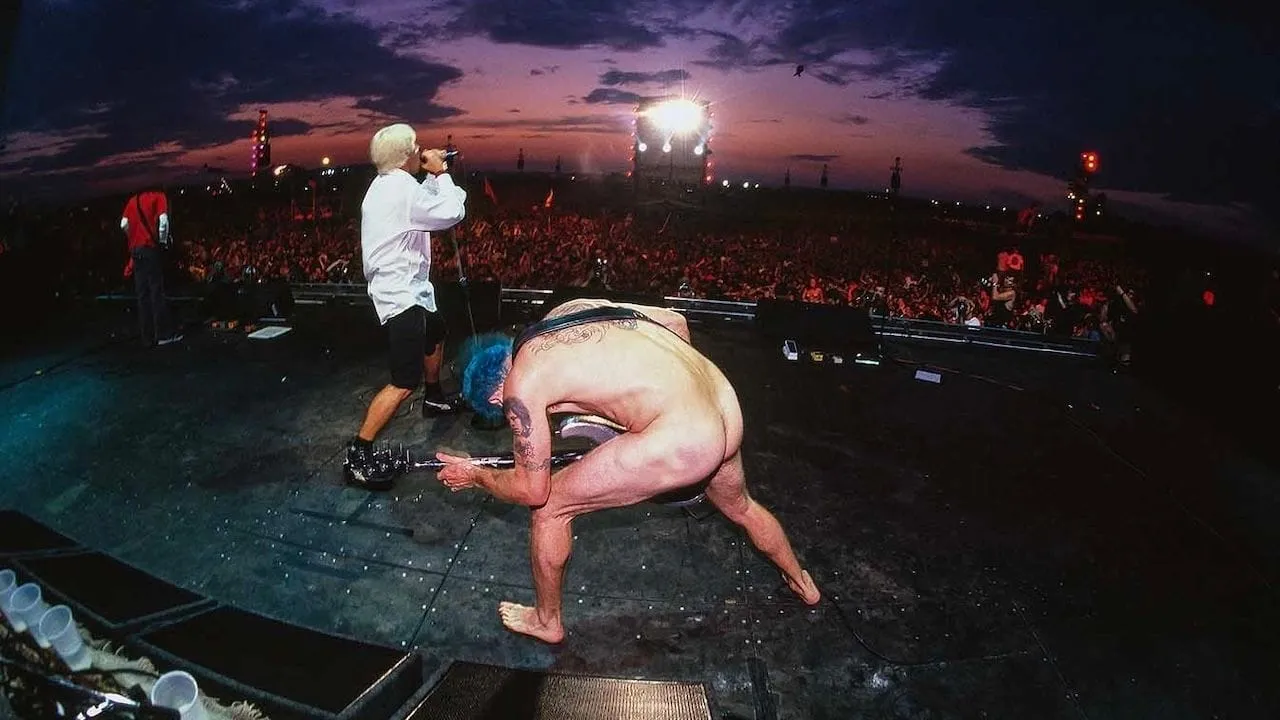
The world of the Red Hot Chili Peppers is finally getting an unseen look, thanks to a revealing new book from leading British photographer Tony Woolliscroft. For over twenty-five years, Woolliscroft has enjoyed unparalleled behind-the-scenes access, capturing moments that go far beyond typical concert photography.
Published by Cassell, Red Hot Chili Peppers: 25 Years Unseen on Tour is a treasure trove, collating more than 200 images from Woolliscroft’s archive. These photographs offer much more than just stunning visual documentation; they are a collection of personal stories, candid moments, and never-before-heard anecdotes that reveal the band in ways the public has rarely witnessed.
One particularly vivid memory from this exclusive collection takes us back to the chaos of the Woodstock ’99 music festival. Woolliscroft recalls the intense backstage environment as the band arrived mid-afternoon and were immediately whisked away for interviews with magazines and MTV.
After the interviews, the band retreated to their dressing room. While Anthony Kiedis began working out their set list for the evening show, Flea decided to take a quick nap. However, the quiet was soon interrupted. A visitor arrived—Jimi Hendrix’s sister popped in, seeking a special favour: if the band could finish the set with the iconic song Fire, after which a hologram of Hendrix would play to round off the weekend.
Although the band had performed Fire in the 1980s and recorded it twice, they hadn’t played it in nearly eight years. After three quick rehearsals in the practice room, the song was duly added to the setlist for that night. The band then went through their customary rituals of yoga stretches and vocal exercises before taking the stage under a glorious red sky sunset.
The performance itself was a spectacle, with Flea making the bold decision to play the entire show completely naked—a risky move considering the live broadcast and potential legal implications. As the set wound down, however, the external atmosphere was boiling over. Disturbances were starting to break out at the back of the crowd, fueled by protests against the organizers’ exorbitant pricing of basic food and water.
During the final song, ironic in a way, the cover of Hendrix’s Fire was at the center of the unrest. Various catering and vending carts were set alight by some crowd members protesting the high costs. The crew and photographer witnessed a full-scale riot in progress, which kept them from leaving the festival grounds until well into the early hours of the morning when order was finally restored.
The next day’s newspapers reported that the Chili Peppers had played Fire as the crowd rioted, unaware of the band’s unique decision to perform the song. This book captures not just the music and the spectacle, but the raw, unfiltered human experience behind the legend.
Credit